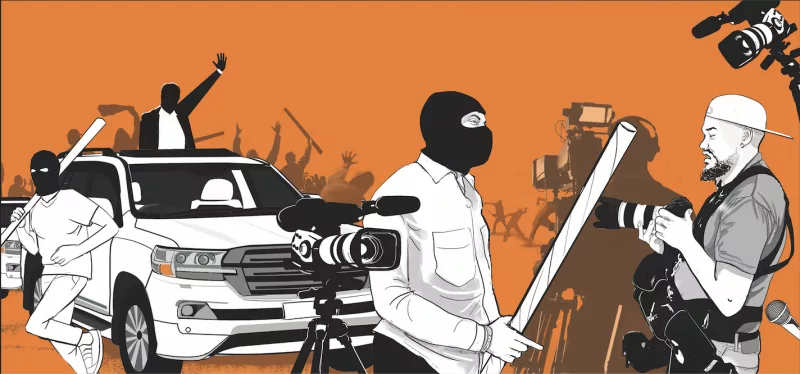
Rented thugs are wreaking mayhem across Kenya. Better known as goons, they have done it before and will do it again. The chaos they cause and the foreboding they foment are par for Kenya’s political course and must be owned by politicians, their parties and agents of the state.
Goon gangs are recruited, paid and operated to harm and ruin individuals, causes andproperty, by politicians, their parties and agents of the state. Violence against andintimidation of opponents are a goon’s stock in trade in Kenya’s supermarket of politicalthuggery.
These are enforced by pangas, truncheons, whips (nyahunyo), daggers (njora) andiron bars. These are offensive weapons, and, therefore, illegal. Indeed, deployment ofgoons is a poll-rigging strategy. Terrorised and terrified people will stay away from pollingbooths.
But, how did we get here? By forgetting that investment in goons in the presentguarantees their multiplication and sophistication, their daring and ubiquity in the future. So, inKanu’s heyday, some of its youth wingers doubled as violent enforcers of party and personaledicts.
As Kenya entered political pluralism, the Ford-allied Baghdad Boys were linked to violence. In 1992, when Mwai Kibaki tried tocampaign in Kakamega, young men seized police spikes at a roadblock and hurledthem at his vehicles. They were Youth for Kanu ’92-allied hoodlums.
In 1995, in a Thika stadium, men protecting Raila Odinga assaulted his chief rival for thecontrol of Ford, Kijana Wamalwa. One of these men wielded an axe. They weremerchants of violence. Ditto the men who clobbered Dr Timothy Njoya, the Presbyterianminister and rights champion, outside Parliament in 1999.
Police officers watched nonchalantly as Njoya cried for help, exemplifying state supportfor sponsored thuggery against campaigners for political change. Jeshi la Mzee (the OldMan’s Army), which was associated with a Nairobi Kanu stalwart, was a private militia.
Its assignment was to intimidate Kanu’s opponents in Nairobi’s Westlands enclave, thepolitical home of the said stalwart. Remember the men in black (suits). They upendedpolling booths set up in a Nairobi stadium for the national election of ODM in 2014.
They were unleashed to stop the internal poll by extra-legal means. This ensured twooutcomes. One, Hassan Joho and Ababu Namwamba did not become elected deputyparty leader and secretary-general, respectively, at the expense of Raila’s favourites.Two, Raila handpicked his party’s national office.
In 2023, goons carted away ¾on their shoulders and chests, in their cars and trucks ¾ terrifiedpedigreed sheep. They set buildings on fire and purported to parcel out among themselves part ofa private ranch on the outskirts of Nairobi. There was not a single policeman in sight as thejollity of the goons announced their pleasure in the mayhem they wrought.
Rewind. In 1992, just after six o’clock, a shout rang out. Ford! It was followed by achorus of Ford! Ford! And then the sound of breaking glass. A ground-floor shop inNation House had been broken into and men were carting away merchandise.They were hired thugs. Their strategy was meant to ensure their actions would becovered. They targeted a livelihood. They acted soon after the rally that announcedFord’s arrival as a legal alternative to Kanu. They branded themselves supporters ofFord.
This brings to mind the violence that erupted in the then Rift Valley and Western provinces from 1990. Ministers, officials of the provincial administration and Kanu apparatchiks made it clear that communities supporting political pluralism were not welcome in the Rift Valley.
That was a seditious statement. Tellingly, neither the goons who perpetrated theviolence nor officials who sanctioned it, were ever held to account. Little wonder goonsfeatured prominently in the 2007-08 post-election violence. Ditto Homa Bay in August.
Those who recruit hooligans, rent hoodlums and arm them are criminals. Your work iscut out, Inspector General of Police. Are you cut out for it?
The writer is a veteran journalist