The National Land Commission has requested an additional Sh120 million to settle outstanding compensation claims for land acquired for the Lower Nzoia Irrigation Project in Siaya and Busia counties.
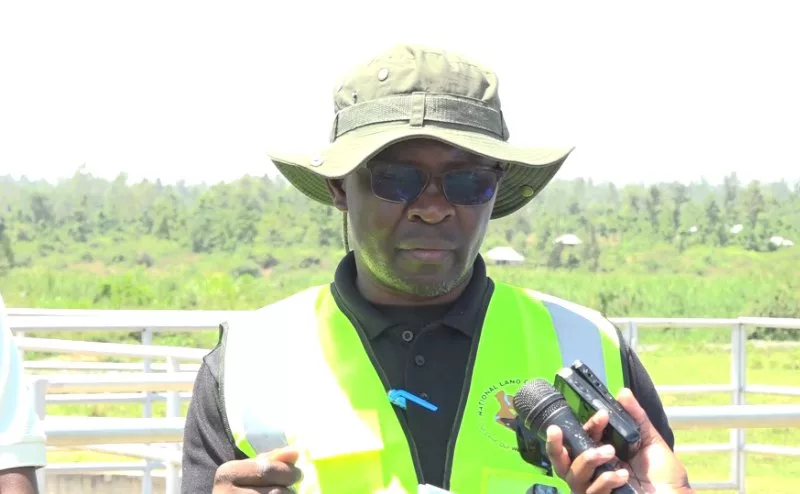
NLC chief executive officer Kabale Arero said the money would help clear pending payments to project-affected persons (PAPs), with the commission targeting completion of the exercise by the end of next week for cases that have already been processed.
She said about Sh1.5 billion had so far been paid to landowners, while about Sh70 million was in the process of being disbursed.
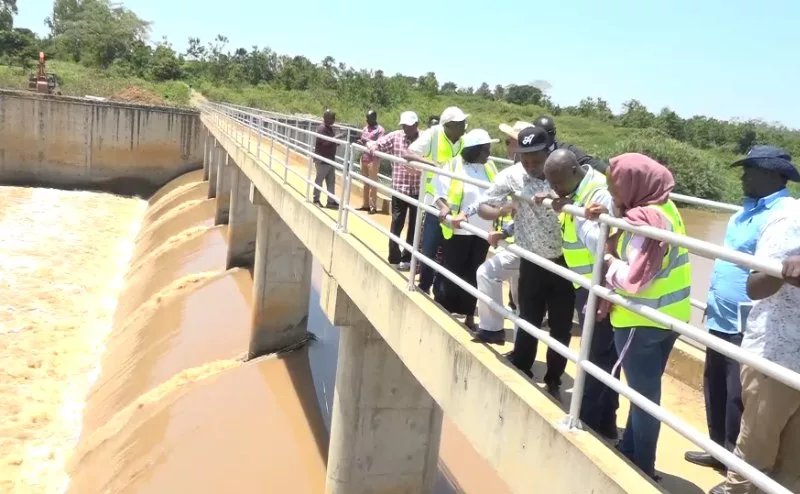
“The progress has been good. The commission had requested about Sh108 million following a joint reconciliation exercise, in addition to Sh17.6 million contained in an earlier payment schedule covering 46 beneficiaries,” Arero said during a joint inspection of infrastructure under the project.
She said the commission was undertaking due diligence to ensure genuine beneficiaries were paid while maintaining accountability in the compensation process.
The Lower Nzoia Irrigation Project has required the acquisition of about 560 acres of land spread across 14 blocks.
According to NLC principal valuer Peter Kaunda, the commission has identified about 5,600 affected landowners, commonly referred to as PAPs, across the project area.
Of these, about 4,500 have been paid, representing about 80 per cent of the affected persons.
In monetary terms, the commission has paid nearly 95 per cent of the estimated Sh1.6 billion compensation bill.
Kaunda said the land acquisition process began with the first gazettement in December 2017 and had taken nearly nine years because of the size and changing requirements of the project.
He said the project was initially divided into 14 blocks to make the acquisition and compensation process more manageable, with the exercise progressing from Block One before moving progressively towards Block 14.
“We have 33 Kenya Gazette notices from 2017 to date and some are still coming,” Kaunda said.
He identified succession issues as one of the biggest obstacles to completing compensation, noting that nearly 90 per cent of the registered landowners in some sections were deceased.
The commission worked with a consultant to assist families with succession processes, helping to accelerate payments.
Kaunda said most grievances were also resolved at the grassroots level through committees established to handle disputes.
Only three cases out of the thousands of affected persons proceeded to court, he said.
Two involved family disputes, while another case filed against the commission was successfully defended.
However, changes to the project design created another complication, with some areas initially left out later becoming necessary for construction.
Kaunda cited four cases in Blocks Four, Six, Eight and 11 where changes to the original design affected land requirements.
He said such changes created delays because residents had already been informed that their land would or would not be affected.
Another outstanding case involves Block One chairman James Mumbo, whose land was acquired for the project but has not yet been paid for because of a charge registered against his title.
Kaunda said Mumbo had obtained a loan from an institution that had since become defunct, leaving the charge unresolved.
As a result, the commission cannot release the compensation until the legal issue surrounding the title is settled.
Another landowner in the area is yet to receive compensation after reportedly moving to the UK in 1989.
Kaunda said missing landowners, succession disputes and title-related complications continued to affect the final phase of compensation.
He also cited challenges arising from project redesigns and additional land requirements after construction had already begun.
The official said some claims were difficult to verify where properties had been cleared before valuation teams arrived, leaving landowners to provide information about houses, trees and other developments that had existed on the land.
State department of water and sanitation representative Samson Musyoka said the partnership between the ministry and NLC had been critical in allowing construction to continue.
He said the government could not execute the project effectively without first compensating people whose land had been acquired.
Musyoka said compensation had covered land required for the main canal as well as sections of the project dealing with flood management in Busia.
On the Busia side, he said the government had completed a 34-kilometre dyke improvement programme, covering 17 kilometres on each side.
The intervention, he said, had significantly reduced flooding in Budalang'i and protected an estimated 60,000 people from displacement and other effects of floods.
Musyoka said the flood management infrastructure had been completed and handed over to the national authorities responsible for its operation.
He said the absence of major flooding incidents in the area in recent years demonstrated the impact of the intervention.