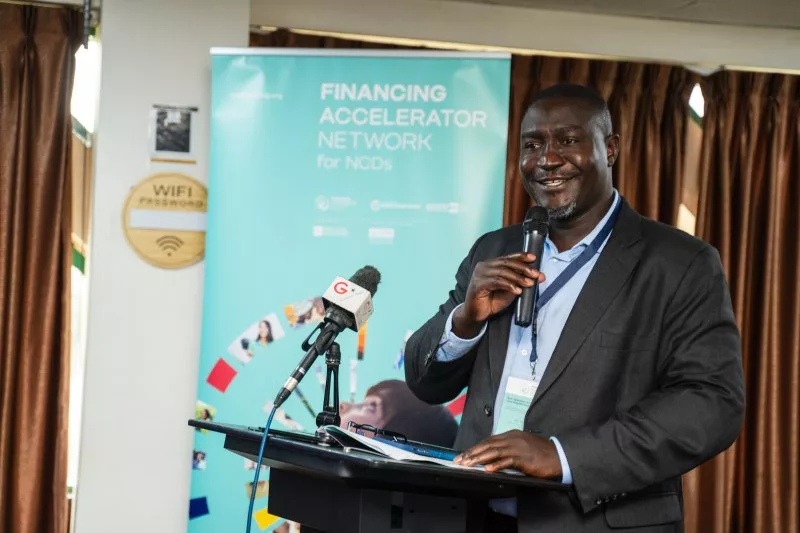
 Dr Jackson Otieno, Senior Research and Policy Analyst and Theme Lead for Economic Wellbeing at the African Institute for Development Policy (AFIDEP), addressing delegates at the event in Accra, Ghana
African countries have been urged to accelerate the integration of noncommunicable disease (NCD) services, essential medicines and diagnostics into Universal Health Coverage (UHC) reforms to ensure growing NCD needs are addressed within sustainable and equitable health systems.
The call was made in Accra, Ghana, on Wednesday as health leaders and technical experts from across Sub-Saharan Africa gathered for a two-day cross-country learning workshop running from August 19 to 20, 2026.
The workshop, convened under the Financing Accelerator Network for NCDs (FAN) and led by the African Institute for Development Policy (AFIDEP), brings together policymakers and experts from Cameroon, Ethiopia, Ghana, Kenya, Malawi, Rwanda, Somalia and Uganda to share experiences on integrating NCD care into ongoing UHC reforms.
The meeting comes as NCDs account for more than 37 per cent of deaths in Sub-Saharan Africa, up from 24.2 per cent in 2000, according to the press release.
Nearly two-thirds of NCD-related deaths occur before the age of 70, increasing pressure on households, health systems and national economies.
The release also notes that countries are pursuing UHC reforms amid constrained public resources, rising debt pressures and declining external assistance, while out-of-pocket spending remains a significant barrier to accessing NCD prevention, diagnosis, treatment, medicines and long-term care.
Speaking at the opening ceremony, Dr Belinda Nimako, Director of Policy, Planning, Monitoring and Evaluation at Ghana’s Ministry of Health, said Ghana was responding through its Free Primary Health Care policy and the Ghana Medical Trust Fund.
“Ghana is responding on two complementary fronts.”
She said the Free Primary Health Care policy seeks to remove cost barriers at first contact and make screening, early diagnosis and routine management of hypertension and diabetes accessible at the primary care level.
“Together, Free PHC and the Ghana Medical Trust Fund close the coverage gap from both ends: catching NCDs early at the primary care level and protecting families from catastrophic costs when specialist care is needed,” she added.
Dr Nimako acknowledged that Ghana’s reforms are still evolving, saying the country was learning and refining its approach as implementation progresses.
Jackson Otieno, Senior Research and Policy Analyst and Theme Lead for Economic Wellbeing at AFIDEP, said the focus should now be on how countries can incorporate NCD care into reforms already under way.
“The central question is no longer whether NCDs should be prioritised, but how African countries can effectively integrate NCD services, essential medicines, and diagnostics into the reforms already underway.”
Labram Musah Massawudu, Executive Director of VAST Ghana, said financing needed to be considered alongside efforts to address NCDs.
“For too long, NCDs have been treated as a health issue without enough attention to how we finance the response. Integrating NCD services, essential medicines, and diagnostics into UHC reforms is critical. We call on the governments to ensure financing decisions translate into real access to quality NCD services for everyone across the continent.”
The workshop is focusing on defining and prioritising NCD services within health benefit packages, implementing NCD integration within UHC reforms, addressing financing and political economy challenges, and identifying practical actions countries can take in the next financial year.
In her concluding remarks, Nimako urged participants to draw lessons from both progress and challenges during implementation.
“There is as much to learn from our struggles as from our successes,” she said.
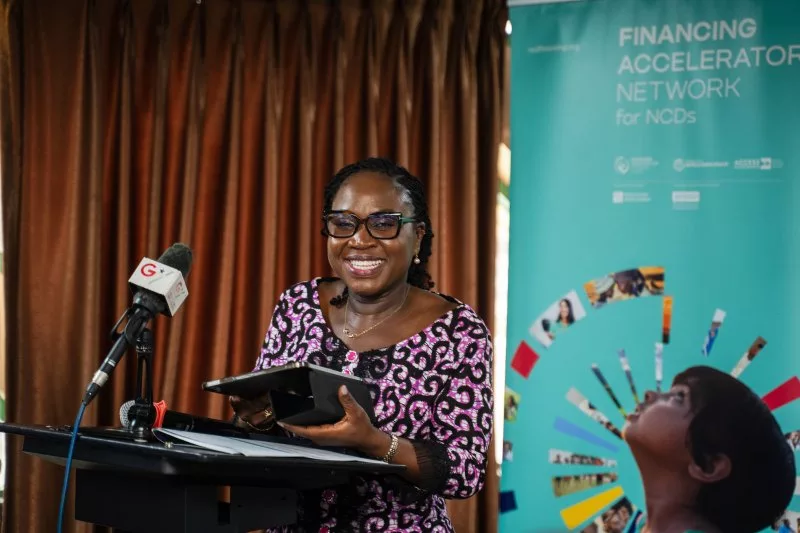
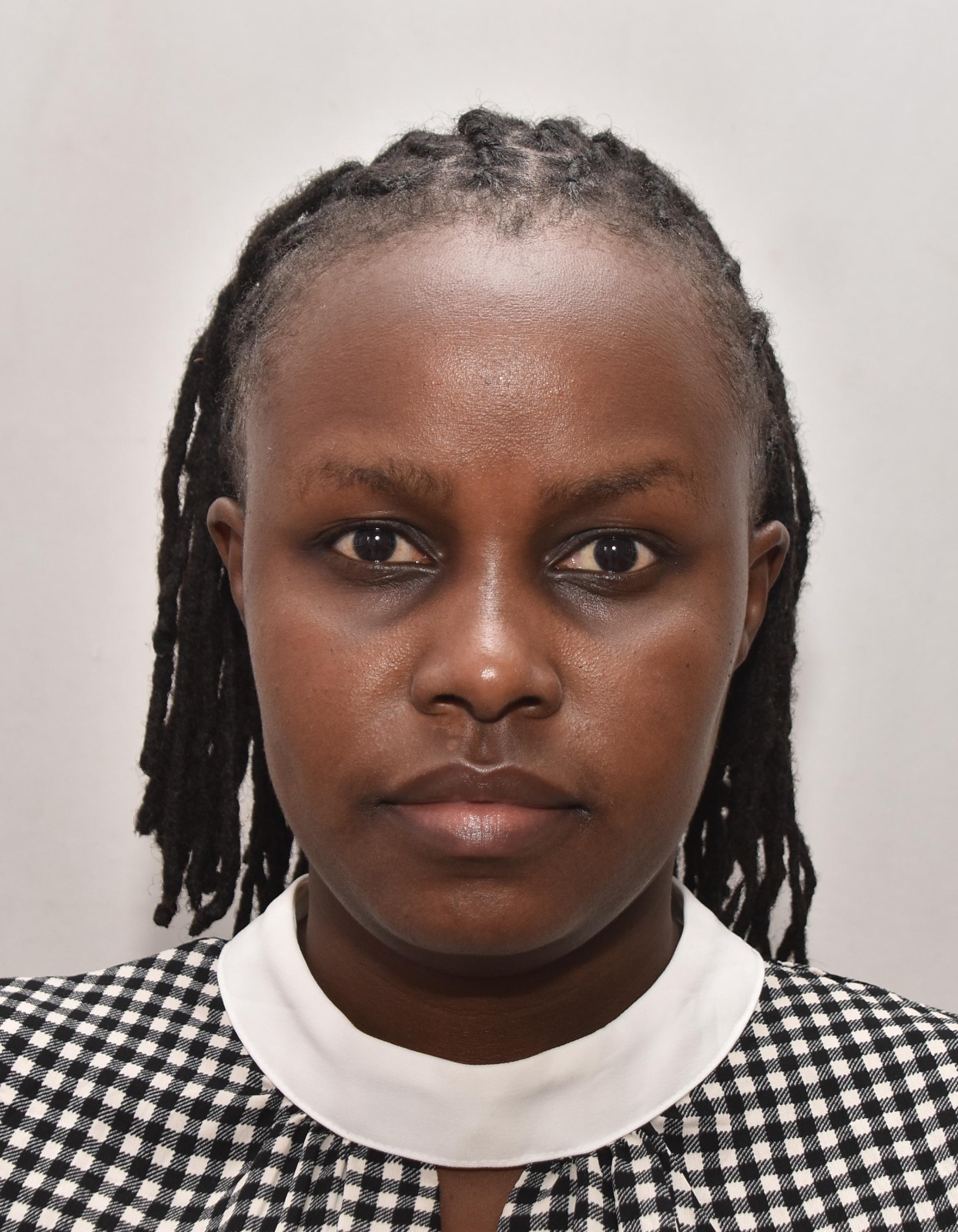
Dr Belinda Nimako, Director of Policy, Planning, Monitoring and Evaluation at Ghana’s Ministry of Health