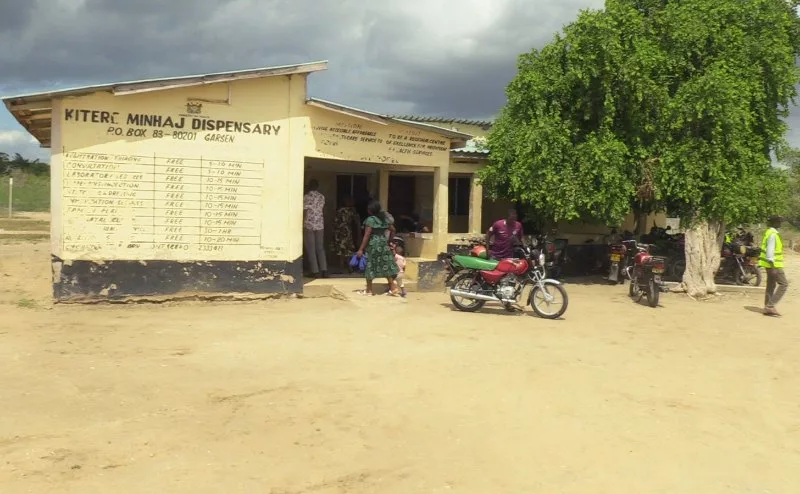
 Kitere Minhaj dispensary in Tana Delta Sub County, Tana River County
For residents of Kitere Minhaj, Baomo and Amani villages in
Tana Delta, accessing basic healthcare remains a daily struggle.
Located about 52 kilometres from Garsen town, in Tana River county, the three villages are home to more than 3,500 people who rely on Kitere Minhaj Dispensary for treatment, maternity services and other essential care.
But the facility is struggling with shortages of staff, medicine and adequate infrastructure, leaving health workers stretched and patients facing difficult choices.
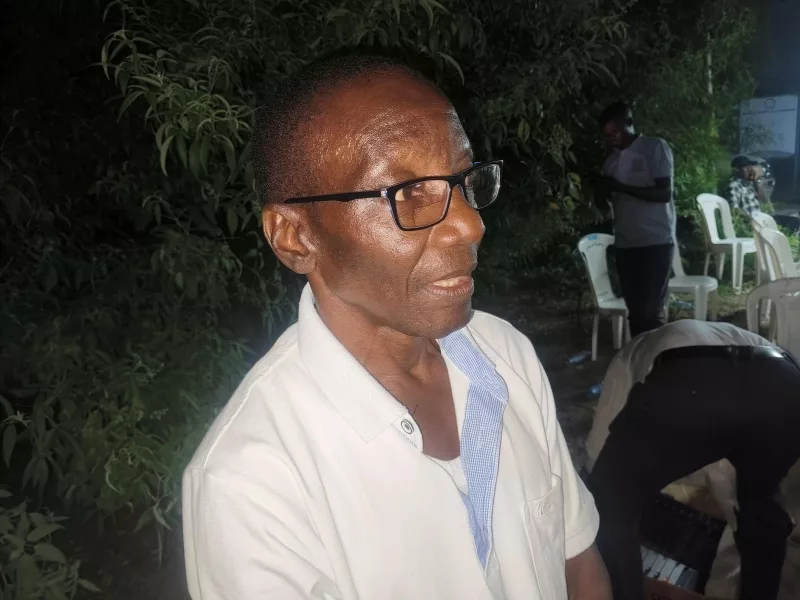
Awadh Ali, the nurse in charge, said the dispensary provides outpatient and maternity services despite operating under severe constraints.
“We offer all services, including outpatient and maternity, but we have infrastructure shortage, staff shortage and medicine shortage. The last time we received medicine from KEMSA was in January 2024,” Ali said.
The shortage of space has forced the facility to convert a store into a maternity room to accommodate expectant mothers.
Ali said the dispensary receives at least 10 expectant women every week, with the number rising to more than 15 during peak months.
“We deliver babies here and I receive not less than 10 expectant women every week. In February, March, August and September, the number rises to 15 and above, yet we only have one delivery bed and I am the only nurse to do the job,” he said.
The challenges are compounded by poor roads, seasonal flooding and a lack of reliable transport. Some communities can only be reached by boat, making referrals and outreach services difficult.
Community Health Promoter Hatima Amina, who comes from Baomo, said health workers were struggling to reach patients in remote areas.
“We need better roads and boats so that we can get to interior parts of the villages to help our patients. In some villages without boats, we can’t offer services,” Amina said.
She called for an ambulance and at least one boat to support emergency referrals and enable health workers reach isolated communities.
The dispensary treats illnesses including respiratory infections, diarrhoea, skin conditions, peptic ulcers, hypertension, urinary tract infections, malaria, pneumonia, and eye and ear infections. However, medicine shortages continue to undermine treatment.
Residents are also worried about understaffing.
Bakari Lakole of Kitere Minhaj said the facility’s only nurse is often forced to work long hours, including assisting women during night deliveries without electricity.
“Our only nurse here is forced to use a torch when helping expectant women deliver during night time. He is also overworked since he has to work during the day and night,” Lakole said.
The dispensary currently has only a nurse and laboratory technician after a clinical officer was transferred about two months ago without replacement.
Residents are calling for renovation of the facility, more health workers, regular medicine supplies, emergency transport, staff quarters and electricity.