For decades, the arrival of a newborn in Chepkitale has often meant turning to women whose knowledge has been passed down through generations, rather than walking into a maternity ward.
These indigenous midwives have delivered babies, comforted mothers and helped preserve a tradition that has survived despite the community’s isolation.
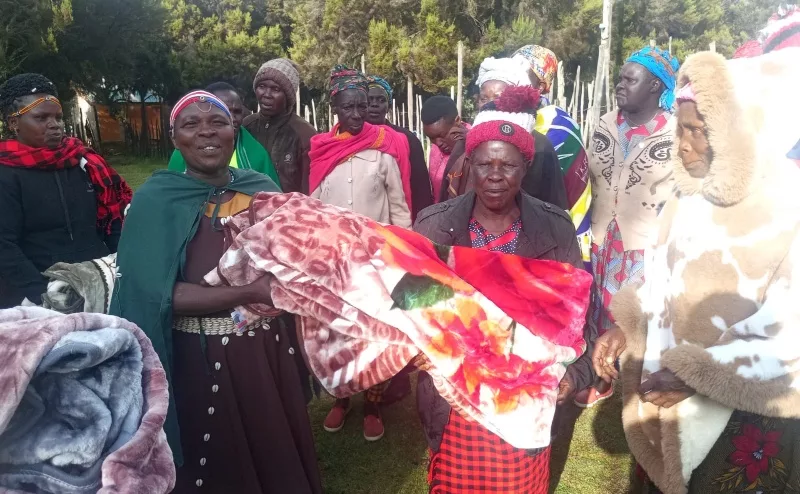
Now, 15 of them have been honoured for their contribution to the wellbeing of the Ogiek community and their role in preserving its cultural heritage.
The midwives were celebrated at Chepkitale in Mt Elgon constituency as the Ogiek community marked the International Day of the World’s Indigenous Peoples.
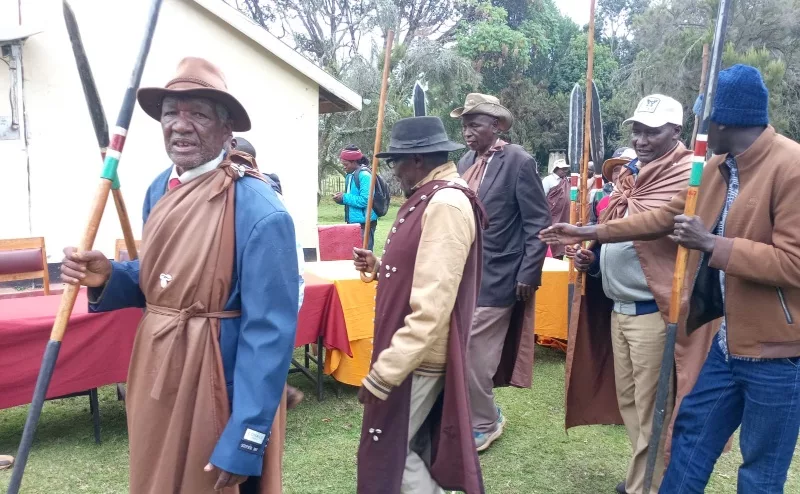
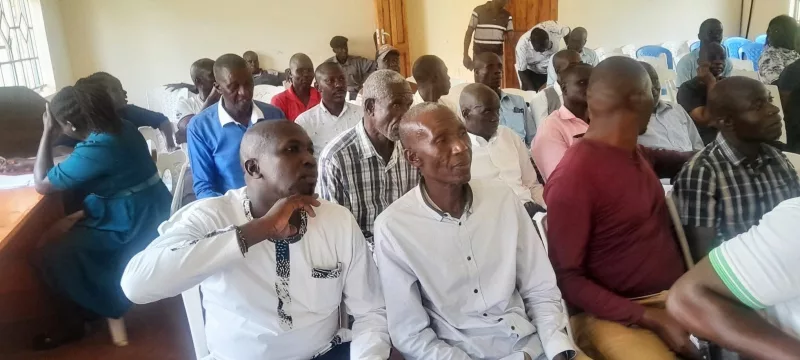
Hundreds of youths, women, artists, elders and cultural groups gathered for the celebrations, which focused on recognising the critical role played by traditional midwives.
The event was held under the theme, “Honouring the Indigenous Midwives for Their Role in Safeguarding Lives and Wellbeing.”
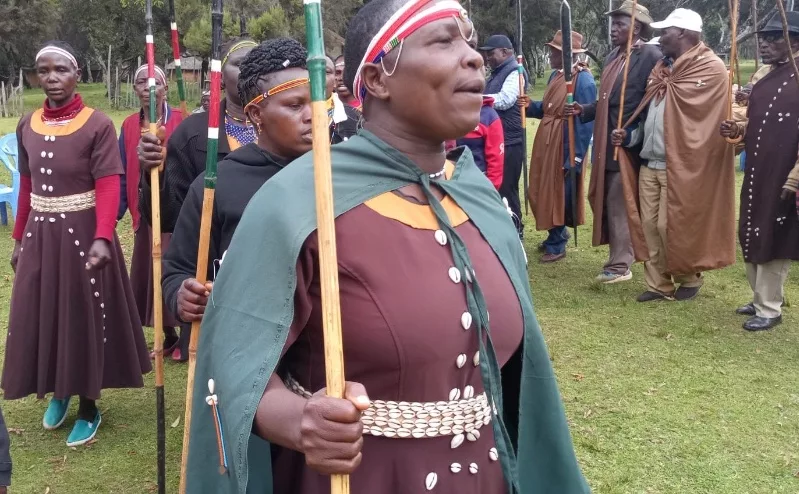
Despite the chilly weather, members of the community turned out in large numbers to showcase their culture through traditional dress, musical instruments, songs, dances, food and other cultural displays.
The celebrations offered a colourful window into the heritage of the Ogiek, a community traditionally associated with beekeeping and gathering.
The 15 midwives narrated moving stories of bringing children into the world under difficult circumstances, often without the benefit of conventional maternity facilities.
Their songs and dances electrified the gathering, drawing cheers and applause from the crowd.
Salon Chemtai, the youngest of the midwives, explained that one of the songs performed during the celebration is traditionally sung when a child is born.
“We sing this song when the child is born and we use it also to chase away the evils and invite the ancestors to protect the baby and her mother,” she said.
Chemtai learnt the skills of traditional midwifery from her grandmother, continuing a chain of indigenous knowledge passed from one generation to another.
She said she began assisting expectant mothers before she was married, despite questions from her sisters about the work she had chosen.
“I picked the job before getting married and my sisters bothered me with many questions. But I didn’t care. I continued doing it with a passion and I feel proud to be celebrated,” she said after being rewarded with a blanket.
For Chemtai, the skills inherited from her grandmother have become a source of pride as she continues to help mothers in her community.
Risper Ndiema, who has overseen successful births for more than four decades, also shared her experience of the demanding work.
“The experience is challenging but once the baby is born, one is filled with happiness,” she said.
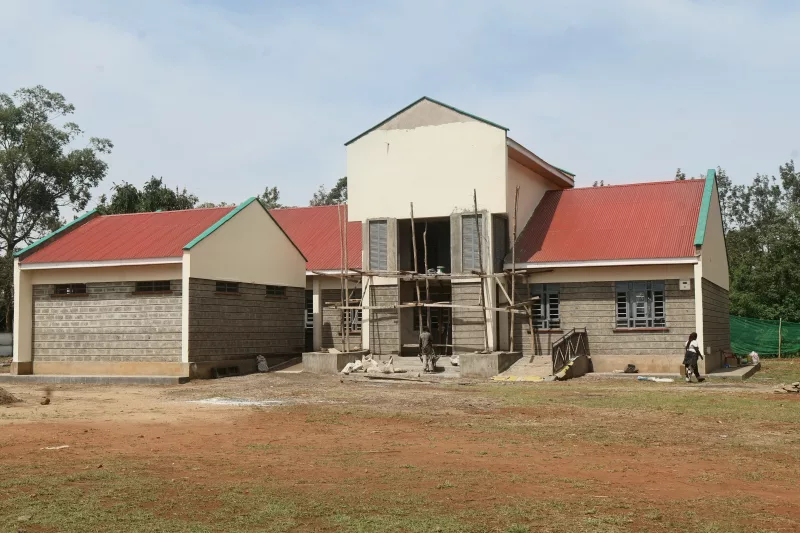
For many women in Chepkitale, traditional birth attendants remain an important lifeline. The area has no maternity wards, while the 32-kilometre road linking Chepkitale to the rest of the region is described as impassable, making access to conventional healthcare difficult.
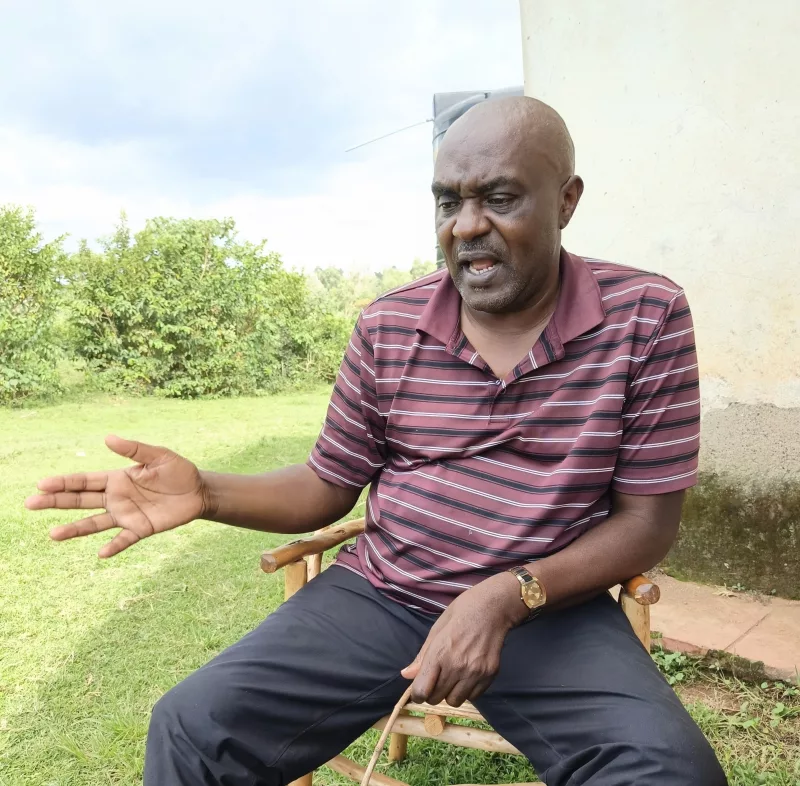
Dr Brian Inima, the Medical Officer of Health, praised the midwives for continuing to serve residents despite the challenges.
“They are our champions. They have saved many lives since residents do not access healthcare services due to the impassable road,” he said.
Beyond recognising the midwives, the celebrations also opened a conversation about how Ogiek culture and indigenous knowledge can create economic opportunities.
Bungoma Public Service Board chairman Fredrick Wanyonyi urged the community to connect its cultural heritage and traditional skills with tourism.
He encouraged the Ogiek to explore innovative approaches, including open-air living museums, to showcase their culture while generating income and employment.
Wanyonyi said the community’s rich cultural heritage could be transformed into an economic enterprise and contribute to improving livelihoods.
“I’m totally impressed by the rich cultural displays, the exciting traditional performances and linking them to tourism creates an economic opportunity for the community,” he said.
He said the Ogiek’s cultural heritage was valuable and, if properly harnessed, could help improve the livelihoods of community members.
For the midwives, however, the celebration was more than an acknowledgement of their work. It was a recognition of an indigenous knowledge system passed from grandmother to granddaughter — and of women who, for generations, have stood beside mothers at one of the most important moments of their lives.