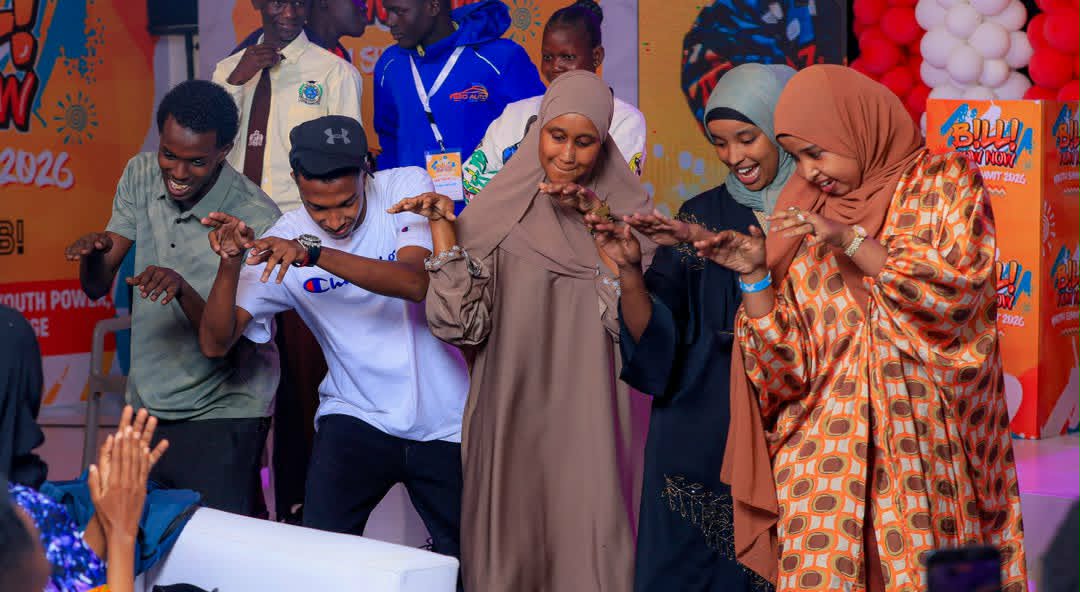
Insecurity and unemployment have been identified as the key issues hindering African youth from exploiting their potential.
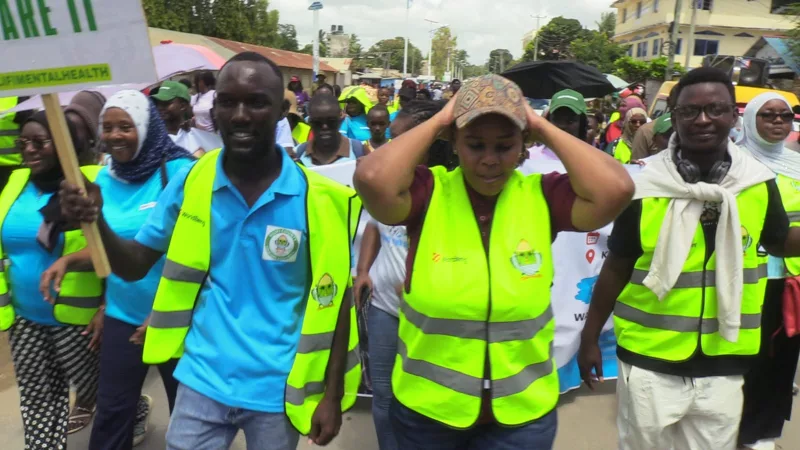
Speaking at the fourth Bill Now Now (BNN) Africa Youth Summit in Kampala, young people from 11 African countries said conflict continues to disrupt education, livelihoods and civic participation.
They called for greater investment in peace-building and inclusive opportunities that enable young people to thrive.
Participants cited South Sudan, Somalia and South Africa among the countries where insecurity remains one of the greatest barriers facing young people.
They called for stronger partnerships to connect young people to mentorship, financing, networks and markets capable of transforming innovative ideas into sustainable solutions.
“When it comes to employment challenges facing young people in Somalia, factors such as limited access to education continue to affect opportunities, making it difficult for many young people to access formal employment,” said Farhiya Abdidani from Mogadishu.
The three-day event, in Kampala from August 5 to 7, came ahead of International Youth Day, which is set to be commemorated on August 12.
The gathering brought together young people to discuss challenges and opportunities in their communities.
Esther Keji from South Sudan said insecurity is among the major challenges facing young people in the country.
“We want to see more investments in peace-building that will enable young people to rebuild their lives and achieve their development aspirations,” Keji said.
Mukiibi Sharifi from Uganda emphasised the need to invest in creativity, innovation and youth skills development to unlock opportunities within Africa’s growing creative and digital economies.
African Union statistics show that nearly 60 per cent of Africa’s population is under the age of 25, making Africa the youngest continent in the world.
Humphrey Nabimanya, the founder and executive director of Reach A Hand Africa, commended the summit for its focus on implementation, unlike many meetings that take place without concrete action.
“There are many youth-focused discussions and meetings that are merely symbolic, but this year’s summit is meaningful because it is focused on taking action,” Nabimanya said.
The summit called for meaningful inclusion of youth in the development process so they can contribute to, influence and shape conversations.
The summit also brought together policymakers, civil society organisations, development partners, innovators and private sector leaders from Uganda, Kenya, Burkina Faso, Sudan, Somalia, Burundi, South Sudan, Tanzania, Eritrea, Ethiopia and the Democratic Republic of Congo.
Organisers said it was key to ensure strategic funding, intentional inclusion and guaranteed seats for young people to act, participate and influence decision-making.
“Sometimes young people ask for pizza but are given chapatti,” said Rasheed Mutaha, the BNN coordinator for Kenya.
Other areas of discussion included sexual and reproductive health, mental health, entrepreneurship and trade, education and skills, climate change and the green economy, and responsible technology and artificial intelligence.
Uganda’s Minister for Labour, Gender and Social Development Lakisa Faith, who delivered the keynote address, said the country is committed to addressing the issues raised.
“The government of Uganda remains committed to creating an enabling environment where every young person has the opportunity to learn, innovate, work, lead and contribute to national development,” she said.