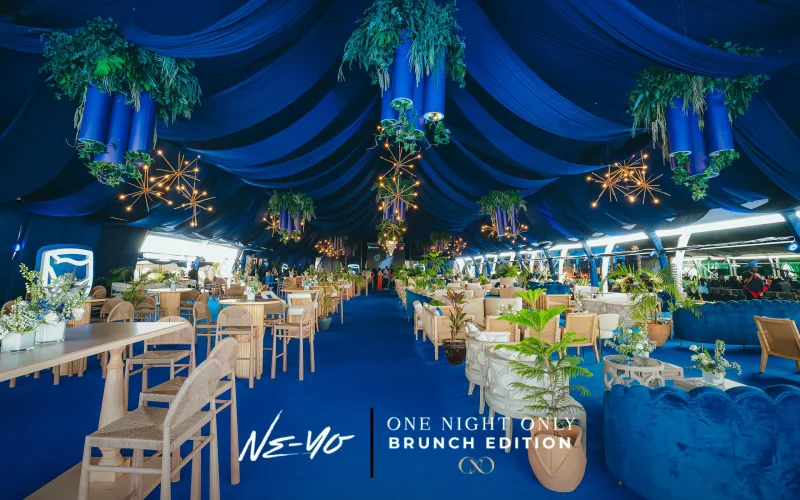
Nairobi came alive with Kalenjin culture on August 8, 2026, as the highly anticipated Kutiit Culture 2026 festival brought together a massive crowd for a day filled with music, fashion, language, and cultural pride.
Held as an annual celebration of Kalenjin culture, this year’s edition drew revelers eager to honor their heritage while enjoying modern entertainment.
The sold-out event demonstrated the growing popularity of Kutiit Culture, particularly among young Kalenjins in Nairobi and those who travelled from across the country to take part in the celebration.

Read Also
A Massive Turnout
From early in the day, excitement surrounding the festival was evident, with the venue filling up with revelers ready to experience what had become one of the year’s biggest Kalenjin social gatherings. The event featured various Kalenjin artists and even politicians like Oscar Sudi.
The impressive turnout turned the August 8 celebration into more than just another entertainment event.
Friends and families gathered, while groups of young people arrived dressed for the occasion, creating a vibrant atmosphere that reflected the diversity and confidence of Nairobi’s Kalenjin community.
The sold-out status also underlined the growing demand for cultural events that allow young Kenyans to celebrate their identity in a modern setting.

Music Takes Centre Stage
The festival provided a platform for Kalenjin sounds while bringing together entertainment and cultural expression under one roof.
Performances kept the crowd entertained throughout the event, with revelers singing along, dancing, and enjoying music that reflected their roots.
For a younger generation increasingly exposed to different genres and global entertainment trends, Kutiit offered an opportunity to embrace local sounds and demonstrate that Kalenjin music has a place within Nairobi’s vibrant entertainment scene.

Fashion Becomes a Statement
Fashion was another major highlight of the August 8 celebration.
Revelers turned up in eye-catching outfits, with traditional-inspired designs blending seamlessly with contemporary African fashion.
For many attendees, clothing became more than simply a way to look good. It was another form of cultural expression, allowing them to proudly showcase their heritage while maintaining a modern Nairobi aesthetic.
Kalenjin Language and Cultural Pride
One of the most noticeable elements of the festival was the prominence of the Kalenjin language.
Conversations, cheers, and interactions in Kalenjin created an atmosphere where attendees could freely express themselves in their mother tongue.
For young Kalenjins living in Nairobi and even outside, Kutiit provided a rare space to reconnect with their language and heritage while surrounded by thousands of people who shared the same cultural background.