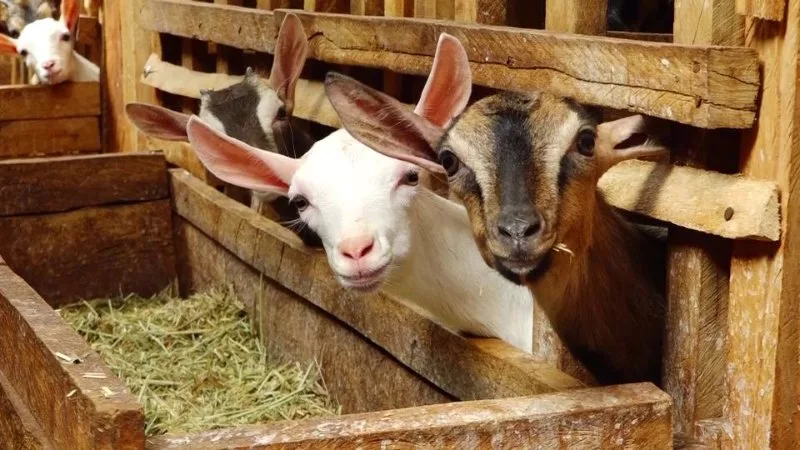
 Animal feed crisis /FILE
To reduce the rising cost of livestock production, Kiambu farmer Peter Mwangi stopped relying entirely on commercial dairy meal and began formulating his own.
He buys maize germ, sunflower cake, cotton seed cake and an assortment of ingredients from local agro-dealers, believing the homemade blend saves him thousands of shillings every month.
"Commercial feeds have become too expensive. When I mix my own feed, I feel I have more control over my costs," Mwangi said, echoing a growing trend among livestock farmers across Kenya.
However, animal nutrition experts warn that while home-made feeds may appear cheaper, they can expose livestock to nutritional deficiencies, dangerous toxins and lower productivity, ultimately costing farmers far more than they save.
Joseph Karuri, chairman of the Association of Kenya Feed Manufacturers (AKEFEMA), said poor nutrition remains one of the biggest reasons Kenyan livestock perform below their genetic potential.
"Kenya has some of the best dairy breeds compared to those found in Europe. However, our dairy cows produce an average of about 1,000 litres of milk per cow annually, compared with about 10,000 litres in countries such as the Netherlands. The biggest difference is nutrition," he said.
Karuri said quality feeding goes beyond manufactured feeds and includes safe, high-quality forage such as hay and silage.
Industry tests have detected high levels of aflatoxins in many hay and silage samples, posing a threat to livestock health and raising concerns about the safety of milk and other animal products consumed by humans.
"We are working closely with farmers because they are our customers. We want to ensure that even what is produced on the farm is safe for both animals and consumers," he said.
Karuri noted that feed prices remain high because Kenya imports about 80 per cent of the raw materials used in feed manufacturing.
To reduce dependence on imports, the industry is working with the government to promote local production of yellow maize, soybeans, sunflower and canola through contract farming.
Despite the financial pressure on farmers, feed manufacturers caution that preparing feeds at home without proper laboratory testing or professional formulation carries significant risks.
Susan Warui, managing director of Essential Drugs Ltd, which manufactures vitamin and mineral premixes for commercial feed producers, said many farmers wrongly assume home mixing is the cheaper option.
"We do not recommend home mixing because feed formulation is a science. Reputable feed manufacturers invest in laboratories, qualified nutritionists and quality control systems to ensure feeds contain the right nutrients and are free from harmful contaminants," she said.
Warui identified aflatoxin contamination as one of the greatest dangers.
While many farmers associate aflatoxins only with maize intended for human consumption, she said the toxins can also contaminate sunflower, cotton seed cake, soybeans and other common feed ingredients if they are poorly handled or stored.
"Without laboratory analysis, farmers are formulating blindly. They cannot determine whether the raw materials contain dangerous levels of mycotoxins or accurately measure the protein, carbohydrates and other nutrients required by their animals," she said.
Commercial feed manufacturers routinely test raw materials before production and incorporate mycotoxin binders that reduce the harmful effects of aflatoxins, a process beyond the reach of most individual farmers.
Different livestock species and production stages require carefully balanced nutrient levels.
"Dairy cows, broiler chickens and laying hens all have unique nutritional requirements. Any excess nutrients are simply excreted by the animal, meaning the farmer pays for feed that goes to waste. Efficient formulation is about providing exactly what the animal requires, no more and no less," she said.
Animal nutritionist and veterinary surgeon Dr Onesmas Kibuu said farmers making their own feeds must prioritise quality and nutritional balance over simply reducing costs.
He said many rely on grains commonly consumed by humans, such as white maize, without fully understanding the nutritional requirements of different livestock species.
Poorly formulated rations, he warned, can compromise animal health, reduce milk yields and growth rates, and ultimately increase production costs through poor performance and higher veterinary bills.