The North Eastern Wildlife Conservancies Association (Neca)
has accused the Kenya Wildlife Service (KWS) of failing to adequately protect
the endangered Somali giraffe.
Read Also
Neca claims illegal killings in northern Kenya have reached alarming levels.
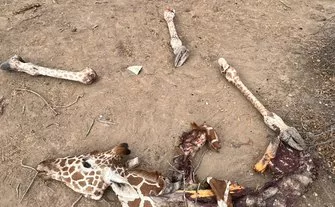
In a letter to KWS Director General Prof Erustus Kanga, Neca chief executive officer Sharmake Mohamed alleged that at least three Somali giraffes are being killed daily in Garissa, Wajir and parts of Mandera counties.
The letter was accompanied by photographs of giraffe carcasses reportedly found in Dadaab, Garissa county and Wajir South.
"These images are not isolated incidents. They are evidence of a growing conservation crisis that has reached an unacceptable level," Mohamed said.
Neca claimed the killings are part of an organised pattern of wildlife crime and warned that continued poaching could threaten one of the world's largest remaining populations of Somali giraffes.
The association said it has for years shared intelligence, photographs, GPS coordinates and information on suspected poachers and emerging hotspots with KWS.
However, it alleged that the agency's response has largely consisted of short-term enforcement operations.
It identified Ali Kune, Kumahumato, Dadaab, Abakore, Hare, Sabul, Sarif, Biyamadow and areas along the Tana River as some of the affected locations.
Neca called on KWS to permanently deploy wildlife officers in major poaching hotspots and involve community conservancies more closely in conservation efforts.
Responding to the claims, Kanga dismissed the allegations that KWS had failed in its mandate, saying the situation was not as severe as portrayed and that the agency had intensified conservation efforts.
He said KWS had engaged the governors of Garissa and Wajir counties on measures to strengthen wildlife protection.
In Garissa, KWS has recommended the establishment of a game reserve to protect key wildlife habitats, improve human-wildlife coexistence, and promote eco-tourism.
Kanga said the reserve would help conserve wildlife corridors, enhance climate resilience and create economic opportunities for local communities.
He added that KWS is ready to provide technical support, including feasibility studies, stakeholder consultations and management frameworks for the proposed reserve.
In Wajir, KWS has also recommended the formal establishment and revitalisation of game reserves, saying the county remains a critical habitat for globally important wildlife species.
INSTANT ANALYSIS
The dispute highlights the growing tension between conservation groups and state agencies over the protection of endangered wildlife in northern Kenya.
Community conservancies increasingly see themselves as frontline partners in conservation and are demanding a greater role in enforcement and decision-making.
For KWS, the challenge extends beyond anti-poaching patrols to securing local support, improving intelligence-led operations, and protecting vast, remote landscapes where wildlife crime is difficult to police.
The debate also underscores the need for credible data on poaching trends, as effective conservation policy depends on accurate monitoring, collaboration with communities, and sustained investment in wildlife protection.