For millions of Kenyans, a mobile phone is more than just a communication device—it is a bank, a business tool, and even an investment platform.
But cybercriminals are increasingly targeting that digital lifeline through a sophisticated crime known as SIM swap fraud.
According to Interpol, Kenyan mobile money users and cryptocurrency holders lost approximately Sh491.6 million ($3.8 million) to SIM swap criminals in 2025. The international police agency also reported a staggering 327% increase in SIM swap cases and revealed that more than 123,000 SIM cards had been fraudulently issued, highlighting the growing scale of the threat.
How SIM Swap Fraud Works
Read Also
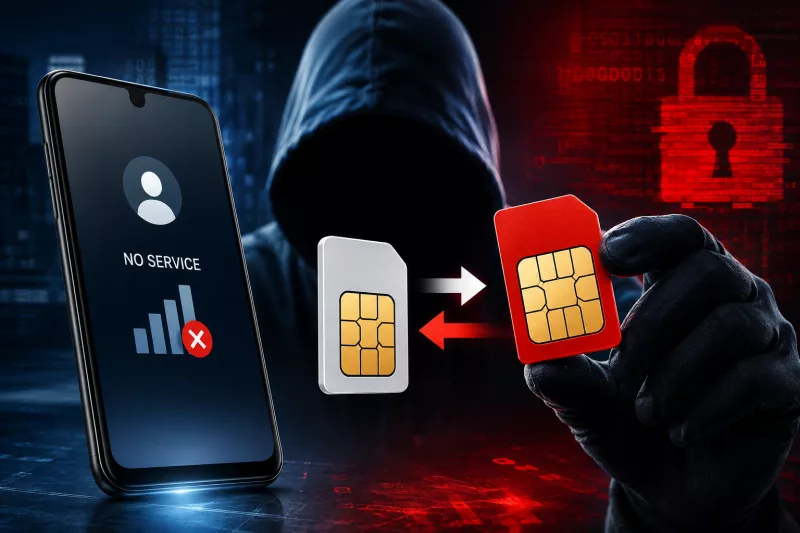
SIM swap fraud happens when criminals trick or manipulate a mobile service provider into transferring your phone number to a SIM card they control.
The process often begins with the scammers gathering personal information about their target. This information can come from social media, phishing messages, fake customer care calls, leaked databases, or even stolen identity documents.
Once they have enough details, they convince a telecom agent that they are the legitimate owner of the phone number. In some cases, fraudsters allegedly work with corrupt insiders who help them bypass security checks.
When the swap is successful, the victim’s SIM card suddenly loses network service. At that moment, the criminal receives all calls and SMS messages meant for the victim, including one-time passwords (OTPs) used to verify transactions.
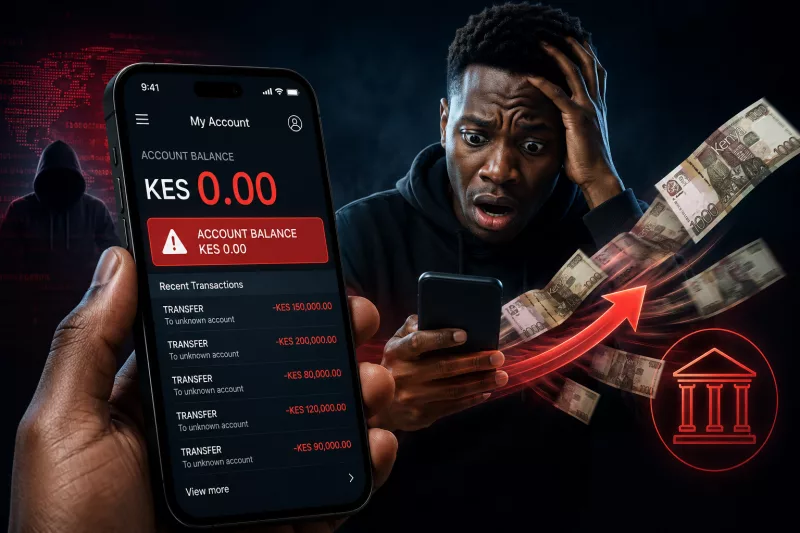
With access to these verification codes, criminals can reset passwords, access mobile money accounts, online banking platforms, email accounts, and cryptocurrency wallets before the victim realizes what is happening.
Warning Signs You Should Never Ignore
One of the earliest signs of a SIM swap attack is when your phone unexpectedly loses signal for an extended period, despite being in an area with good network coverage.
You may also notice that you can no longer make calls, send messages, or use mobile data. If this happens unexpectedly, treat it as an emergency.
Other warning signs include notifications of password changes you did not request, login alerts from unfamiliar devices, or mobile money transaction messages that you did not authorize.
How to Protect Yourself
The first line of defense is protecting your personal information. Avoid sharing copies of your national ID, phone number, or other sensitive details on social media or with people you do not trust.
Enable two-factor authentication using an authentication app whenever possible instead of relying solely on SMS verification codes.
Create strong, unique passwords for your email, banking, and cryptocurrency accounts, and change them regularly.
Be cautious of callers claiming to be from your mobile service provider or bank. Genuine customer care representatives will not ask for your PIN, passwords, or verification codes.
If your phone suddenly loses network service without explanation, immediately contact your mobile network provider using another phone and request that your account be secured. You should also notify your bank or mobile money provider to temporarily freeze transactions if necessary.
Stay Alert
As Kenya continues to embrace digital payments and cryptocurrency, cybercriminals are evolving just as quickly. SIM swap fraud is dangerous because victims often realize what has happened only after their accounts have been emptied.
Remaining vigilant, protecting your personal information, and acting immediately when your phone unexpectedly loses service could make the difference between staying secure and becoming the next victim of one of Kenya’s fastest-growing cybercrimes.