 SCREENGRAB/BBC
Part of a SpaceX rocket hurtling towards the Moon is thought to have made impact.
The Falcon 9 rocket was launched last year - its 4,000kg upper section was shed in space, as planned, but went on to be in an accidental collision course with the lunar surface.
The crash, due to occur around 07:35 BST, will be confirmed by specialist telescopes monitoring the event - our science correspondent explains why there are no live images
Nasa spokesperson Jimi Russell says the collision poses "no danger to Earth" and the US space agency will "collect lunar data from the event and refine techniques for tracking objects in space"
Meanwhile, astronomer Matt Bothwell warns about the dangers of space debris - human-made objects in orbit - and its potential impact on future missions
"It could feasibly be, within a few decades, hard to get past Earth's orbit because space is so crowded," Bothwell tells BBC Breakfast.
Telescope operator says 'encouraging preliminary result' detected from Chile
Rodrigo Palominos, a telescope operator at the Paranal Observatory in Chile, says earlier this morning there was an impact of the upper stage of the Falcon 9 rocket.
He tells Radio 4's Today programme that at the predicted time of impact, he detected a change in some emission lines - bright lines of light - which were not present before.
Palominos say it's an "encouraging preliminary result" which may indicate material released by the collision.
Rocket that put debris on collision course with moon to launch for 18th time
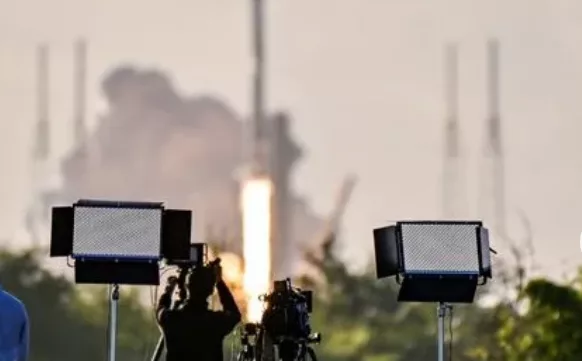
As we've been reporting, Space X's Falcon 9 rocket is a reusable model and has been used for several space missions.
When it takes off, the rocket separates, and the bottom section that boosts it returns to earth.
The debris that has been heading towards the moon is the upper part and came from a Falcon 9 launch in January 2025.
On 10 August, the Falcon 9 booster section from the January 2025 mission is hoping to launch 29 Starlink satellites to low-Earth orbit.
It will set off from Florida's Cape Canaveral Space Force Station, marking the 18th flight for this specific Falcon 9 rocket.
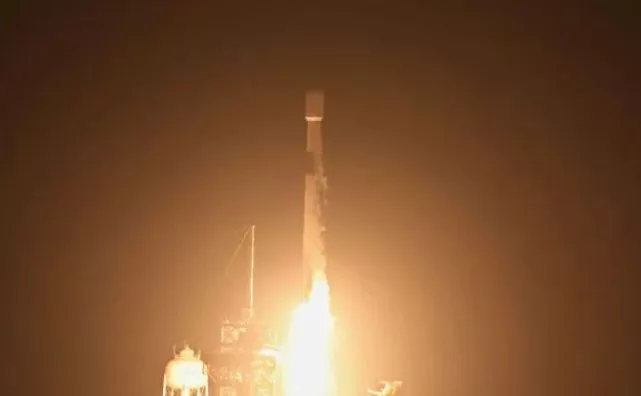
Earlier today, we saw a separate Falcon 9 launch in the BlueBird 11-13 mission.