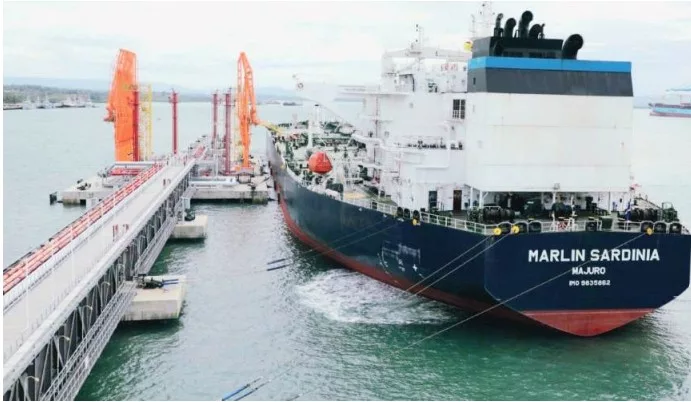
THE Strait of Hormuz, a 167km waterway linking the Persian Gulf to global markets, handles nearly one-fifth of the world's traded oil.
Tensions in the region have disrupted global trade, exposing Kenya's vulnerability to distant supply chain shocks.
Kenya imports most of its refined petroleum products from Gulf states, including the UAE, Saudi Arabia, Kuwait and Oman.
As tensions continue impacting global oil prices, fuel costs rise, increasing transport expenses, production costs and the prices of goods and services.
Manufacturers are among the hardest hit. Kenya relies heavily on imported petroleum, industrial inputs such as aluminium, chemicals, plastics and paper, many sourced from or routed through the Middle East.
Shipping delays, higher insurance premiums and tighter security measures have disrupted supplies.
A Kenya Association of Manufacturers survey has found that 78.6 per cent of manufacturers are affected, with delivery times doubling from 28 to nearly 60 days.
More than a third have reported freight costs rising by over 30 per cent.
Container shipping costs have surged sharply, while war-risk surcharges, higher insurance premiums and stricter supplier payment terms have strained manufacturers' cash flows, particularly for small businesses.
Exporters have also suffered as higher logistics costs undermined Kenya's competitiveness in Middle Eastern markets worth about $1.5 billion (Sh193.4 billion) annually.
The disruption underscores Kenya's dependence on distant supply chains and the urgent need to strengthen local manufacturing and regional trade.
Expanding production of industrial inputs and leveraging the African Continental Free Trade Area can reduce reliance on vulnerable global shipping routes.
Building resilience also requires supportive policies, including lower Import Declaration Fee and Railway Development Levy charges on industrial inputs, predictable taxation and continued investment in ports, transport and logistics.
Preparing for future disruptions must begin before the next crisis strikes.
The writer is the Chief Executive of the Kenya Association of Manufacturers