Survivors of brutality and post-election violence have called for police reforms to end circles of human rights violations often witnessed during and after elections.
The survivors drawn from Kisumu, Migori and other western counties have demanded accountability and compensation for the violations.
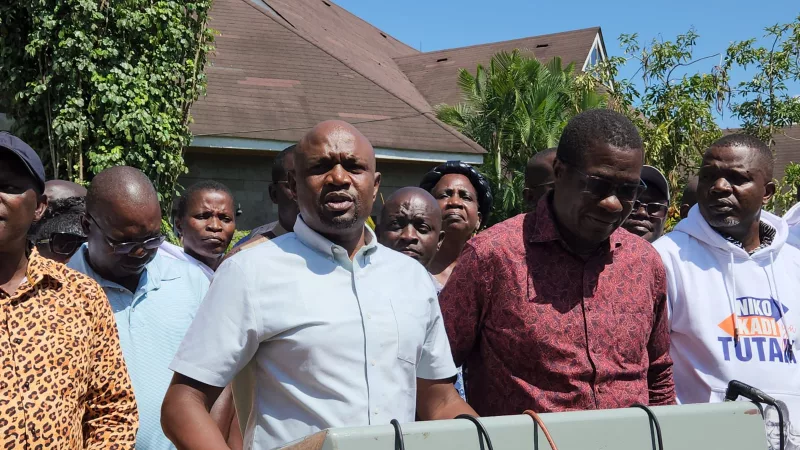
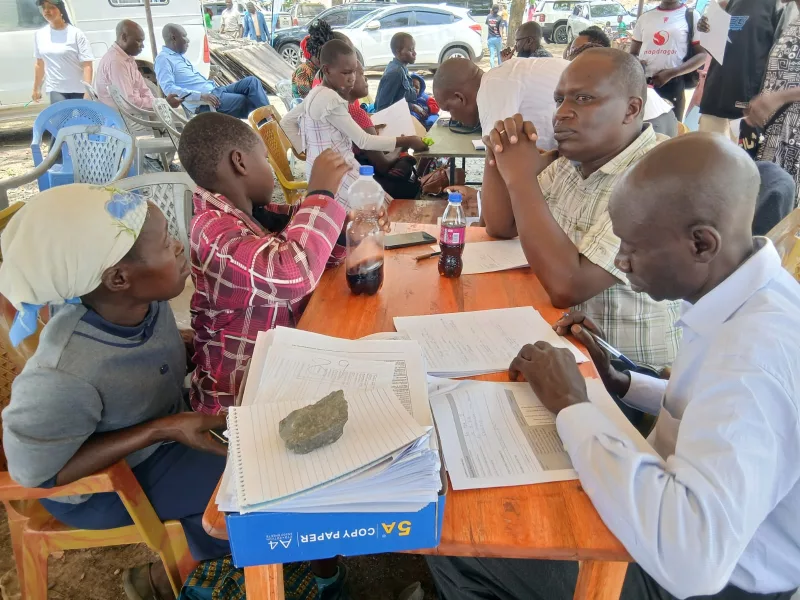
They spoke during a meeting in Kisumu under the Kenya Champions of Justice (KECHAJU), a survivor-led movement supported by the International Justice Mission (IJM) Kenya.
They underwent advocacy and storytelling training aimed at strengthening their role in influencing policing reforms and advancing victims' rights.
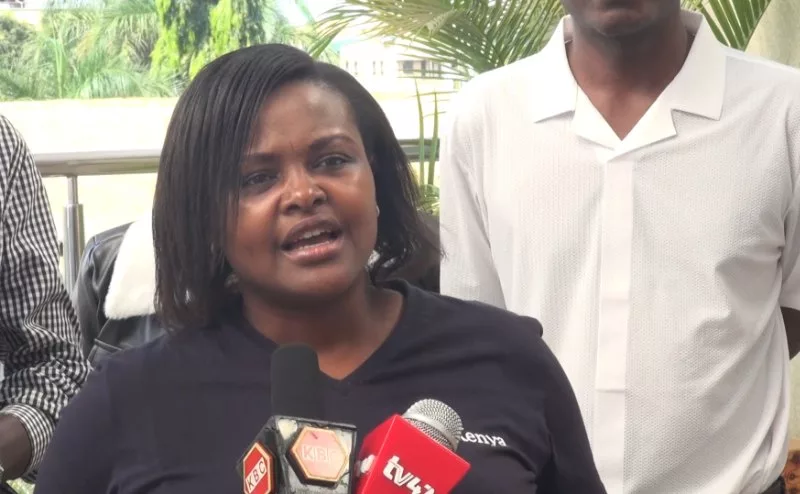
IJM Kenya senior manager Esther Njuguna said the movement brings together survivors who have lost loved ones or sustained life-changing injuries during violent demonstrations. They are now using their experiences to advocate for systemic change.
"Many of these survivors continue to carry physical and emotional scars long after their court cases have ended or after burying their loved ones. They have chosen not to disappear into silence but to reclaim their voices and push for reforms that will protect others from suffering the same fate," Njuguna said.
The survivors are being equipped with advocacy skills and trained to tell their stories in ways that influence policymakers while protecting their dignity and well-being.
Njuguna said the training helps survivors identify weaknesses within the criminal justice system and recommend reforms to make institutions more responsive to victims of violence.
"We want institutions to listen to survivors because they understand where systems fail and what needs to change. Their stories are not only about pain but about solutions that can strengthen the justice system and ensure survivors receive the support they deserve," she said.
KECHAJU comprises 104 survivors from different parts of the country who have experienced police brutality and now work collectively to advocate for reforms.
IJM describes the survivors as "experts by experience", saying their lived experiences provide valuable insight into how justice systems can better protect victims and prevent future abuses.
Njuguna called on more survivors of police abuse to join the movement, saying every survivor deserves to be heard and has a role to play in shaping policies that promote justice and accountability.
She also challenged the perception that public safety and police accountability are competing priorities.
"Proper policing requires both accountability and public safety. Strengthening one strengthens the other," she said.
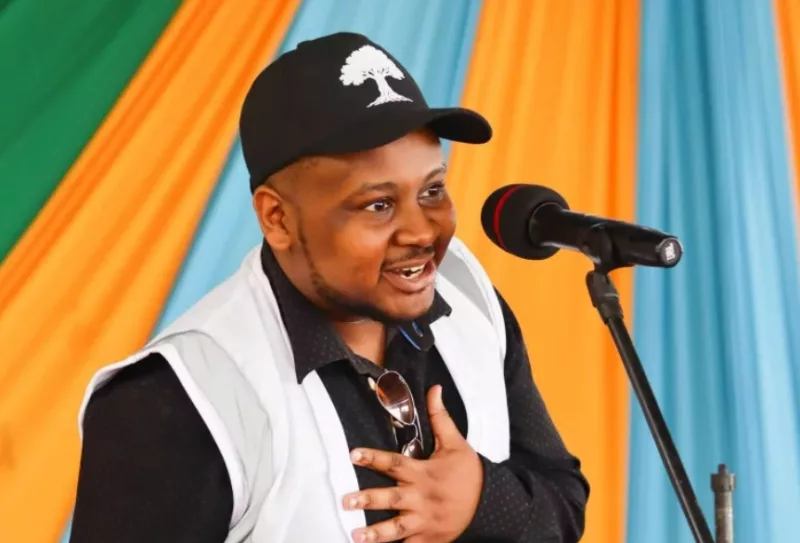
Among those who shared their experiences was Duncan Baraza from Nyalenda in Kisumu, who survived post-election violence.
Baraza said police officers attacked him at his home during the violence, stole his belongings and left him with injuries that took nearly two years to recover from.
He later joined other survivors through IJM and now serves as the assistant organiser of the Kenya Champions of Justice, helping victims organise and pursue justice.
"Our work is to ensure these issues are not forgotten. We continue engaging the government and Members of Parliament to ensure justice is served, and we believe compensation for victims must also be addressed," he said.
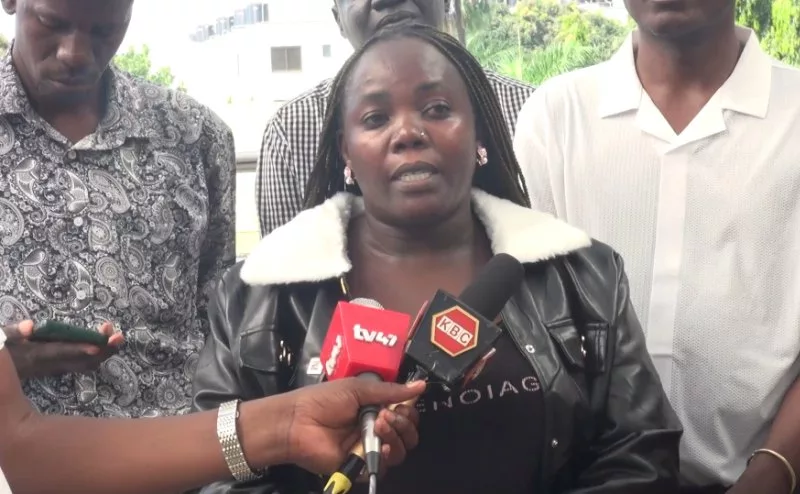
Linda Akoth from Kisumu, who lost her brother during the post-election violence, said joining the survivor movement transformed her understanding of the justice process.
"We realised many people had suffered because of police brutality. Being part of this group has helped me know my rights and understand where to seek justice. Today, I can guide other victims on the offices to approach and the steps they should take," she said.
Kenneth Omondi, a medic from Migori, said fear continues to prevent many victims from speaking publicly about abuses they have suffered.
He urged survivors to come forward and called on the government to strengthen laws governing public order management during demonstrations.
"As we approach another election period, we are already seeing incidents that resemble what happened in the past. We want to use the knowledge we have gained through this training to educate our communities and prevent future violations," he said.
Omondi said police officers must be held accountable for their actions and should operate within the constitution.
The survivors also called for greater recognition that justice extends beyond court judgments to include psychosocial support, meaningful participation in justice processes and opportunities for survivors to rebuild their lives with dignity.