As access to credit continues to expand across Kenya through banks, SACCOs and digital lenders, industry experts are urging individuals and businesses to embrace responsible borrowing and early financial planning to avoid costly debt recovery processes.
The National Association of Kenya Auctioneers (NAKA) says while the country's credit market has become more accessible than ever before, many borrowers are finding themselves under financial pressure due to rising living costs, inflation, business challenges and multiple loan obligations.
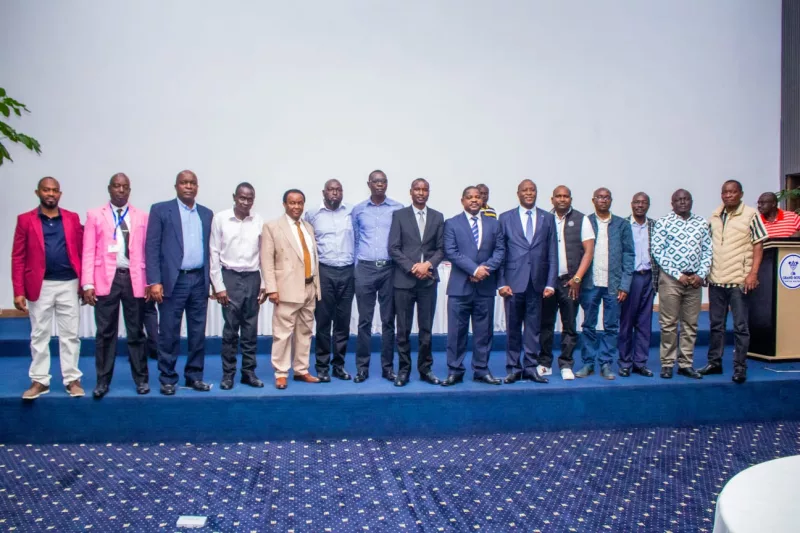
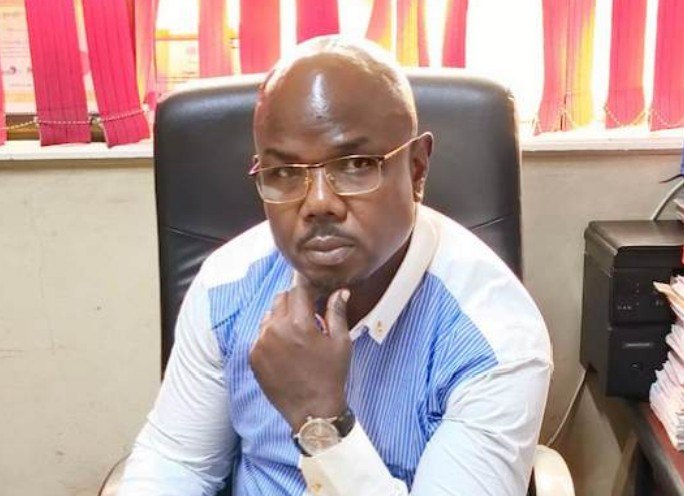
According to Maurice Osundwa, National Chairman of NAKA, Kenya's debt recovery landscape is evolving alongside the country's growing financial sector, with auctioneers increasingly playing a professional legal role that extends far beyond the public perception of repossessions.
"Credit has become an essential driver of economic growth, enabling families to invest, businesses to expand and entrepreneurs to seize new opportunities. However, borrowers must also appreciate the responsibility that comes with credit. Early communication with lenders and proper financial planning remain the best safeguards against debt recovery," Osundwa said.
The expansion of digital lending platforms has transformed the way Kenyans access credit, allowing borrowers to obtain small loans within minutes through mobile phones. At the same time, SACCOs and commercial banks continue to finance larger investments such as homes, motor vehicles, businesses and commercial property.
This growth has significantly diversified the work undertaken by auctioneers.
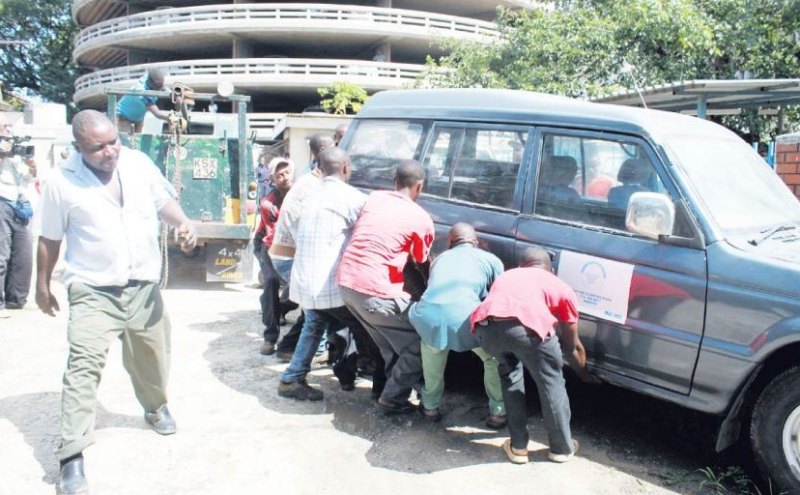
While many unsecured digital loan defaults are first handled through credit reference bureaus and debt collection agencies, auctioneers are increasingly being instructed to recover secured assets financed through banks, SACCOs and financial technology firms. These include motor vehicles, commercial stock, household goods and other assets pledged as collateral.
Osundwa notes that SACCOs remain among the profession's largest clients because many continue to issue loans secured by title deeds, logbooks and guarantor arrangements.
"Digital lending has expanded access to credit across Kenya, while SACCOs and banks continue supporting long-term investments. Our role comes much later in the process, only after legal procedures have been followed and every opportunity has been given for borrowers to resolve their obligations," said Osundwa.
Despite widespread public attention whenever repossessions occur, Osundwa says auctioneers are often misunderstood.
He explains that the profession primarily exists to enforce the law fairly and transparently after all legal requirements have been met. Before any attachment of property takes place, statutory notices are issued, providing borrowers with sufficient time to negotiate, restructure repayments or settle outstanding debts.
Auctioneers also conduct professional valuation of assets, oversee transparent public auctions where necessary and ensure that every stage of the process complies with the Auctioneers Act Cap 526 and court procedures.
"We are officers of the law. Legislation, court orders and strict professional standards guide our work. We are not lenders, and we do not determine who should repay a loan. We simply execute legal instructions within the framework provided by the law," he explained.
However, Osundwa emphasizes that today's financial challenges affect a broad cross-section of society and should not simply be viewed as cases of irresponsible borrowing.
"Many borrowers are hardworking Kenyans facing genuine economic pressures. We are seeing business owners navigating reduced consumer spending, employees managing salary delays and families balancing multiple financial commitments. That is why dialogue and early engagement remain so important," he said.
To protect both borrowers and lenders, Kenya's legal framework provides numerous safeguards throughout the debt recovery process.
Auctioneers are required to issue statutory notices before taking enforcement action, while many recoveries require court-issued warrants.
Borrowers retain the right to challenge recovery proceedings in court, redeem attached assets and seek redress through the Auctioneers Licensing Board where necessary.
Professional ethics also prohibit auctioneers from using force, attaching exempt household goods or conducting non-transparent sales.
According to Osundwa, most debt recovery matters never reach the auction stage because borrowers and lenders often reach agreements after the initial statutory notices are served.
"Our first objective is not to sell property. It is to facilitate lawful recovery while encouraging dialogue between creditors and borrowers.
Many disputes are resolved long before any auction takes place because people choose to engage and find workable solutions," he said.
Looking ahead, NAKA expects Kenya's debt recovery profession to become increasingly technology-driven as lenders adopt better data systems and asset tracking tools while auctioneers strengthen professional training and compliance standards.
The association believes public education will remain essential in helping Kenyans better understand both their rights and responsibilities when accessing credit.
For individuals and businesses, Osundwa offers practical advice ;borrow within your means, understand the terms of every loan agreement, communicate with lenders immediately when financial difficulties arise, respond promptly to statutory notices and seek professional financial guidance before debt becomes unmanageable.
"The best debt recovery is the one that never becomes necessary. Responsible borrowing, open communication and early action create better outcomes for borrowers, lenders and the wider economy. Financial discipline remains the strongest protection against reaching the auctioneer's door," Osundwa concluded.