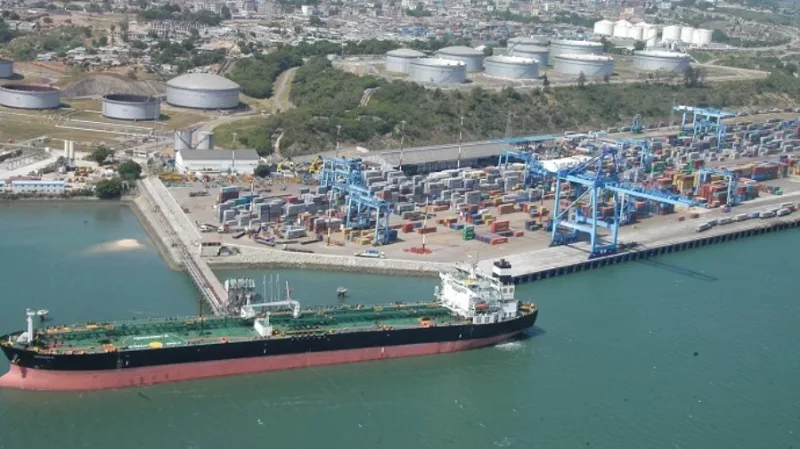
IMPORT-dependent economies, including Kenya, will more from the impact of the disruptions in the Strait of Hormuz, according the UN trade agency.
The challenges include high import costs, inflationary pressure and supply chain disruptions even if the global shipping corridor was to be opened today
The United Nations Conference on Trade and Development (UNCTAD) says the reopening of the strategic waterway will offer relief to global energy markets, but cautions that the economic damage will linger.
This is particularly in developing countries that rely heavily on imported fuel, food and agricultural inputs.
The Middle East conflict triggered one of the biggest energy supply shocks in recent years, with ship transits through the Strait of Hormuz dropping by nearly 95 per cent during the peak of the crisis, disrupting global shipping routes and increasing transport costs.
While there was hope of a free flow of vessels after a near-deal between Washington and Tehran, United States launched fresh strikes last week after three commercial vessels were attacked in the strategic waterway.
It targeted Iranian military assets, including missile sites, drone facilities and Islamic Revolutionary Guard Corps boats.
UNCTAD now says restoring normal trade flows and supply chains will take considerably longer.
"The reopening would pave the way for recovery. But for vulnerable economies, the path can be longer, uneven and costly," the agency said, adding that international support would be needed to strengthen resilience and cushion countries from future shocks.
UN Secretary-General António Guterres warned that the effects of the crisis would continue to be felt long after hostilities ease.
"These shocks will be felt for many months, with developing countries bearing the heaviest impacts. I call on all parties to honour the ceasefire and redouble efforts," he said.
For Kenya, the warning comes as the country's import bill continues to rise, exposing the economy to global commodity price volatility.
According to the Kenya National Bureau of Statistics (KNBS) latest data, total merchandise trade expanded by 15.2 per cent in the first quarter of 2026 to Sh1.05 trillion, compared to the same period last year.
However, imports grew faster than exports, widening the trade deficit to Sh438.1 billion from Sh359.3 billion a year earlier.
Kenya's import bill rose by 17.1 per cent to Sh744.9 billion during the quarter, largely driven by increased spending on petroleum products, food commodities and chemical fertilisers.
The country's expenditure on petroleum imports climbed from Sh123.5 billion in the first quarter of 2025 to Sh143.7 billion in the same period this year, highlighting the economy's continued dependence on imported fuel.
“Chemical fertiliser imports more than doubled to Sh30 billion as demand for agricultural inputs increased ahead of the planting season,” KNBS notes.
Kenya also spent significantly more on imported food. Wheat imports surged from Sh2.4 billion to Sh22.3 billion, while rice imports rose from Sh3.7 billion to Sh21.8 billion during the review period.
The country further increased spending on road motor vehicles, with imports rising from Sh28.1 billion to Sh38.7 billion, while industrial machinery imports grew to Sh86.3 billion from Sh81 billion.
UNCTAD warns that such import-dependent economies remain particularly vulnerable because higher energy prices quickly feed into transport, manufacturing and food production costs, creating persistent inflation even after the original supply shock subsides.
The agency also cautions that rising fertiliser costs, combined with forecasts of a strong El Niño weather pattern, could threaten agricultural production and worsen food insecurity across developing economies.
Kenya has already experienced the effects of imported inflation in recent years whenever global oil prices rise, with higher fuel costs pushing up transport fares, electricity prices and the cost of essential goods.
UNCTAD further notes that many developing countries have limited fiscal space to absorb such shocks due to mounting debt-servicing obligations, declining official development assistance, exchange rate pressures and difficulties accessing affordable financing.
The trade body is urging governments to diversify trade sources, strengthen domestic production and invest in more resilient supply chains to reduce exposure to future geopolitical disruptions.