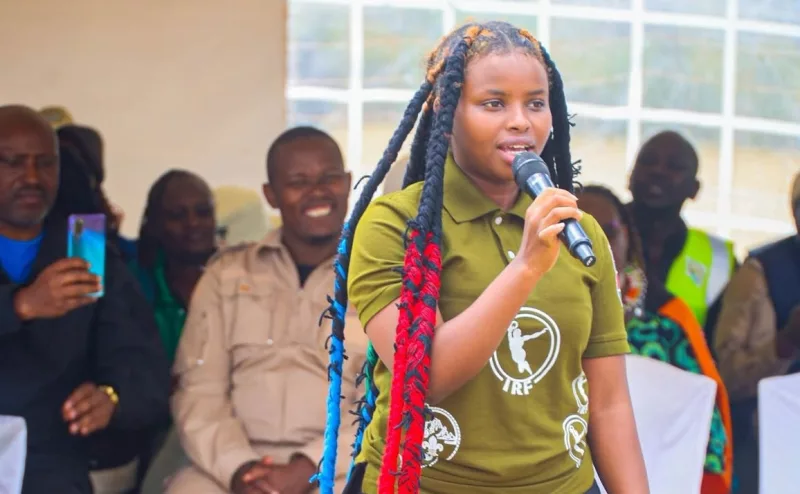
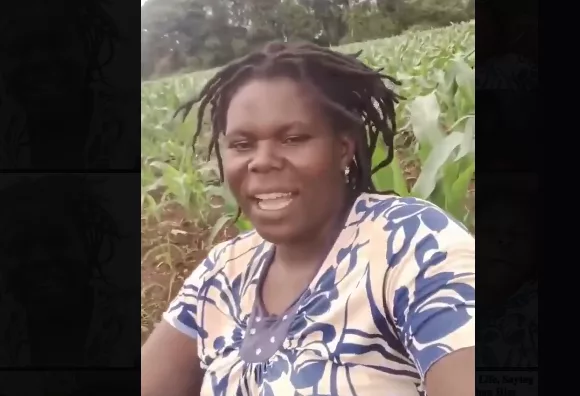
A viral controversy involving Kenyan content creator Sheryl Gabriella has sparked a wider debate about online content, digital fame and the responsibilities that come with growing influence on social media.
The discussion began after videos linked to the influencer circulated online, prompting Nairobi County Chief Officer for Citizen Engagement and Customer Service, Geoffrey Mosiria, to call for an official investigation.

Read Also
He urged authorities to establish the facts before determining whether any Kenyan laws had been breached. He cited provisions of the Penal Code and the Films and Stage Plays Act, arguing that publicly shared explicit material could have wider implications for young audiences.
A light-hearted response
“Lol not my mom calling me to come home so Mosiria won’t arrest me.”
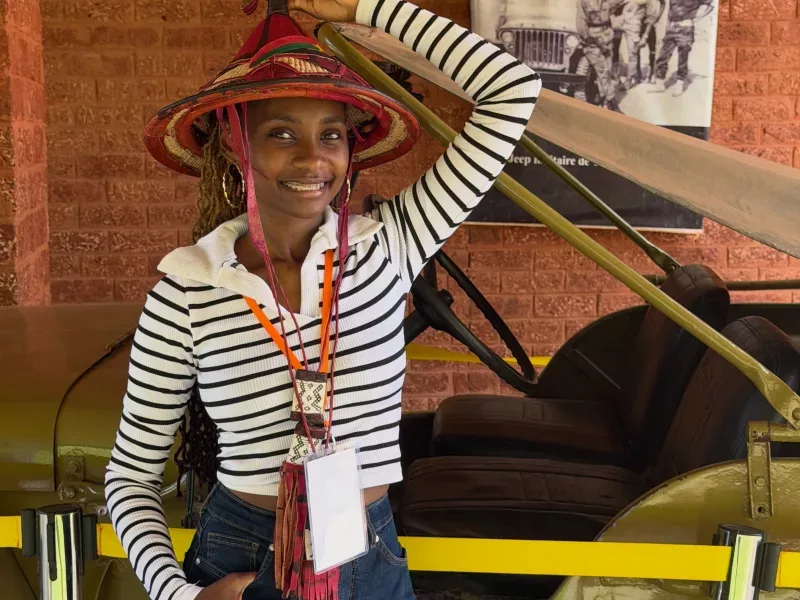
She later joked that the sudden spike in traffic to her social media pages had created an opportunity for businesses to advertise, suggesting the controversy had significantly boosted engagement.
Her response quickly spread across social media, with many users sharing screenshots and memes inspired by the exchange.
Divided public opinion
The incident has generated sharply divided reactions.
Some social media users supported Mosiria’s call for investigations, arguing that creators with large followings should exercise greater responsibility over the content they publish or distribute.
Others maintained that investigations should establish the facts before reaching conclusions. Another group criticised what they viewed as selective enforcement, questioning whether similar attention is given to other forms of harmful content circulating online.
Others defended Sheryl, saying the intense scrutiny reflected the pressures faced by influencers whose personal lives often become public spectacles. The debate has also reopened broader conversations about how young people earn income in the digital economy.
While some critics argued that viral controversies encourage shortcuts to online fame, others noted that content creation has become a legitimate source of income through brand partnerships, advertising and livestream monetisation.
Those opportunities, however, come with intense public scrutiny and reputational risks.
“The issue has become bigger than one creator. It has sparked a national conversation about influence, accountability and the pursuit of online visibility.”
The bigger picture
Kenya has witnessed rapid growth in digital content creation, particularly on platforms such as TikTok, Instagram and YouTube.
While Sheryl Gabriella’s case remains the immediate focus, the wider conversation continues to centre on balancing freedom of expression, responsible content creation and the legal framework governing online platforms.
As investigations have been proposed and public debate intensifies, the story underscores the growing influence of social media personalities and the complex questions that accompany digital fame.