The Kenyan music scene has been rocked by a 48-hour social media storm between two of its biggest stars. Singer Jovial has made a sudden U-turn and issued a public apology to Otile Brown.
The two artists, known for their hit collaborations, spent two days trading accusations over unpaid music royalties.
The dispute began when Jovial went public on Alex Mwakideu's podcast with claims that Otile Brown had failed to pay her percentages from their joint projects.
The fallout quickly turned personal, with both artists taking to Instagram to air their grievances, but has now ended in Jovial throwing in the towel.
The Final U-Turn
The tone of the exchange shifted abruptly when the conversation moved from business to family.
Jovial expressed deep discomfort that her child had become a topic in their public feud. This appears to be the primary reason for her sudden decision to end the hostilities.
"The fact that you brought a child into this... Thats it!".

"I want to take this opportunity to apologise to @otilebrown for the sake of my peace and for the sake of my child getting involved in all this!"
Jovial concluded by stating that her son "doesn’t deserve this" and promised to handle such matters better in the future.
The 150,000 Shilling Dispute
The conflict began with a disagreement over revenue sharing. Jovial claimed that despite their many successful songs together, she had seen very little financial return.
"I only received a cheque once of 150k in March 2023 after I complained!" she revealed.
Jovial accused the "Baby Love" singer of being "mbinafsi" (selfish). She alleged that he preferred to work with "quiet and stupid people" whom he could manipulate. According to Jovial, Otile Brown once told her she would never succeed without him.
Otile Brown’s Defence
Otile Brown did not take the accusations lightly. He responded by detailing the personal support he claims to have provided Jovial in the past. He mentioned paying for her medical expenses during a significant life event.
"Paid for her hospital bills aki jifungua adi nikamtumia magari for a VIP transportation akiwa discharged."
Regarding the music, Otile explained that the industry revenue systems in Africa are often flawed.
He stated that he had not been collecting his own publishing revenue because he lacked education on the matter when he started his career. He noted that many distributors do not respect "split sheets."
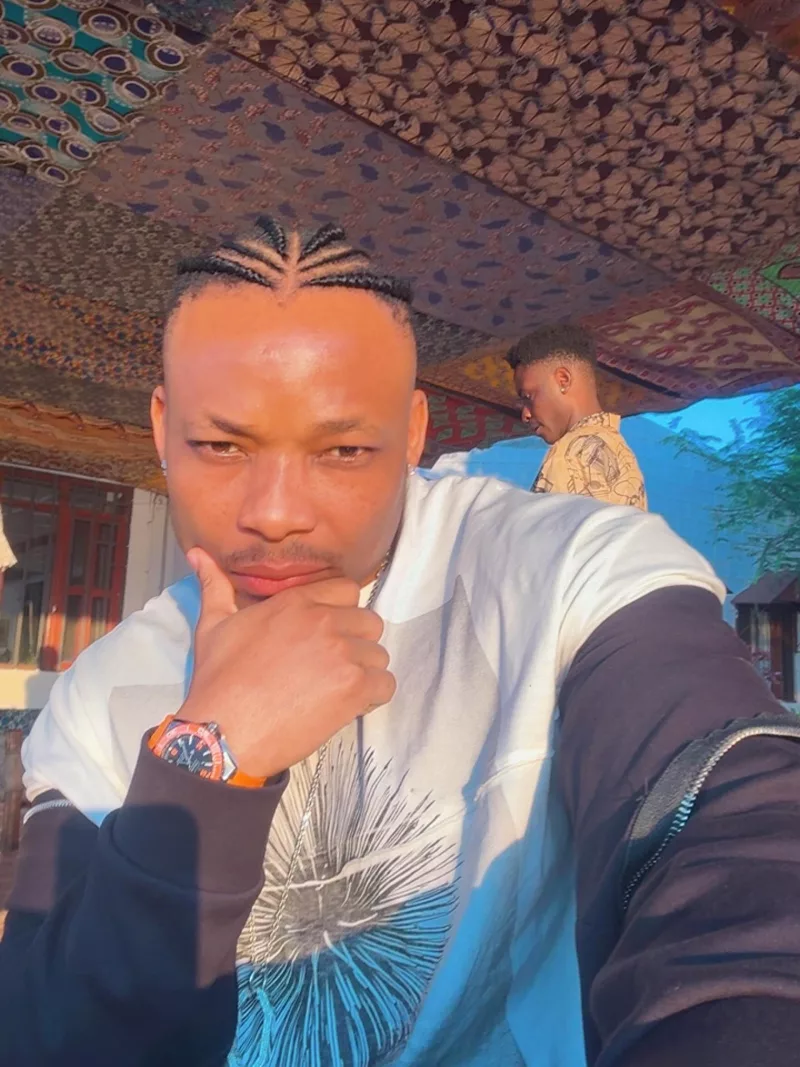
"Uliamua kutoa wimbo wakati mimi sijaridhia, hio ni ishara tosha kwamba hukuheshimu hisia zangu."
The apology brings a quiet end to a row that has highlighted the complexities of music publishing and personal relationships within the Kenyan entertainment industry.