For many people living with HIV, the greatest challenge is no longer the virus itself, it is the way other people respond after learning about their status. Despite major advances in treatment, stigma, discrimination, and misinformation continue to affect relationships, mental health, and quality of life.
“Someone’s reaction is not your responsibility. They might be angry, sad, walk away, or stay silent. Let them.”
Those words come from Ruelle Okeyo, a person living with HIV who says the hardest part of their journey has not been taking medication or attending clinic appointments. Instead, it has been dealing with rejection from people it once trusted.
Read Also
He says they he has lost friends simply because of his HIV status. He also recalled how a romantic relationship ended after he disclosed that he was living with the virus.
“My partner left even though I was taking my medication, attending my clinical sessions, and I was undetectable,” he said.
For him, the emotional pain of being abandoned outweighed the physical demands of managing the condition.
“I dated someone who could not kiss me because I was HIV positive. He thought I could infect him.”
Health experts say such fears are rooted in outdated myths rather than scientific evidence. People living with HIV who take antiretroviral therapy consistently and achieve an undetectable viral load cannot sexually transmit the virus.
Even so, misconceptions remain widespread. Many people continue to believe HIV can be transmitted through casual contact, such as hugging, sharing utensils, or kissing, despite there being no evidence to support these claims.
The burden of stigma
Stigma can discourage people from getting tested, seeking treatment, or disclosing their status to partners and loved ones. Fear of rejection often leaves many living in silence, increasing feelings of loneliness and anxiety.
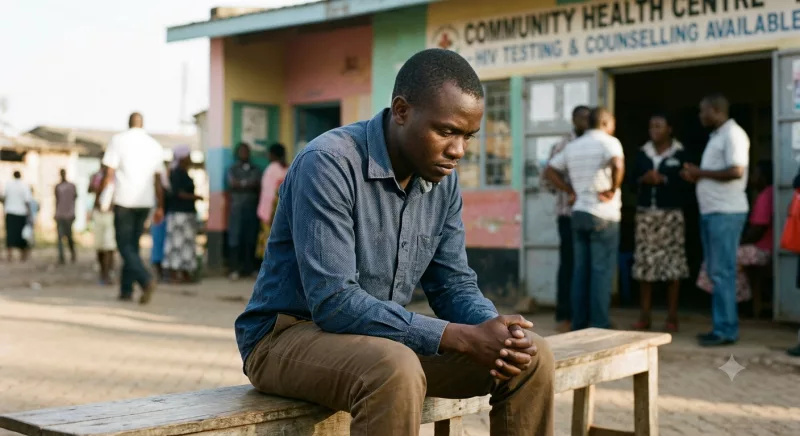
Research has consistently shown that discrimination can have serious consequences for mental health, employment opportunities, and access to healthcare. It also undermines efforts to end the HIV epidemic by creating barriers to testing and treatment.
Looking beyond the diagnosis
For the individual sharing their story, the message is simple. HIV should not define a person’s worth or determine how they are treated.
“People judge the diagnosis before they get to know the person.”
As medical science continues to transform HIV into a manageable condition, many advocates argue that society must now catch up. Ending stigma, they say, is just as important as expanding access to treatment.