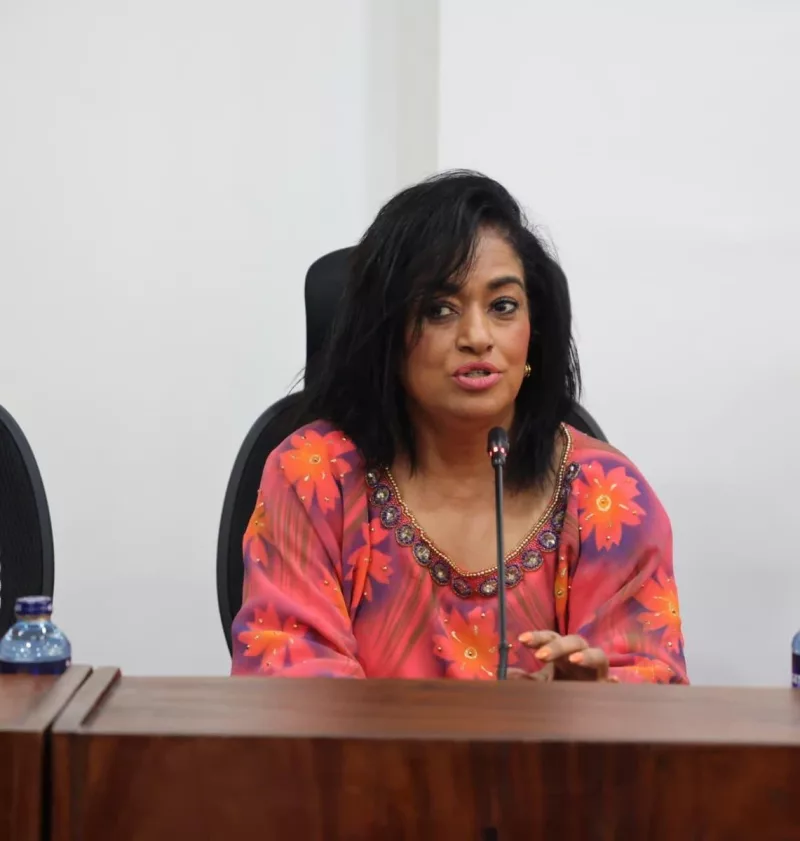
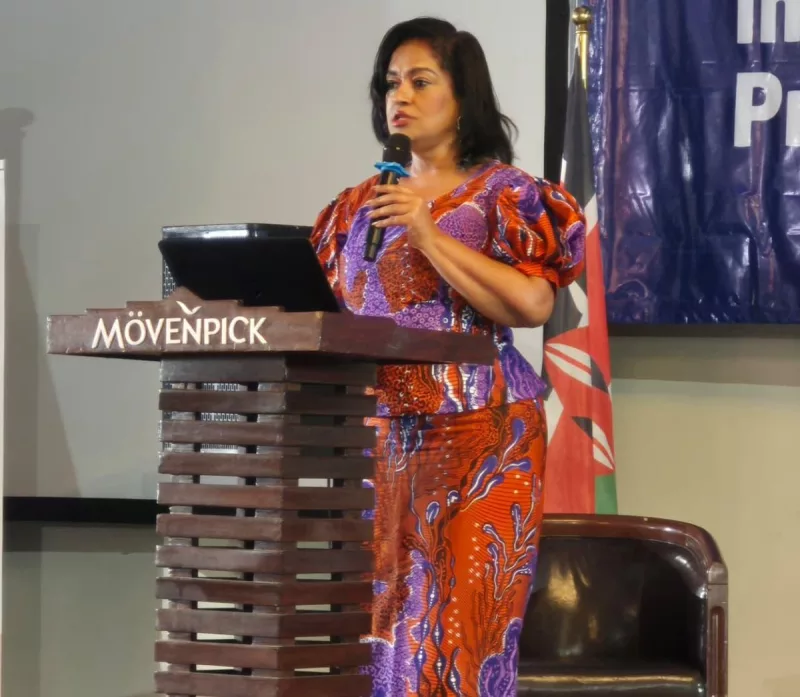
Nairobi Woman Representative Esther Passaris has sparked fresh debate after criticising what she described as the unequal burden women bear when pregnancies occur, while contributing to discussions in the National Assembly over the treatment of pregnant police recruits.
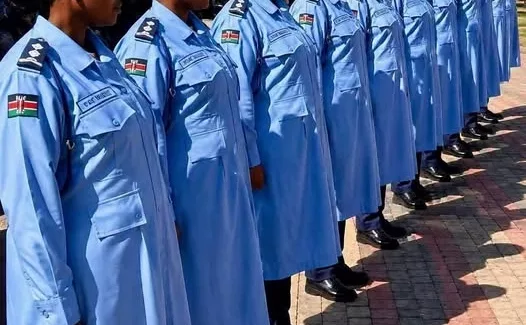
Her remarks came as Members of Parliament debated the controversy surrounding the discontinuation of 18 female recruits from the National Police College in Kiganjo after they were found to be pregnant during mandatory medical screening.
The issue has attracted widespread public attention, with some leaders calling for policy reforms that would allow pregnant recruits to defer their training rather than lose their opportunity to serve.
While addressing the House, Passaris questioned why the focus often falls on women despite pregnancy involving two people.
She suggested that institutions should consider preventive measures, including access to family planning, while also creating pathways for women to resume training after childbirth.
“If it’s not allowed for you to get pregnant and you know women will engage in sex and get pregnant, why not put them on a family planning option throughout the training?”
She added:
Advertisement
Advertisement
“Family planning works 99 per cent of the time, but if it doesn’t work then she cannot continue with the pregnancy because the child can be harmed. But she can be allowed to come back after she has delivered to continue with the training.”
Esther Muthoni Passaris // X
Passaris then turned her attention to men, arguing that responsibility for pregnancy should not rest solely with women.
“Let’s just be civilised. Men are so irresponsible. The consequence of sex is to make a woman pregnant, so if you want to enjoy a woman, enjoy the child. And also, those deadbeat fathers, can you also take responsibility? Those children are yours.”
Debate follows Kiganjo controversy.
The discussion follows the National Police Service’s decision to discontinue 18 female recruits after pregnancy tests conducted shortly after they reported for training returned positive results.
The NPS maintained that none of the recruits conceived while at the college. According to the Service, mandatory medical screening established that the pregnancies existed before the recruits reported for training, making them medically ineligible to continue the physically demanding residential programme.
Police officials explained that recruit training involves strenuous drills, obstacle courses, firearms training and tactical exercises, which could pose health risks to both expectant mothers and their unborn children.
They described the discontinuation as an administrative and medical measure rather than disciplinary action.
Wider conversation on shared responsibility
Passaris’ comments have added another dimension to an already polarised debate, shifting attention beyond recruitment regulations to the question of shared parental responsibility.
While the National Police Service maintains that its current policy is designed to protect the health of recruits and their unborn children, the discussion in Parliament reflects growing calls for policies that safeguard both operational readiness and the rights of women pursuing careers in the security sector.
Esther Muthoni Passaris // X
As the legal and policy debate continues, Passaris’ remarks have reignited conversations about accountability, family planning and the role both men and women play when it comes to the responsibilities that follow pregnancy.