 Climate-smart agriculture /FILE
  Climate-smart agriculture /FILE
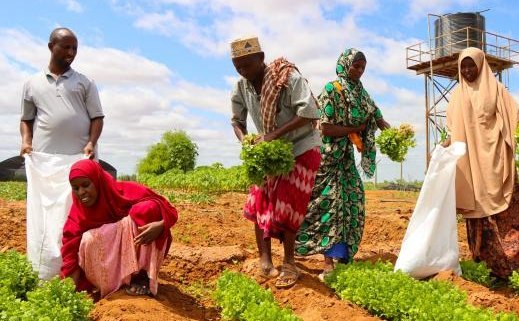
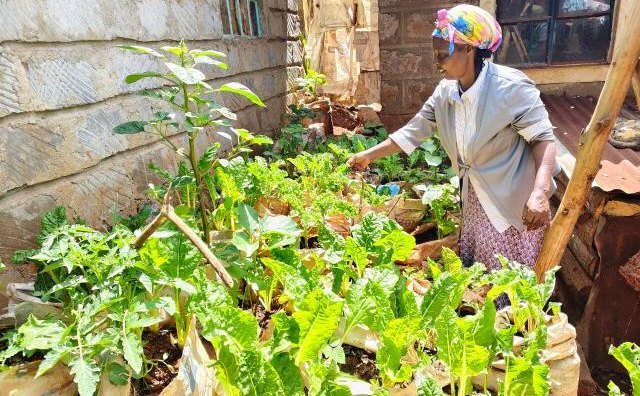
 When the rains failed last season, Kiambu farmer Jane Wanjiku watched her maize crop wither before it reached maturity.
The year before, heavy rains had washed away part of her vegetable farm.
Like thousands of Kenyan farmers, she says the weather has become too unpredictable to rely on experience alone.
"We no longer know when to plant because the seasons keep changing. Sometimes you plant and nothing comes up; other times floods destroy everything," she says.
The government is seeking to support farmers like Wanjiku through a newly launched digital climate reporting platform that will help Kenya better track climate-smart farming, monitor greenhouse gas emissions and guide investments aimed at making agriculture more resilient.
For years, Kenya has collected climate-related information through different reporting systems, making it difficult for policymakers, county governments and development partners to obtain a clear picture of what is happening on the ground.
The new integrated platform changes that by bringing three separate climate reporting tools into a single digital system.
It will monitor the adoption of climate-smart agriculture technologies, estimate greenhouse gas emissions from crop production and assess nature-based solutions that help farmers adapt to climate change.
The platform was unveiled during the ICAT-Supported Closure Workshop on Climate Action Reporting Tools in Nairobi.
It was developed with support from the Initiative for Climate Action Transparency (ICAT) and implemented by the Alliance of Bioversity International and CIAT in partnership with the State Department for Agriculture.
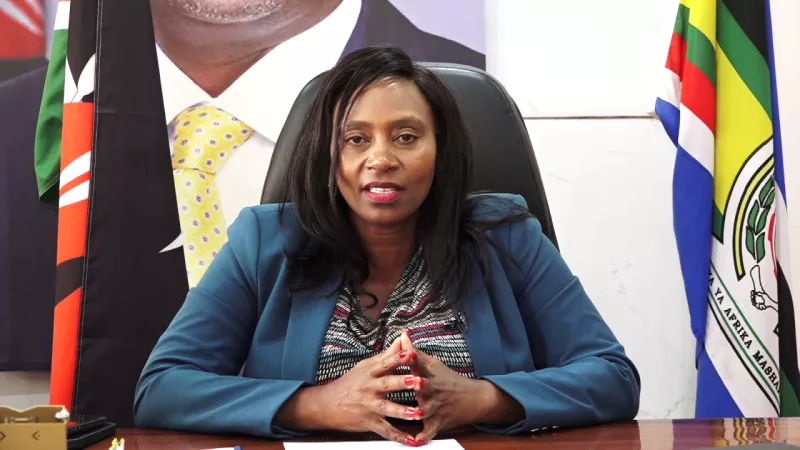
Agricultural engineering secretary in the state department for Agriculture, Laban Kiplangat, said the platform comes at a critical time when climate change continues to threaten Kenya's food production.
He said rising temperatures, prolonged droughts, floods, pests and crop diseases are becoming more frequent, making it increasingly difficult for farmers to sustain production.
In remarks delivered on his behalf by head of climate change Patrick Kibaya, Kiplangat said reliable data is becoming just as important as improved seeds and irrigation in protecting farmers' livelihoods.
"Addressing these challenges requires reliable data, credible reporting systems and sound science to guide investments and policy decisions," he said.
He said integrating the three reporting systems into one platform will improve coordination between the national and county governments while helping Kenya meet local planning needs and international climate reporting obligations under the Paris Agreement.
Kiplangat, however, said technology alone will not solve the problem.
"Tools alone do not create impact. Their value lies in how effectively they are institutionalised, adopted and used by our institutions," he said.
The ministry plans to integrate the platform into existing government systems while strengthening technical capacity and encouraging data sharing to improve planning and service delivery for farmers.
According to Alliance of Bioversity International and CIAT Research team leader Pedro Chilambe, the project was driven by a simple question: how can Kenya effectively measure climate action in agriculture in a way that benefits policymakers, county governments and farmers?
"Each tool was built to address a specific gap. But as we built them, we learned something important: the gaps connect. Farmers and county officers should not have to navigate three separate platforms to tell one coherent story," he said.
The integrated system will simplify reporting, reduce duplication and improve the quality of information used to make decisions on climate investments and agricultural planning.
Chilambe said the project also demonstrates how international research partnerships can support locally owned solutions.
"This partnership represents a model where global research expertise is grounded in national ownership, where the ministry leads and we support, and where the result is a tool that genuinely belongs to Kenya," he said.
ICAT senior programme officer Oleg Bulanyi said agriculture remains one of the most difficult sectors to report on because farming systems and environmental conditions differ significantly across the country.
"This makes the systematic collection of data very complex. But the data is essential for guiding evidence-based policymaking and supporting effective planning for both mitigation and adaptation," he said.
He urged Kenya to strengthen data collection at county and community levels, where most climate interventions are implemented.
"If the information reaches us early and helps us know when to plant or what to grow, then we can protect our farms and feed our families," farmer Wanjiku says.
"That is what matters most."
Instant analysis
The new platform reflects a shift from reacting to climate shocks towards using data to anticipate and manage them. As erratic weather increasingly threatens food production, policymakers require accurate, integrated information to identify where climate-smart farming practices are working and where additional support is needed. Bringing multiple reporting systems into one platform should reduce duplication and improve planning across national and county governments. However, the platform's success will depend on whether the information reaches farmers in time to influence decisions on planting, crop selection and resource management. Ultimately, better data will only deliver results if it translates into practical support for farming communities.