Efforts to protect whistleblowers across East Africa remain
weak, exposing individuals who report corruption to job losses, intimidation
and even threats to their lives, stakeholders heard during a regional forum in
Nairobi on Tuesday.
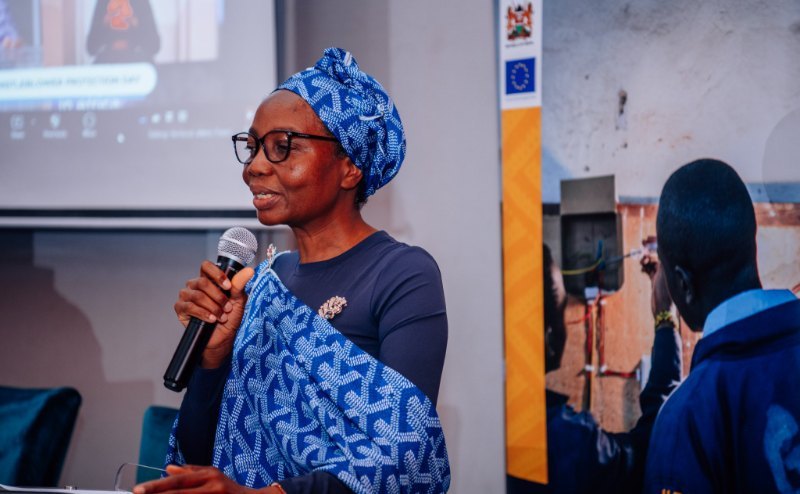
The forum, organised by Transparency International Kenya
(TI-Kenya) to mark World Whistleblowers Day, brought together lawmakers,
anti-corruption agencies, civil society groups and development partners from
Kenya, Uganda, Tanzania and Rwanda.
The event also launched nominations for the National
Integrity Actions Awards 2026 and renewed calls for the speedy enactment of
Kenya's Whistleblower Protection Bill, 2025.
A regional study commissioned by TI-Kenya found that
whistleblower protection remains the weakest area in the implementation of the
African Union Convention on Preventing and Combating Corruption across the four
East African countries.
Although Kenya, Rwanda, Uganda and Tanzania have legal
provisions aimed at protecting whistleblowers, the study found that many people
who report wrongdoing continue to face serious retaliation.
African Union Advisory Board Against Corruption executive secretary
Charity Hanene Nchimunya said whistleblower protection is still not guaranteed
across much of Africa.
"In many parts of the continent, those who speak out
face retaliation, job loss and threats to their safety, with some paying with
their lives," she said.
Nchimunya noted that while regional and international
anti-corruption frameworks exist, implementation remains weak due to
legislative gaps, poor enforcement and social stigma.
Christine Saru, Africa Economic Justice programme manager at
Diakonia, said protecting whistleblowers is critical in tackling corruption and
illicit financial flows that deprive governments of revenue needed for public
services and development.
She said stronger legal and institutional reforms were
needed to encourage people to report corruption without fear.
The latest Corruption Perceptions Index highlights the
challenge facing the region.
Sub-Saharan Africa recorded the lowest global average score
of 32 out of 100, with only four of 49 countries scoring above 50.
United Nations Office on Drugs and Crime representative
Njahira Karanja said many countries are increasingly prioritising whistleblower
protection, with governments frequently seeking technical support to strengthen
their legal frameworks.
She noted that whistleblowers often face workplace retaliation,
including dismissal, demotion, denial of promotion, harassment and
intimidation.
Participants cited the experiences of whistleblowers such as
the late David Munyakei, who exposed the Goldenberg Scandal and later lost his
job, and former National Land Commission official Jennifer Wambua, who died
while serving as a state witness in a fraud case.
The forum adopted an outcome statement that will be
presented to the UNODC East Africa Anti-Corruption Platform Working Group on
Whistleblower Protection.
Stakeholders urged Parliament to fast-track the Whistleblower Protection Bill, saying stronger legal safeguards are necessary to encourage more people to expose corruption without fear of reprisals.