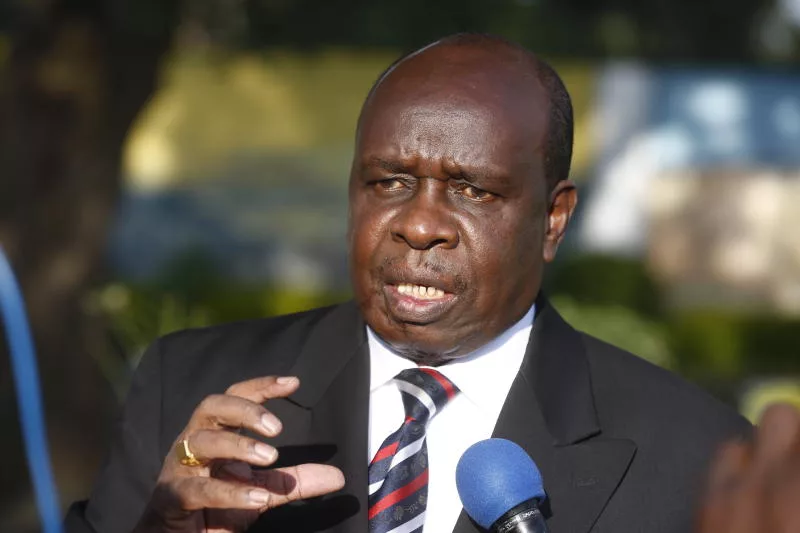
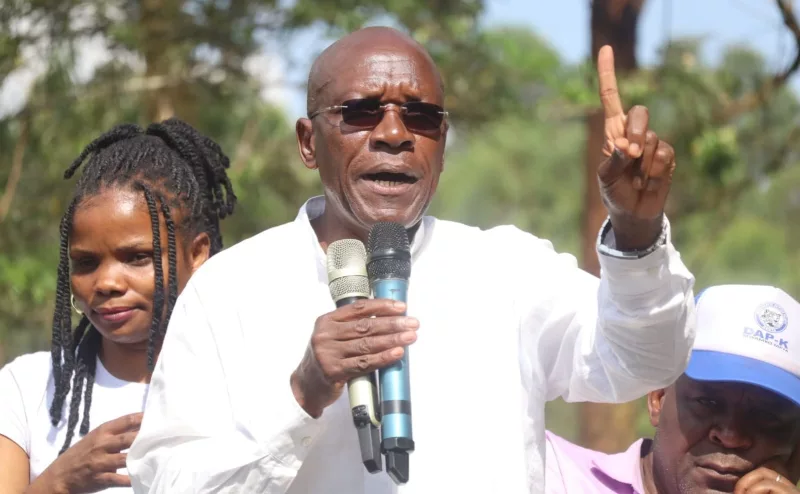
Mombasa County Commissioner Mohammed Nur has dismissed viral claims that men in Mombasa are mysteriously losing their private parts, describing the reports as false and urging residents to stop spreading unverified information.
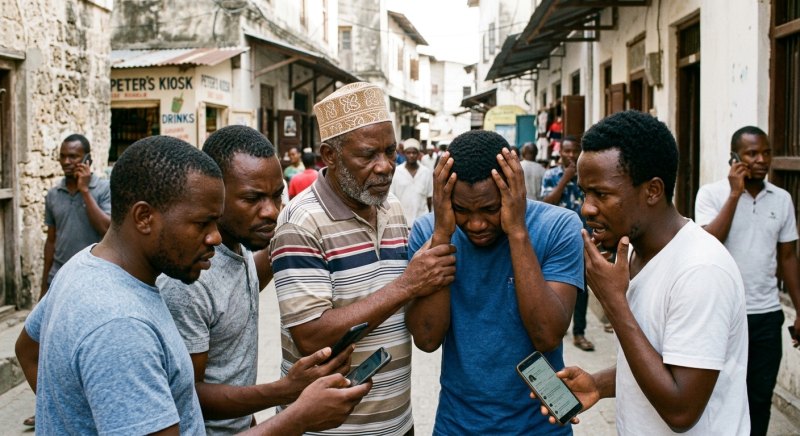
The rumours gained momentum on social media platforms, where users shared alarming messages claiming that several men had fallen victim to unexplained incidents across the county.
Speaking to the public, Nur said there were no confirmed cases reported to security agencies or health authorities.
Read Also
He warned that the circulation of false information could create unnecessary fear and panic among residents.
“Residents should avoid spreading unverified information that may cause anxiety and disrupt public order,” he said.
The county commissioner urged members of the public to rely on official communication channels for accurate information instead of social media rumours.
Social media reacts with humour.
Despite official assurances, the rumours triggered a wave of humorous reactions online.
Many users created jokes, memes and satirical posts, while others expressed concern over how quickly false information spreads.
Toxic_lyrikali_updates:Watu wanaibiwa mjulus mombasa😂😂😂
nasty_elite_ke:Nilikua ni ende summertides Lakini Nikakubuka na wezaibiwa mjulus yangu niki swim uko Kwa beach 😂
nimrodnick:Ain’t no way💀💀😂😂😂what can’t you expect from Kenya bro 💀💀🙆🏿♂️🙆🏿♂️😂
kingblkyczn:Mombasa inabidi utembee ukiangalia kama bado stakabadhi ziko... Dangerous times
Some questioned why people were quick to believe unverified stories, while others called for greater digital responsibility.
An old incident resurfaced online.
As discussions intensified, many internet users linked the claims to a separate incident that occurred in 2022 involving a 48-year-old man from western Kenya.
According to doctors at Moi Teaching and Referral Hospital (MTRH), the man amputated his own penis with a kitchen knife following a disagreement with his wife.
Medical experts said the patient, who had schizophrenia, was brought to the hospital after the organ had been separated from the body for approximately 16 hours.
Doctors were unable to reattach it because it had been poorly preserved and arrived too late for successful replantation.
Dr Dennis Kipkemoi, a surgeon who documented the case, said timing is critical in such emergencies.
Medical research shows that reattachment is generally unlikely if an organ remains detached from the body for more than 12 hours.