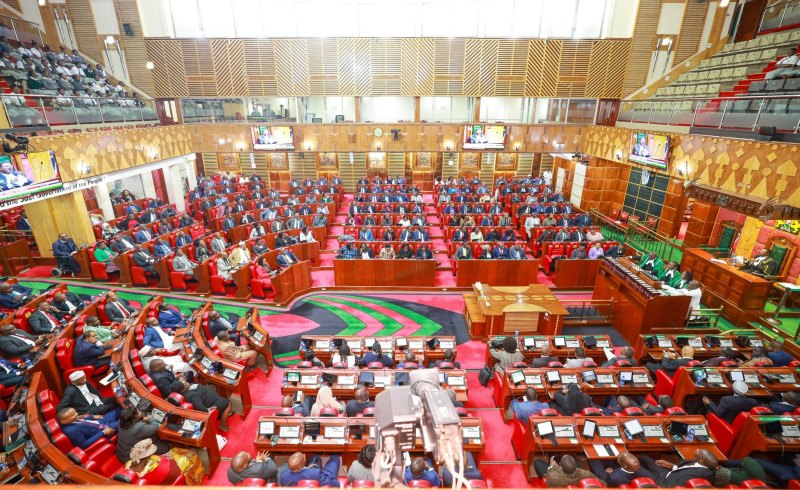
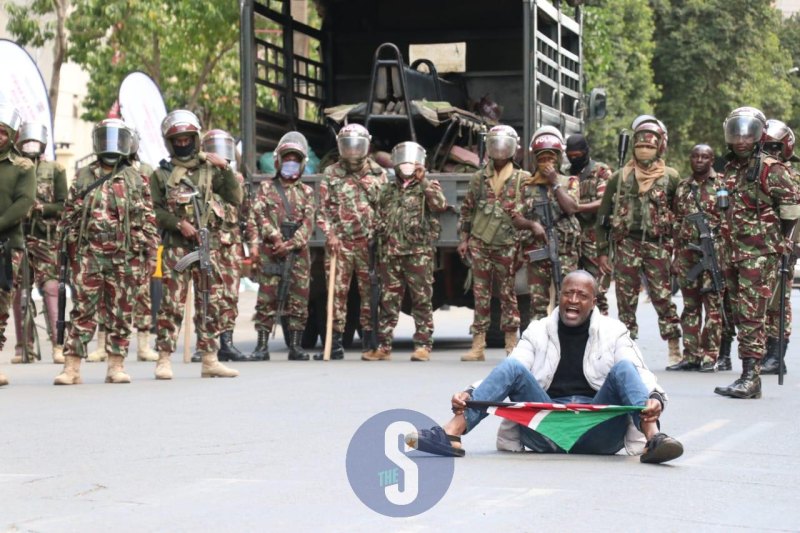
 Police in action during a past protest/FILE
Human rights organisations have issued a seven-point demand to the National Police Service (NPS) ahead of the planned June 25 Gen Z memorial processions, urging officers to facilitate peaceful demonstrations and avoid the mistakes that have previously resulted in deaths, injuries and allegations of human rights violations.
The advisory, released on Wednesday by the Law Society of Kenya (LSK) and the Police Reforms Working Group, comes a day before nationwide memorial processions organised by Gen Z activists and other citizens to commemorate those who died during the June 2024 anti-government protests.
The groups said the planned processions are protected under Article 37 of the Constitution, which guarantees the right to assemble, demonstrate, picket and present petitions peacefully and unarmed.
“The National Police Service is reminded that its primary role is to facilitate and protect the exercise of this right,” the organisations said.
The groups noted that protest notifications are intended to assist with coordination and public safety and should not be treated as requests for permission.
In the advisory, the organisations outlined seven key guidelines they said should govern police conduct during Thursday's memorial events.
First, police were urged to facilitate peaceful memorial processions and guarantee the safety of participants and bystanders. The groups stressed that individuals taking part in remembrance activities should not be dispersed, harassed or arrested for exercising their constitutional rights.
Secondly, police commanders were reminded of their command responsibility, with the advisory warning that senior officers could be held accountable for violations committed by officers under their supervision. It also called for all deployed officers to be clearly identifiable.
The third guideline focused on the use of force. The organisations said force should only be used when lawful, necessary and proportionate, and only as a last resort. They urged police to prioritise dialogue and de-escalation and warned against the use of live ammunition, rubber bullets, tear gas or water cannons against peaceful demonstrators.
The fourth advisory concerned the media, with the groups calling for journalists and media workers to be protected and allowed to report freely.
“The State must refrain from any interference with media operations, internet access, or live coverage, as these would constitute unlawful restrictions on freedom of expression and access to information,” the statement said.
The organisations further urged police to ensure medical personnel, first responders and human rights observers are granted safe access and protected while carrying out their duties.
They also outlined standards for arrests, stating that any arrests must be lawful, targeted and based on individual responsibility rather than collective punishment.
Arrested persons, they said, must be informed of the reasons for arrest, granted access to legal counsel and presented before a court within 24 hours.
The final guideline called for immediate reporting of any deaths or serious injuries to the Independent Policing Oversight Authority (IPOA), with the police expected to preserve evidence and cooperate fully with oversight investigations.
The advisory comes amid heightened attention on Thursday's memorial processions, which have been framed by organisers as acts of remembrance for victims of last year's demonstrations and continued calls for accountability.
The organisations warned that previous responses to protests had been characterised by excessive force, unlawful arrests, attacks on journalists and obstruction of medical assistance.
“Public order and human rights are not mutually exclusive,” the groups said.
“As Kenyans gather to remember those who lost their lives and demand accountability, we call on all parties to uphold fundamental freedoms and ensure there is no excessive use of force, violence and further loss of life.”