Read Also
Turkana Governor Jeremiah Lomurukai has opposed the ongoing disarmament exercise in his county, claiming it is targeting innocent residents rather than illegal firearm holders.
The governor alleged that respected religious leaders were among those being harassed by security agencies over claims that they possessed illegal firearms.
“This is not a disarmament exercise but political persecution against certain individuals, including those known to be supporters of the government,” Lomurukai said.
He demanded that the operation be halted and security personnel currently deployed in the region withdrawn.
“The disarmament exercise is biased and targeted against innocent people. We demand that it be stopped to avoid exposing residents to unnecessary suffering,” he said.
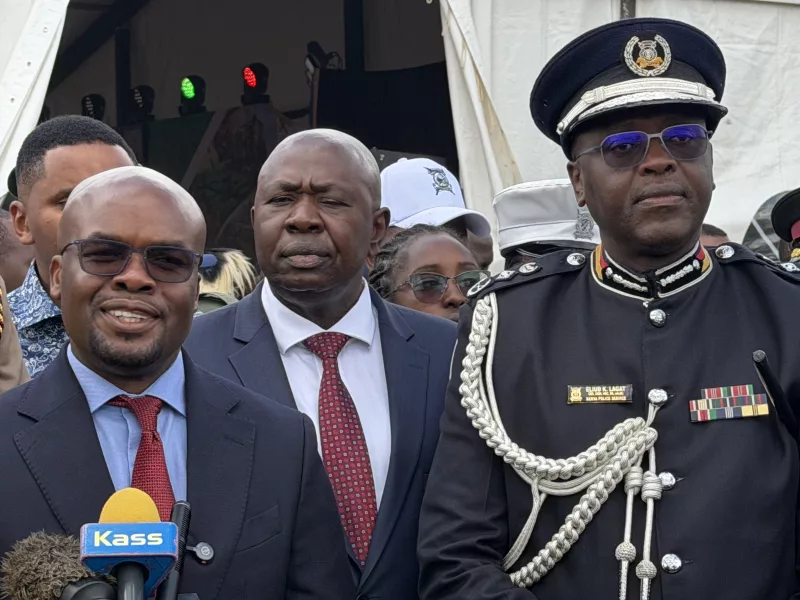
Lomurukai spoke during a church service at Kapsang in Uasin Gishu county attended by Deputy President Kithure Kindiki, as well as governors Stephen Sang (Nandi), Wisley Rotich (Elgeyo Marakwet) and Jonathan Bii (Uasin Gishu).
The governor appealed to Kindiki to intervene and convey to President William Ruto the concerns of Turkana residents over the operation.
“I have to say it here because it is rare to get an opportunity to raise such issues in the presence of a senior leader like the Deputy President. Please help us protect innocent people being targeted in Turkana,” he said.
Lomurukai claimed that one of those affected was a prominent cleric who serves as a secretary of a national religious organisation and is also a strong supporter of President Ruto.
Despite his objections to the exercise, the governor said leaders from the region fully support government efforts to restore peace and security in North Rift counties that have long been affected by banditry.
The disarmament campaign has been spearheaded by Interior Cabinet Secretary Kipchumba Murkomen, who has led security operations across the region.
Authorities say voluntary disarmament has so far resulted in the surrender of more than 500 illegal firearms.
Most of the weapons were handed over in the Kerio Valley, where hundreds of young people previously involved in banditry have reportedly surrendered and enrolled in rehabilitation programmes.
However, in parts of Turkana, security agencies have resorted to forced disarmament after many individuals failed to take advantage of an amnesty allowing them to surrender their weapons voluntarily.
Kerio Valley, once notoriously known as the “Valley of Death” because of persistent bandit attacks, is now undergoing significant transformation following intensified security operations and the resumption of development projects.
Murkomen has attributed the progress to a new security approach that has enabled communities to reclaim normal life and reopened the area to development programmes that had stalled for years.
For decades, residents lived under the constant threat of violence, with insecurity contributing to widespread poverty and limited access to essential services such as roads, healthcare, electricity and water.
Government officials link the improved security to the voluntary surrender of hundreds of illegal firearms and increased cooperation between residents and security agencies.
The exercise has also encouraged some young people who had engaged in banditry to abandon criminal activities and embrace rehabilitation and alternative livelihoods.
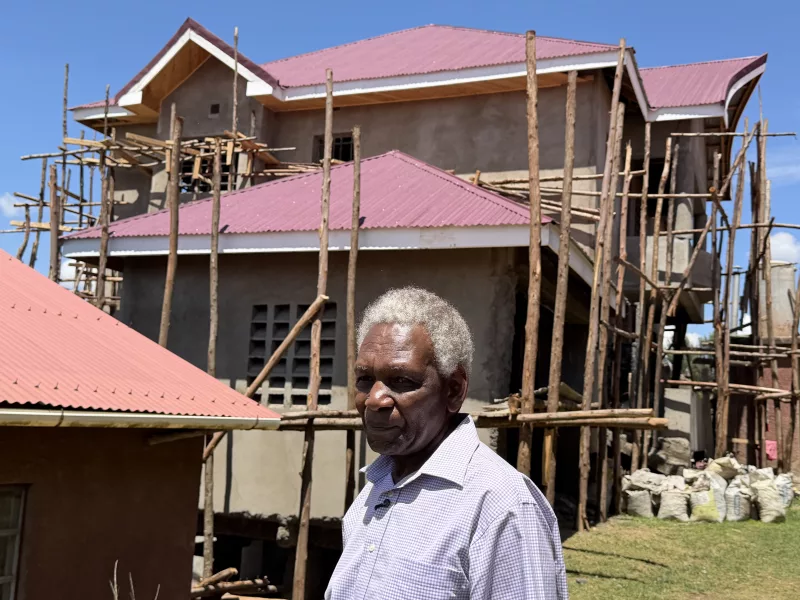
“We lived like birds, always on the run and dodging bandits. There was no life here,” said Paul Yator, a resident of Tot who now earns a living as a mango farmer.
He said he returned home and resumed farming after security improved in the area.
Elgeyo Marakwet Governor Wisley Rotich said the return of stability has revived economic and social activities that had ground to a halt because of insecurity.
He noted that markets, schools, hospitals and public development projects that were abandoned due to bandit attacks are gradually becoming operational again.
Human rights activist Paul Boit said the current strategy has achieved greater success than previous interventions because it is intelligence-led and involves local communities.
Boit said public engagement forums have enabled residents to identify armed criminals and facilitate the surrender of illegal weapons.