Young people across cities like Nairobi are increasingly feeling the pressure to present a lifestyle online that does not match their real financial situation.
On platforms such as Instagram, TikTok and Snapchat, carefully curated images of luxury holidays, designer clothes and expensive nights out have become a daily backdrop. Behind the posts, however, many are struggling to keep up.
The wider conversation around this issue remains consistent: social media is shaping how success is defined, often unrealistically.
Pressure to perform online
Read Also
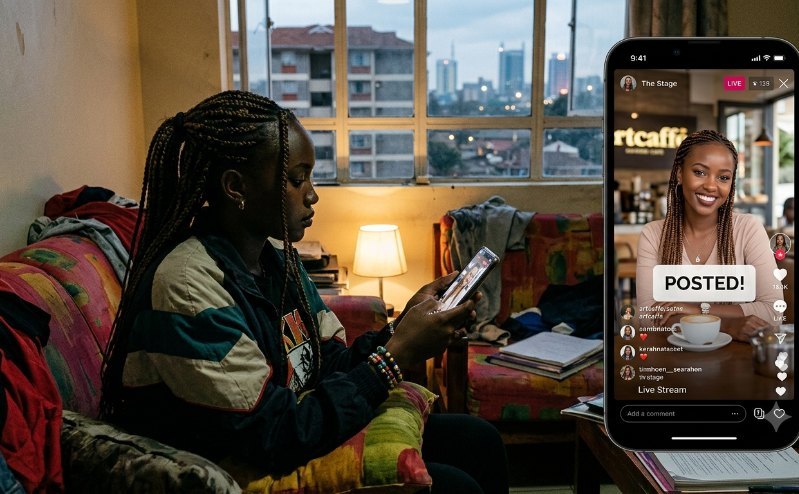
For many young users, social media is no longer just a space for connection. It has become a stage. Appearance matters as much as reality.
“If you are not posting something impressive, it feels like you are invisible,” one young user shared in a widely reported sentiment echoed across online discussions.
This pressure is intensified by influencers and celebrities who display highly polished lifestyles. A report by the UK-based charity Common Sense Media has noted that constant exposure to idealised content can increase anxiety and comparison behaviours among young people.
Living beyond means
To maintain appearances, some young people admit to spending beyond their budgets. This includes borrowing money for outings, renting outfits for photos, or taking short-term loans to fund lifestyle content.
“It’s not even about enjoying life anymore. It’s about making it look like you are,” a student in said in a regional youth survey conducted by digital wellbeing researchers.
Financial experts warn that this behaviour can lead to long-term debt habits formed at an early age. The pressure to “keep up” is often fuelled by likes, comments and follower counts, which are increasingly seen as measures of success.
Psychological toll
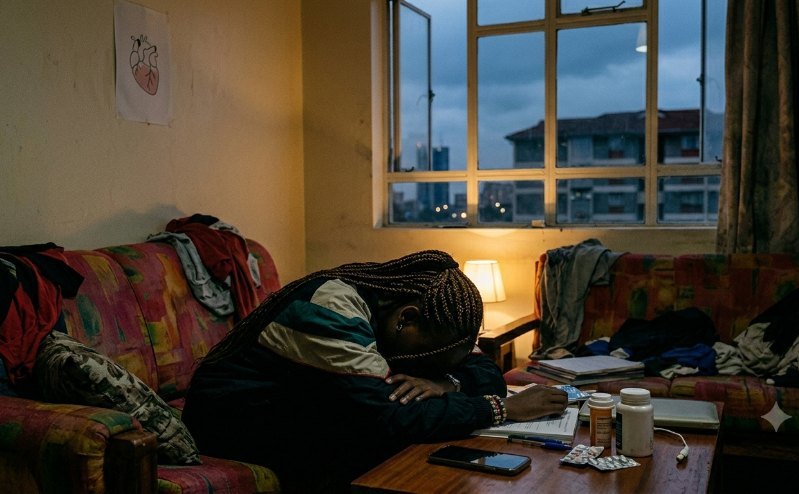
Mental health professionals have linked this constant comparison culture to rising levels of stress, low self-esteem and anxiety.
The World Health Organisation has previously highlighted that social isolation and digital overuse can negatively affect young people’s mental well-being.
Calls for awareness
Educators and mental health advocates are calling for more digital literacy education to help young people understand the curated nature of online content.
As one counsellor put it: “Young people need to know that what they see online is often edited, staged, or filtered. It is not real life in full.”
The debate continues, but one thing is clear: the pressure to appear successful online is reshaping how a generation defines success, often at a personal cost.