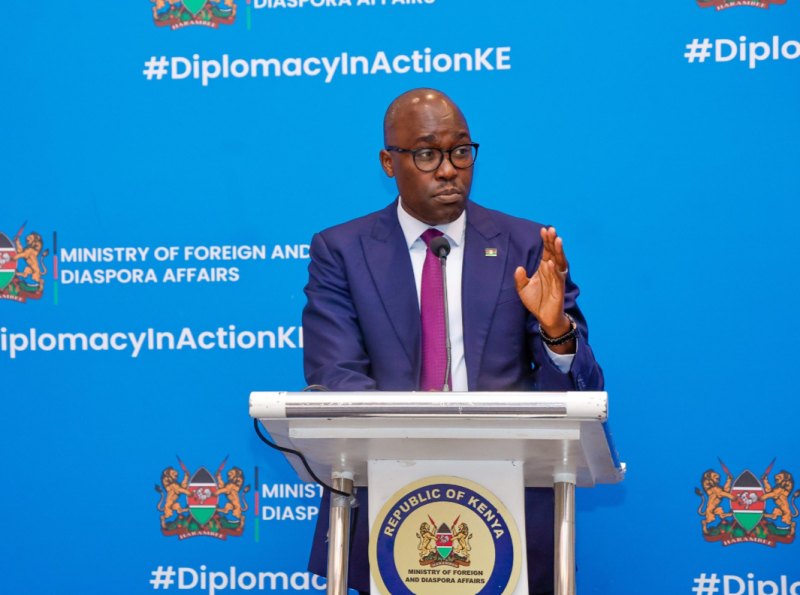
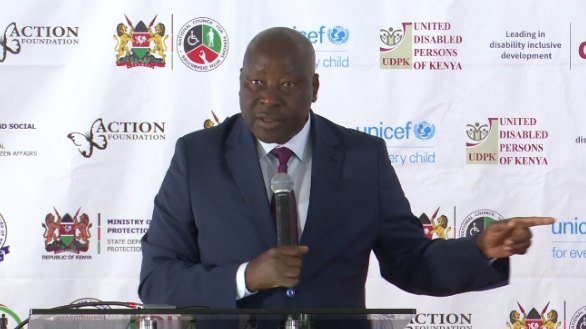
 Social Protection Principal Joseph Motari./HANDOUT
The government has launched a new Community-Based Inclusive Development (CBID) Manual, Awareness Booklet and Strategic Framework 2026–2030 in a major step aimed at improving the lives of persons with disabilities through community-driven inclusion and access to services.
Social Protection Principal Secretary Joseph Motari, who spoke during the launch, said the framework marks a significant milestone in the country's efforts to build an inclusive society where persons with disabilities can participate fully and equally in all aspects of life.
“This event marks an important milestone in our collective efforts to build an inclusive society where every person, regardless of disability, can participate fully and equally in the community,” Motari said.
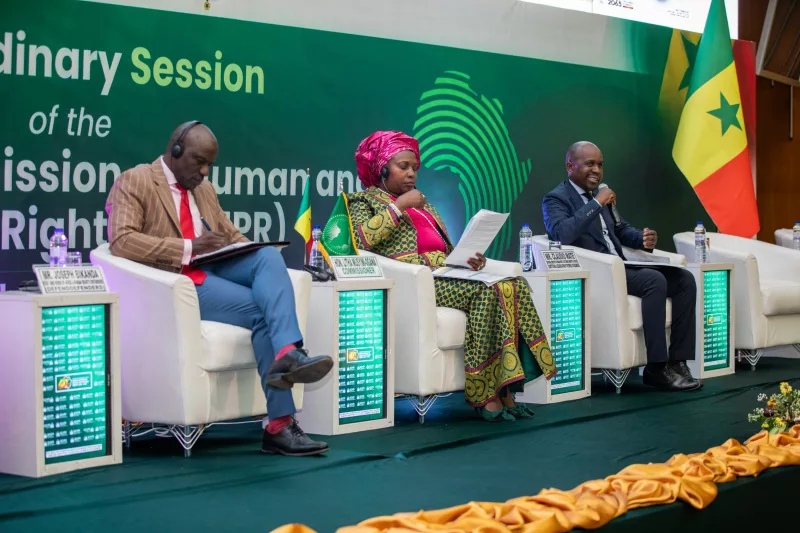
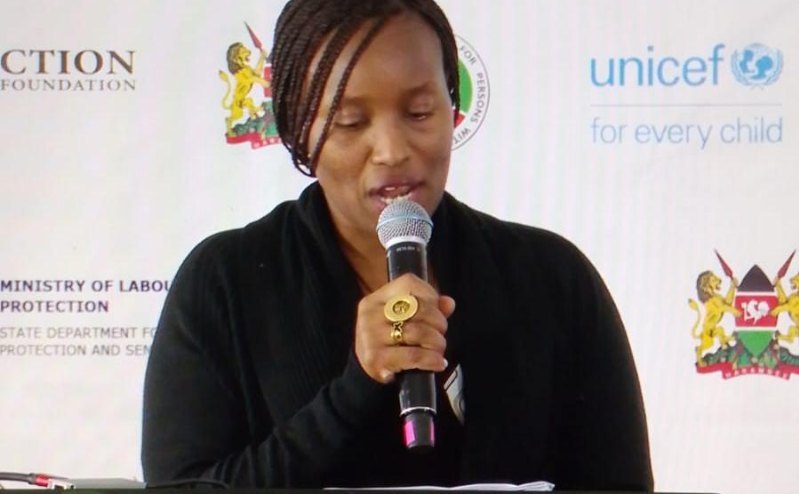 United Disabled Persons of Kenya CEO Sally Nduta/HANDOUT
He noted that the achievement demonstrates the power of partnerships among government agencies, development partners, organisations of persons with disabilities and community stakeholders.
“Community-Based Inclusive Development is a commitment to ensuring that persons with disabilities are empowered to participate fully in all aspects of community life. Our communities must become places where diversity is valued, barriers are removed and everyone is included,” he said.
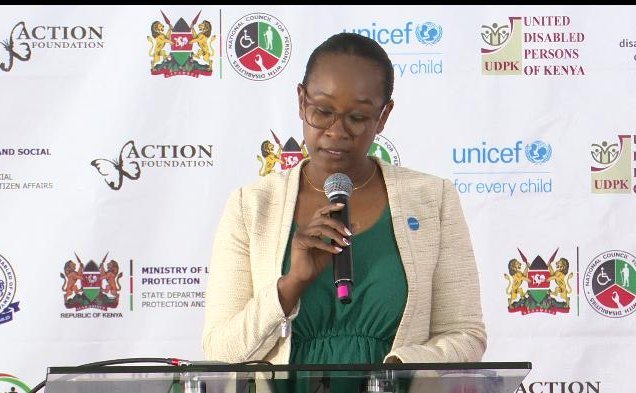 UNICEF Social Policy Specialist Susan Momanyi./HANDOUT
Motari added that the newly launched framework provides a practical roadmap for inclusion, emphasising the importance of involving persons with disabilities from the planning stage through to the implementation and evaluation of projects.
“When you plan with them, when you implement with them and when you conduct feasibility studies with them from the beginning, the outcomes become more inclusive and sustainable,” he said.
UNICEF Social Policy Specialist Susan Momanyi said the value of the CBID approach lies in its focus on people where they live, rather than relying solely on national policies or isolated interventions.
“From UNICEF’s perspective, the value of CBID is precisely that it starts where people live. It recognises that inclusion is not achieved only through national policies or ad hoc services,” Momanyi said.
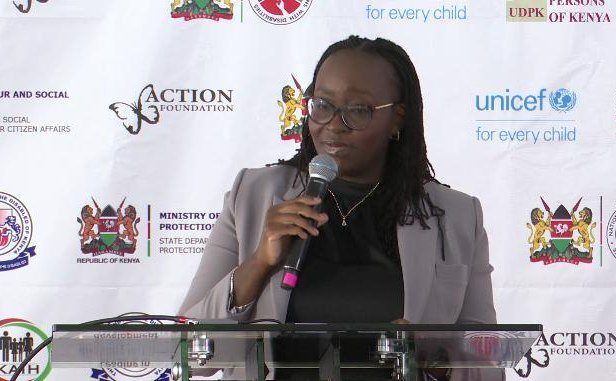 The Action Foundation Founder & Executive Director Maria Omare /HANDOUT
“The promise of CBID is to connect the strength and reach of government systems with the knowledge, proximity and energy of communities, OPDs and families. It is not about creating parallel disability projects, but making existing systems work better together,” she said.
Momanyi observed that children and young people with disabilities often face fragmented systems when seeking support and that CBID offers an opportunity to create integrated pathways that bring services closer to families.
“Kenya has an opportunity to build more integrated pathways so that children and their caregivers can access support earlier, closer to home and across sectors,” she said.
She revealed that UNICEF has committed resources to supporting the implementation of the framework and strengthening systems that connect disability registration, assessments and service delivery.
United Disabled Persons of Kenya (UDPK) Chief Executive Officer Sally Nduta described the launch as a critical step in translating national and global disability commitments into practical action at the community level.
The Action Foundation Founder and Executive Director Maria Omare said the framework will help expand disability inclusion efforts across the country.
“We have identified more than 3,000 children and young people with disabilities and impacted many lives. This framework gives us a shared roadmap and shows that inclusion is not only the responsibility of specialists, but also of community leaders, teachers, caregivers and local structures,” Omare said.
Stakeholders expressed optimism that the framework will strengthen collaboration between the government, counties, civil society organisations and development partners in ensuring that persons with disabilities enjoy equal opportunities, access services and live with dignity within their communities.