It does not arrive with loud sirens or crowded headlines every day, yet it quietly continues to reshape lives. HIV remains one of the country’s biggest public health challenges, and new figures are raising concern, particularly among young people.
According to data shared by health authorities, Kenya recorded 13,936 new HIV infections in 2026, with children, adolescents, and young people accounting for the majority of the new cases.
The data shows that young people aged 15 to 24 recorded 4,321 new infections, while children aged 0 to 14 accounted for 3,396 cases.
Read Also
Overall, youth and young adults aged 15 to 39 made up 62 per cent of all new HIV infections reported during the year.
Health authorities also reported that at least 1.48 million Kenyans are currently living with HIV, while 19,434 AIDS-related deaths were recorded during the same period.
Nairobi Among High-Burden Counties
Nairobi was listed among the country’s high-burden counties alongside Homa Bay, Kisumu, Siaya, Migori, Busia, Kakamega, Mombasa, Kiambu, and Nakuru.
The figures sparked conversations during the Maisha Sherehe Friday show on Radio Maisha, where presenters discussed the growing concern around infections among young people.
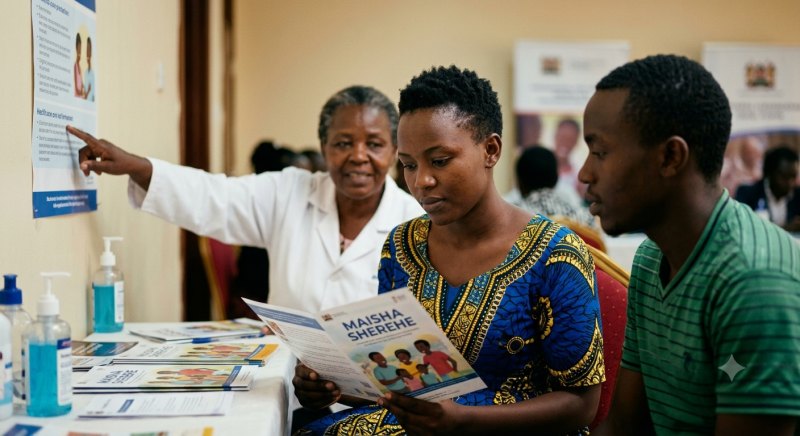
The discussion also highlighted the need for greater awareness, especially among young adults, who remain among the most affected groups.
Mother-to-Child Transmission Declining
Health Cabinet Secretary Aden Duale said Kenya has made significant progress in reducing mother-to-child transmission.
Health experts have repeatedly noted that preventing mother-to-child transmission remains one of the country’s major achievements in recent years.
However, they also warn that infections among adolescents and young adults remain a significant challenge.
A Call for Prevention
The latest figures have renewed calls for young people to prioritise their health and make informed decisions.
Public health campaigns continue to encourage regular HIV testing, open conversations about sexual health, and the normalisation of using protection to reduce the spread of infections.
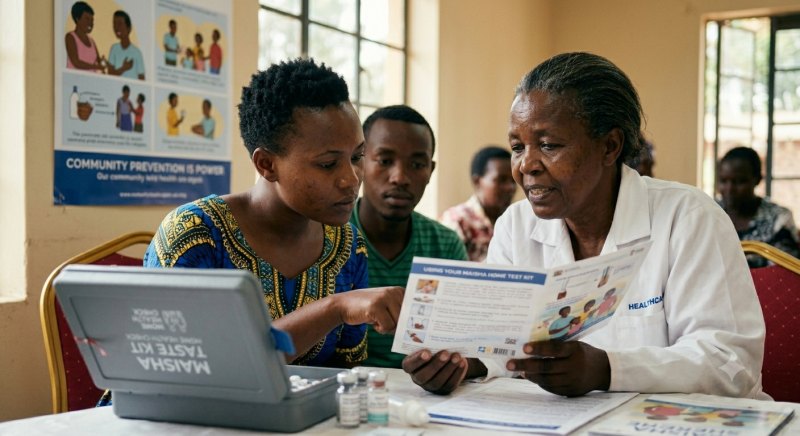
Health professionals also stress that stigma remains one of the biggest barriers preventing people from seeking help.