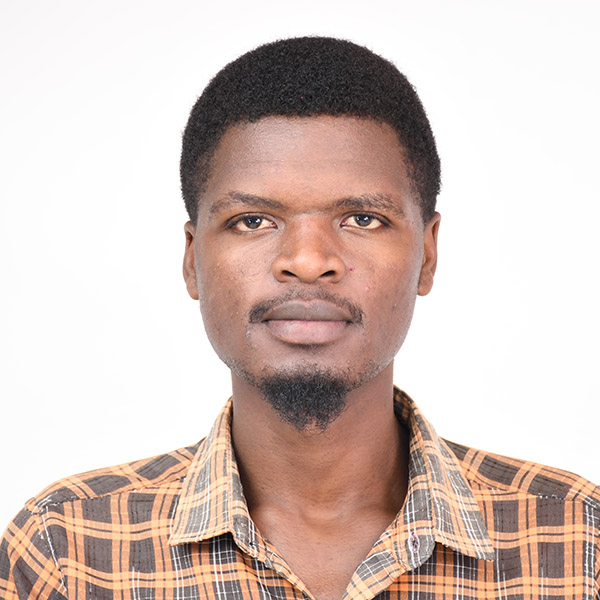
Sam Kitiki was once known only for his skill with a pair of clippers. Today, the celebrity barber is becoming a symbol of resilience in Kenya. In a moving interview with the Voices of Africa Network podcast, Kitiki shared the harrowing details of his battle with Stage 3B cancer and the abandonment he faced from his own flesh and blood.
A Family’s Betrayal
The most painful part of Kitiki's journey was not the physical ailment. It was the silence from his home. As his health deteriorated, his biological mother and other family members disowned him.
He recalled a moment when a relative called him, not to offer support, but to demand 100,000 Kenyan Shillings.
“It’s so unfortunate because even my own biological mother disowned me and she wants nothing to do with me. It is really painful because she was the one person that I was hoping for," Kitiki said.
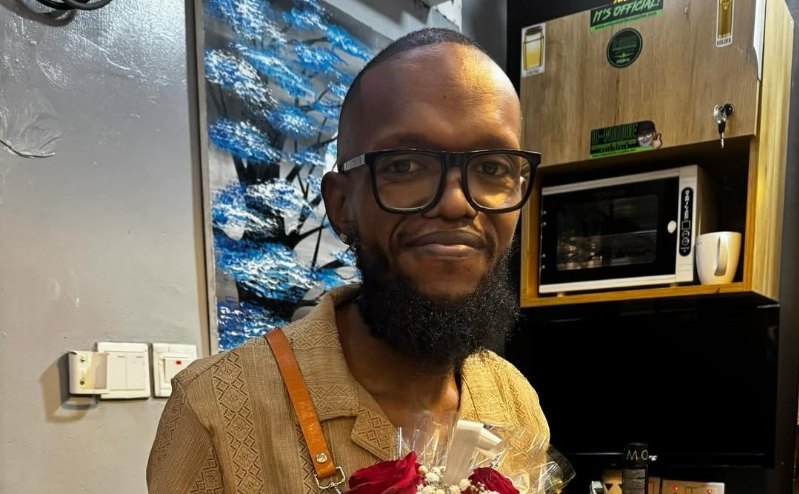
“It got to a point I even wished my dad was alive, maybe he would have supported me. But it’s okay, I thank God for everything because I am a believer,” he added.
The Omondi Intervention
When Kitiki was at his lowest point, having nearly given up on life, activist and philanthropist Eric Omondi reached out. Following a viral post where Kitiki expressed his despair, Omondi verified his medical documents and mobilised Kenyans through his Sisi kwa Sisi initiative.
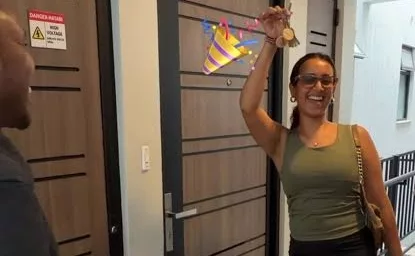
The fundraiser was a success. It allowed Omondi to set up an executive barbershop for Kitiki in Utawala. Kitiki praised Omondi’s transparency, noting that the activist did not take a single shilling for himself and even paid for Kitiki’s flight from Mombasa to Nairobi out of his own pocket.
The High Cost of Living
Despite having a new shop, Kitiki’s daily reality remains a struggle. He currently weighs just 31 kilograms. His medical expenses are staggering, requiring him to find 3,400 Kenyan Shillings every single day for specific drugs.
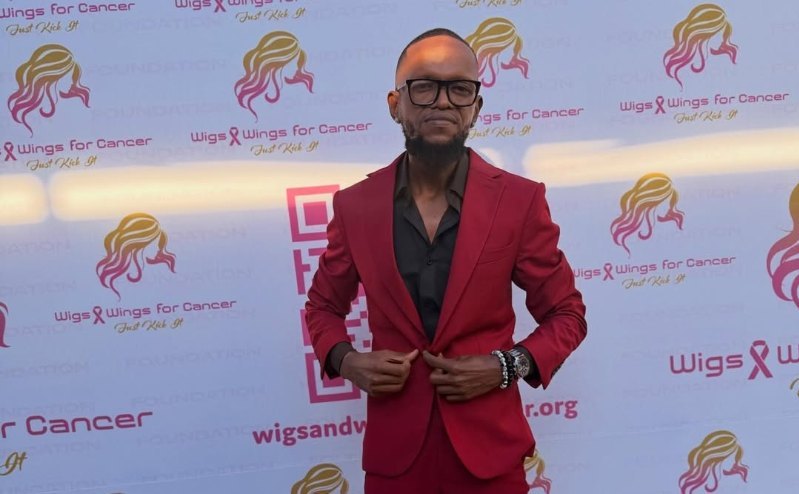
Kitiki’s executive shop in Utawala is more than a business. He offers free services to children with autism and cancer. He is even training an autistic barber to help him gain a livelihood.
"When you put this up, any child with cancer, any child with autism can come here and get free services."
While the shop has faced slow business and difficulty meeting rent, Kitiki remains hopeful. Supported by his partner, who took out a loan to help him, he continues to advocate for other men to speak out about their struggles.
He believes that sharing his story is the only way to ensure that "one day when I'm healed, it will be a story that encourages a lot of people."