For generations, the journey to motherhood in many parts of Kilifi County has been marked by uncertainty.
Long distances to health facilities, limited access to nutrition information and delayed health-seeking behaviour have often placed mothers and newborns at risk.
A silent revolution is steadily reshaping lives across the county through the Okoa Mama na Mtoto Initiative (OMMI), a three-year programme spearheaded by Shina Foundation.
Now in its second phase, the initiative is helping strengthen maternal, newborn, and child health and nutrition systems while placing communities at the centre of solutions.
Over recent weeks, Shina Foundation has intensified engagements across Kilifi, bringing together health managers, grassroots champions, women leaders, transport operators, county officials and development partners in a coordinated effort to reduce preventable maternal and child deaths.
Central to the initiative is a steadfast commitment to evidence-based action.
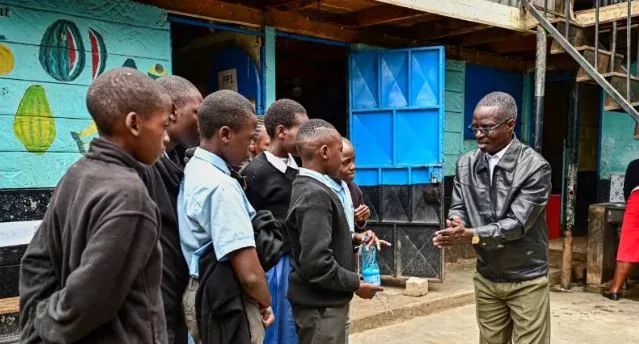
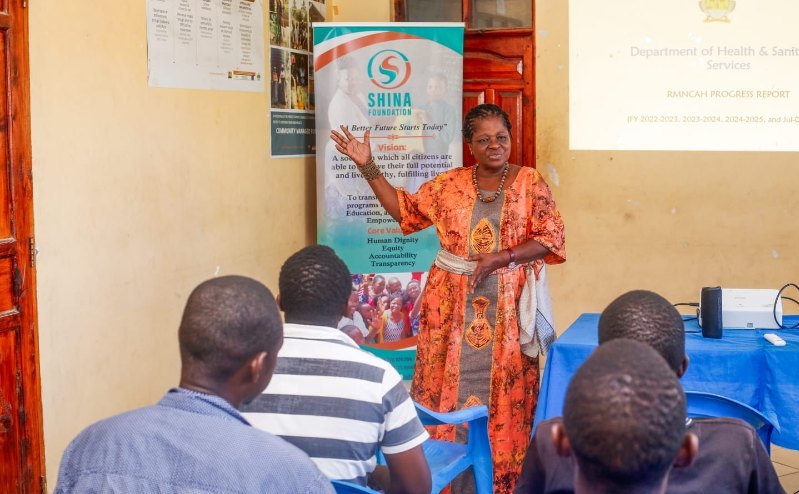
In Kilifi Town, maternal, newborn, child health and nutrition champions, convened by Shina Foundation, met to review progress and strengthen their capacity to use health data in community advocacy.
The forum is signalling the growing role of ordinary citizens in promoting positive health-seeking behaviour and encouraging families to access care early.
Speaking during the engagement, Shina Foundation Chairperson Nazi Kivutha commended community and media champions for amplifying maternal health messages and helping bridge the gap between health facilities and households.
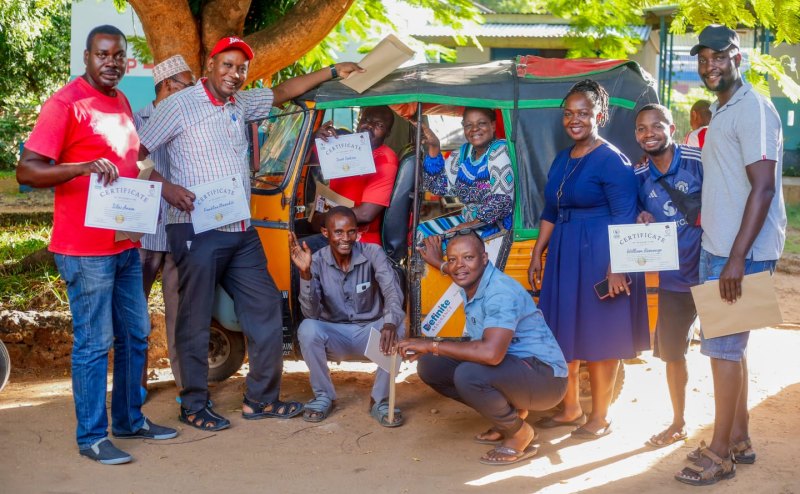
The Foundation has also expanded its outreach beyond traditional health actors. In Mtwapa, grassroots women leaders and tuk-tuk operators were recruited as maternal health advocates.
The approach recognises that tuk-tuk operators are often the first point of contact during emergencies, while women leaders remain trusted voices within communities.
By equipping these groups with knowledge on maternal healthcare, nutrition and pregnancy danger signs, the initiative is transforming everyday community members into lifesaving messengers.
Behind the community mobilisation efforts lies a strong culture of data-driven decision-making.
At Mariakani and Ganze sub-county hospitals, health managers met to review trends in maternal and child health, assess progress and identify practical solutions to persistent challenges.
Rather than relying on assumptions, healthcare teams are increasingly using evidence to guide interventions, allocate resources and improve services.
Nutrition has emerged as a critical pillar of the programme's broader mission to improve maternal and child health outcomes.
At the Kilifi County Health Stakeholders Meeting convened by the Department of Health and Sanitation, Shina Foundation joined county leaders and partners working in the mother-and-child health space to review progress under the County Nutrition Action Plan.
Deliberations centred on strengthening maternal nutrition, enhancing food security, and scaling up access to Multiple Micronutrient Supplementation as part of efforts to give mothers and children a healthier start to life.
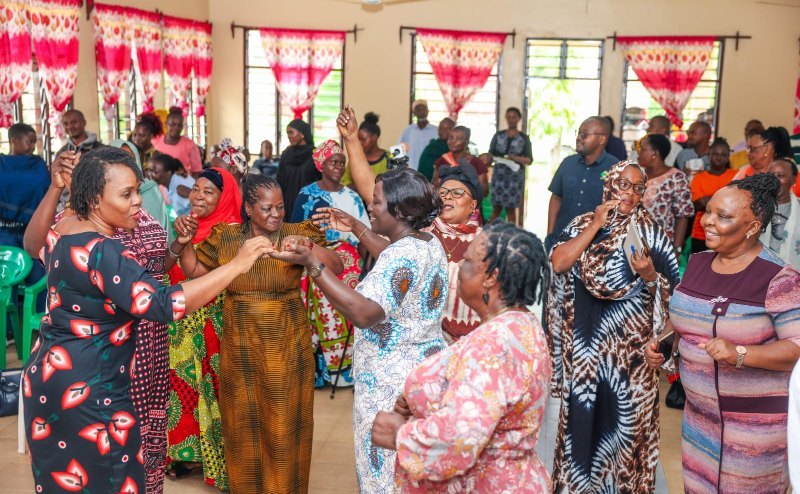
At the fulcrum of OMMI's success is an approach rooted in partnership.
Community champions, county health teams, development partners and grassroots actors have rallied around a shared ambition: ensuring that mothers and children do more than survive—they thrive.
The Kilifi County Government, under the leadership of Governor Gideon Mung'aro and Deputy Governor Flora Mbetsa, has remained a steadfast ally throughout this journey.
Working hand in hand with development partners, the county continues to advance innovative, collaborative and advocacy-driven solutions to some of the most pressing maternal and child health challenges facing communities today.
Beyond the meetings and statistics are the lives being touched.
Every mother who receives timely information, every child whose nutritional status improves and every family that reaches a health facility in time represents a success story.
As OMMI advances into its next phase, it is proving that lasting change begins long before a patient reaches a hospital, with knowledge, partnerships and a shared commitment to protecting life.

![Africa CDC Director General Dr Jean Kaseya at a past event. [Photo: Arthur Mbuguah, WHM]](https://cdn.radioafrica.digital/image/2026/10/8ced213c-affb-4dff-97ca-1b6bac1f958e.webp)