Since the discovery of oil in Turkana in 2012, successive governments have struggled to move the South Lokichar project from exploration to commercial production.
International investors came and left, financing dried up and the global transition away from fossil fuels threatened to bury the petroleum ambitions altogether.
But Energy and Petroleum Cabinet Secretary Opiyo Wandayi says the country is now closer than ever to realising the benefits of its vast crude reserves.
He believes the approval of a revised Field Development Plan and the backing of a new investor-led model is what unlocked the project.
In an interview with the Star, Wandayi described the approval of the South Lokichar development as one of the most significant milestones in history.
"We have moved from endless discussions about potential to an actual development pathway," he said.
The journey began in March 2012 when Tullow Oil and its partners struck oil at the Ngamia-1 well in Turkana.
The discovery generated excitement across the country and positioned Kenya as a potential oil producer in East Africa.
Subsequent exploration yielded nine more discoveries - Ngamia, Ekales, Amosing, Twiga, Etuko, Agete, Ewoi, Etom, Ekunyuk and Erut.
South Lokichar Basin is estimated to contain about 2.85 billion barrels of oil in place, with recoverable resources of about 429 million barrels over the life of the field.
Questions abound on why commercial production remained elusive despite the resource potential.
The original consortium encountered challenges as global investors shifted capital toward renewable energy projects.
In 2023, Tullow's joint venture partners, Africa Oil and Total Energies, exited the project, leaving the British company to pursue development alone.
According to Wandayi, the departure raised serious concerns about whether the project would ever reach production.
"Attempts to bring in another strategic international investor were not successful. The global financing environment had changed and many traditional oil investors were pulling back from frontier projects," he said.
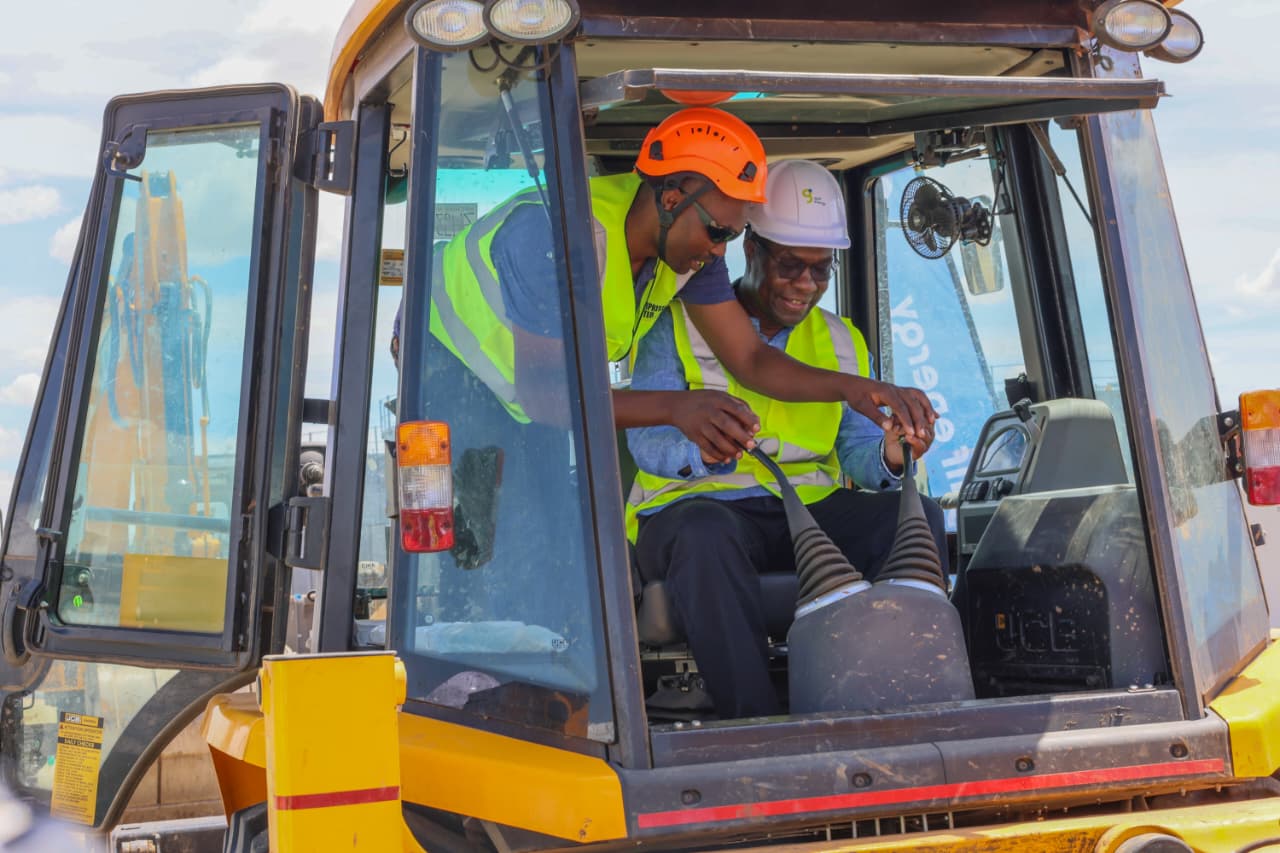
The breakthrough came when Gulf Energy E&P BV, a Kenyan-linked energy player, agreed to acquire Tullow Kenya's interests and commit to developing the project.
"It is a major investment. Tullow Oil was unable to proceed because of the huge capital requirements involved. We have now taken a new route, and we are pleased that Gulf Energy acquired Tullow Oil's interests."
Unlike previous suitors, the company demonstrated both financial capability and willingness to proceed with a phased development model.
"This was the turning point," Wandayi said. "The entry of Gulf Energy provided a practical solution to a problem that had persisted for years. It gave us a credible investor willing to take the project forward and unlock Kenya's upstream petroleum potential."
Following the acquisition, Gulf Energy submitted a revised Field Development Plan in September 2025.
After review by the Energy and Petroleum Regulatory Authority, the ministry approved the plan in November and submitted it to Parliament for ratification.
"I am the first Cabinet Secretary to approve the Field Development Plan for the Turkana oil project, as required by law, and Parliament has already ratified it. We are now at a different stage as we prepare for full commercial production," he said.
According to Wandayi, the country is now closer than ever to becoming a crude oil exporter, with all the key approvals having been secured and the development framework already in place.
"We are confident that oil will start flowing before the end of this year. We have put adequate measures in place and, if all stakeholders work together, Kenya will soon begin exporting crude oil," he said.

"At the moment, we do not have a refinery, but we hope to have one in the future so that we can process our own crude locally," Wandayi said.
He argued that commercial production in Turkana would not only generate revenue and jobs but also send a strong signal to international investors that Kenya's upstream petroleum sector is finally open for business after more than a decade of uncertainty.
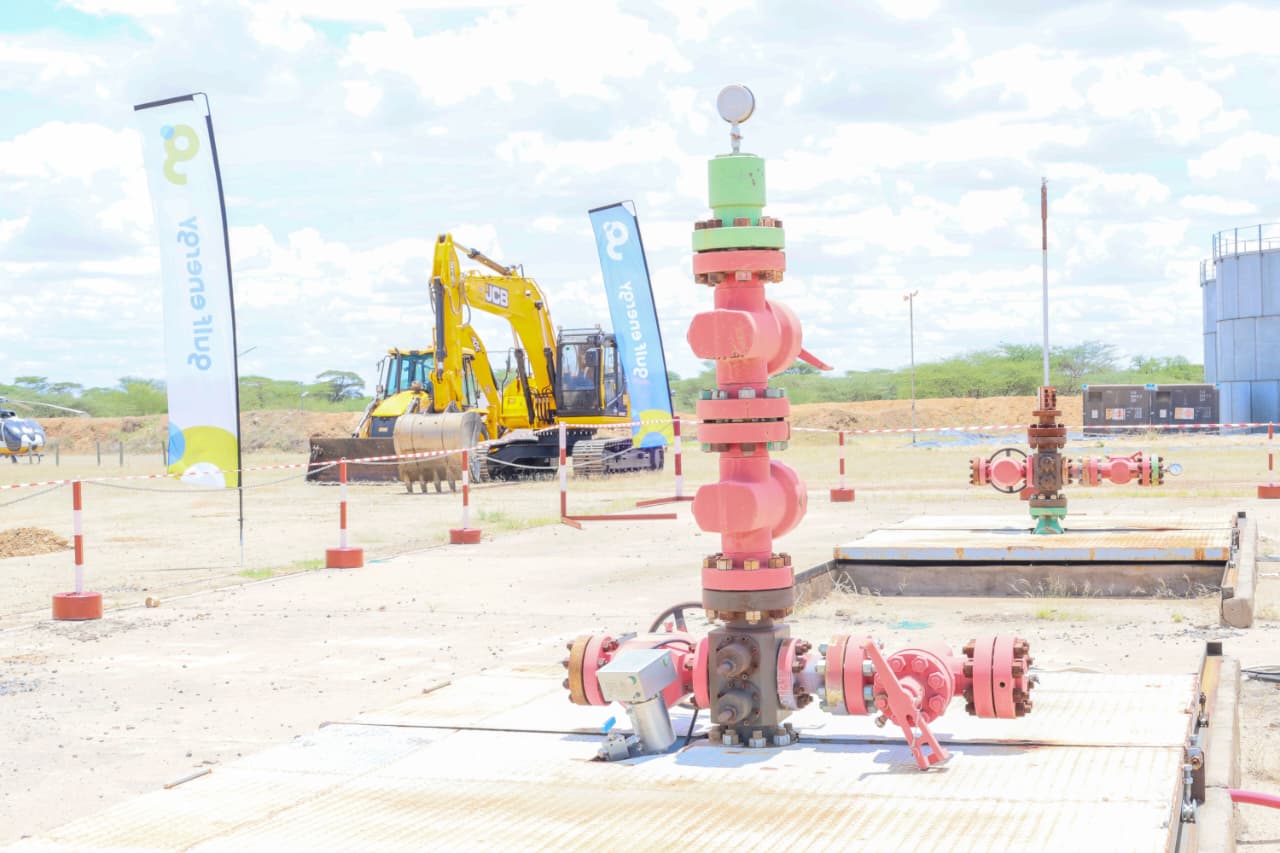
The approved plan proposes a phased development strategy beginning with production of up to 20,000 barrels per day and gradually increasing output to 50,000 barrels daily by 2032.
If the timelines hold, the first oil is expected before the end of 2026. Wandayi argues that the phased model is what makes the project commercially viable.
Rather than building all infrastructure at once, the investor will develop production capacity progressively, reducing upfront risks while generating revenue that can support future expansion.
The project is expected to require more than $5 billion (Sh646 billion) in capital investment and approximately $8 billion (Sh1.03 trillion) in operating expenditure over a 25-year production period.
Much of that expenditure is expected to remain within the local economy through procurement, logistics, transport and support services.
"The operating expenditure alone represents a huge opportunity for Kenyan businesses. These are resources that will circulate through the economy and create jobs for our people," Wandayi said.
Government estimates show the project could create more than 3,000 direct, indirect and induced jobs during development and production.
Beyond employment, the CS says the project will stimulate growth in multiple sectors, including transport, hospitality, retail and logistics.
Communities along the project corridor are also expected to benefit from improved infrastructure and market access.
"When major infrastructure moves into an area, it changes the economic landscape. Roads improve, businesses emerge and opportunities increase," he said.
The project has also revived discussions around strategic infrastructure linking Turkana to the rest of the country.
Lessons from the Early Oil Pilot Scheme have shaped the new development model, even as it emerged that Kenya made Sh3.7 billion from the sale.
Between 2018 and 2022, Kenya exported 414,777 barrels of crude oil through the pilot programme using a fleet of 100 trucks transporting oil from Turkana to Mombasa.
The exercise generated critical operational data and demonstrated that Kenyan crude could find buyers on international markets.
The pilot established a price benchmark for Kenya's crude and tested logistics systems that will now support commercial production.
"It gave us proof that the resource is marketable. It also provided practical lessons on transportation, storage and export logistics," Wandayi said.
While the pilot scheme generated revenues of about $28.3 million (Sh3.7 billion), costs exceeded earnings, resulting in a deficit that became part of recoverable project costs.
Still, the government views the exercise as a necessary investment in knowledge and preparedness.
Wandayi defended the decision, saying it was necessary to attract financing for a capital-intensive project that had struggled to secure investors.
"We had to strike a balance between national interests and commercial realities. Without a bankable framework, the project would remain stuck on paper," the CS said.
The CS said concerns about environmental protection had also been addressed through extensive assessments, including approved environmental impact studies, a zero-flaring policy, biodiversity management programmes and community protection measures.
He dismissed fears that the project could expose the country to environmental risks without adequate safeguards.
"Environmental stewardship is not optional. It is embedded in the development plan and forms part of the approval conditions," he said.
For a country that imports virtually all its petroleum products, commercial oil production carries enormous symbolic and economic significance.
However, Wandayi cautioned against expectations that Turkana oil will immediately translate into lower pump prices.
Kenya will continue importing refined petroleum products because the South Lokichar project focuses on crude oil production rather than domestic refining.
Instead, he said, the benefits will come through government revenues, employment creation, foreign exchange earnings and enhanced energy security.
"The value of this project extends beyond fuel prices. It is about creating a new economic sector, attracting investment and generating revenue that can support development," he said.
After years of delays, investor exits and scepticism, Wandayi believes Kenya is finally approaching the moment when its oil discovery can begin delivering tangible returns.
"The discovery happened in 2012. Many people doubted whether we would ever get to this stage," the CS said, adding, "Today, we have an approved development plan, an investor committed to production and a clear pathway to the first oil. That is how we have unlocked Turkana oil."