As Kenya edges into an early and increasingly fluid political season ahead of the 2027 polls, Washington’s top diplomatic seat in Nairobi remains unfilled.
This is a rare vacuum that is now quietly raising questions in political and diplomatic circles about timing, influence and the state of US engagement in one of Africa’s most strategically important partners.
The US has not had a Senate-confirmed ambassador in Kenya since Meg Whitman left in November 2024 following Donald Trump’s return to White House. None is yet to be nominated as well.
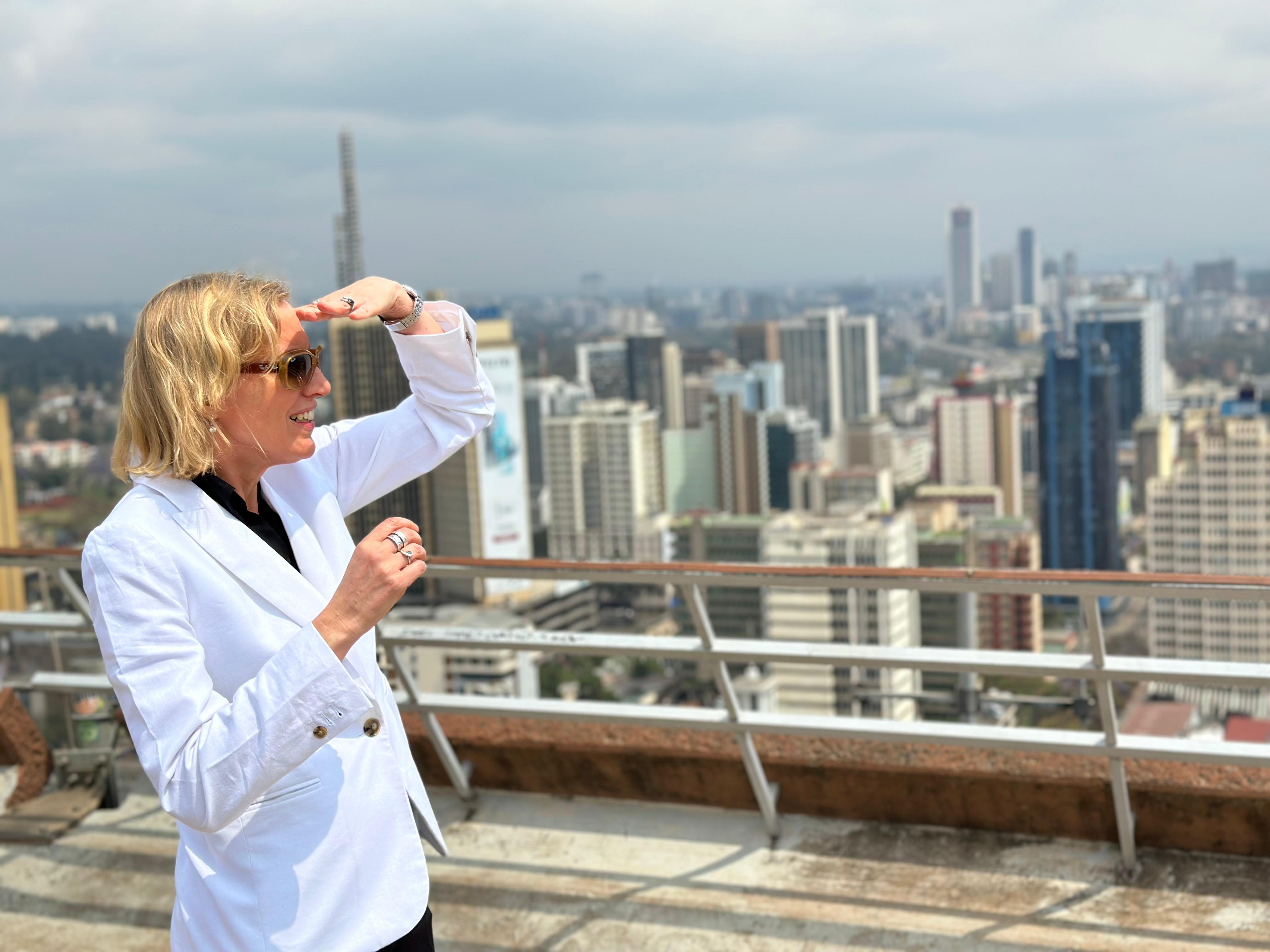
More than a year later, the US Embassy in Nairobi continues to operate under Chargé d’Affaires Susan Burns, who has maintained bilateral ties but without the political weight of an accredited envoy.
The absence of a substantive ambassador at a moment when Kenya is entering election mode is raising quiet unease among some observers who track US-Kenya relations closely.
Kenya is not just another diplomatic post for Washington. It is a key security partner in East Africa, a regional hub for counterterrorism coordination and a central player in stabilisation efforts in Somalia, Sudan, South Sudan and eastern DRC. It is also one of the states where US diplomatic engagement has historically been most visible during election cycles.
In past elections, American ambassadors have often played an outsized role in signalling Washington’s expectations around electoral integrity, political tolerance and post-election stability. Their presence has also provided a direct channel to Kenya’s political leadership at moments of heightened tension.
That is why the current vacancy is drawing attention.
While embassy operations continue under experienced diplomatic staff, foreign policy analysts note that acting envoys do not carry the same political access, authority or symbolic weight as Senate-confirmed ambassadors.
Tom Shannon, former US ambassador to Brazil from 2010-13, has spoken on this.
"When I was an ambassador, if I needed to meet with the Foreign Minister, the National Security Adviser or the President, all I had to do was make a phone call and they would grant me an interview. That wouldn’t be the case for a chargé d’affaires," Shannon told the Wall Street Journal.
"This significantly limits a government’s foreign policy, its ability to respond to crises and its capacity to communicate effectively with the highest levels of foreign governments."
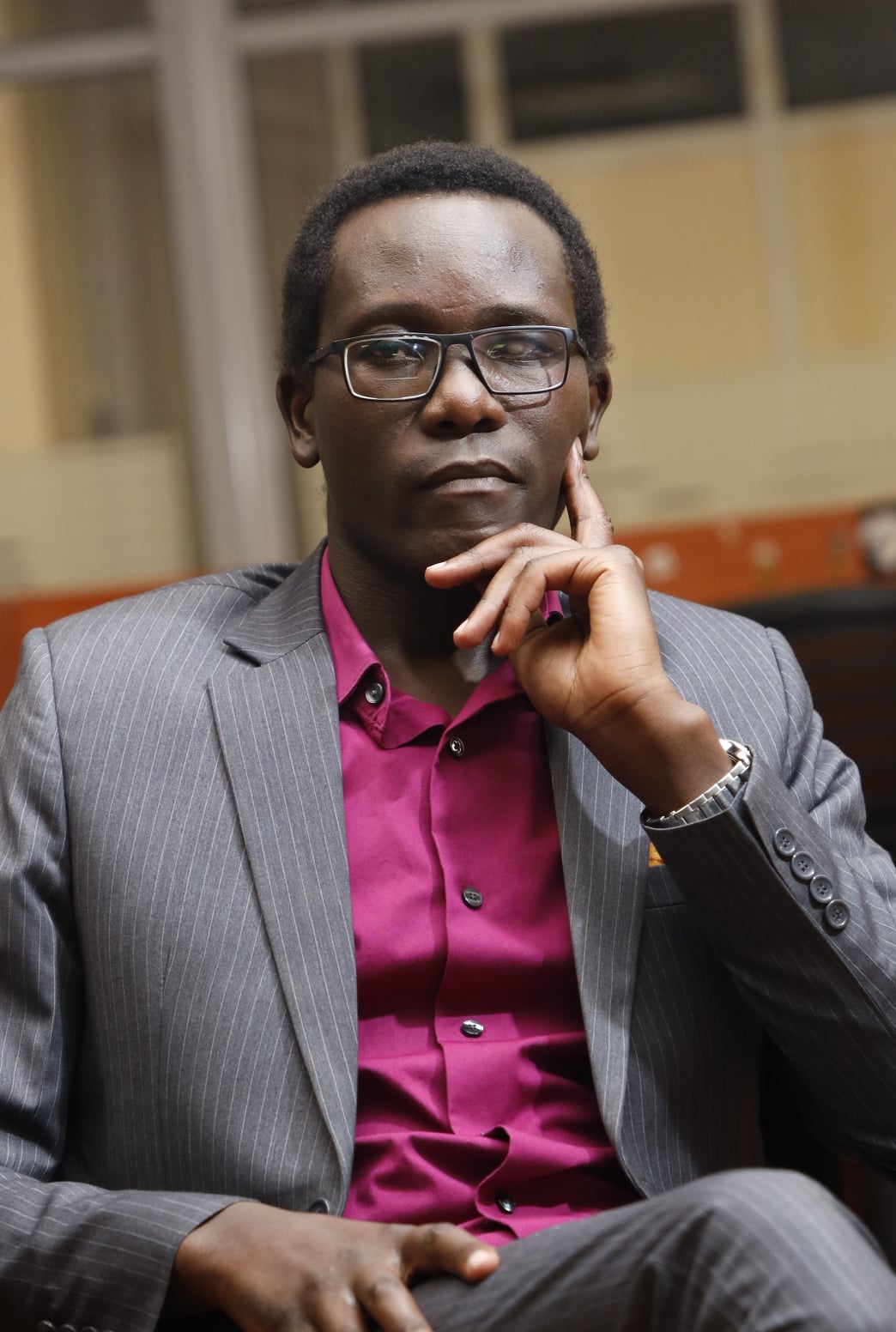
Foreign policy analyst James Muiga opines that the absence of 36 confirmed ambassadors in Africa is not an oversight.
Muiga, who is the executive director at the Horn Centre at the Africa Policy Centre, argues that it represents a sentiment towards the strategic importance of the continent in the eyes of Trump’s foreign policy.
“My take is that Trump is less interested in the mere prestige of a diplomatic footprint in Africa, trading it off for foreign policy investment that has a direct and tangible benefit to America under his America First ideology,” he said.
University don Macharia Munene concurs, saying the stance is a signal of how Trump is conducting his diplomacy with direct control from the White House.
In the recent past, Secretary of State Marco Rubio has often directly contacted President William Ruto on key policy issues involving the two states.
In diplomatic practice, however, it is ambassadors who serve as the most direct line between Washington and the highest levels of government in host countries.
The Kenya situation also reflects a broader pattern in Washington. A significant number of US ambassadorial posts globally remain unfilled, part of what analysts describe as an unusually high vacancy rate in modern American diplomacy under Trump’s second term.
In Africa, dozens of countries are currently operating without confirmed US ambassadors.
The US Senate Foreign Relations Committee has in recent hearings warned that prolonged diplomatic vacancies risk weakening Washington’s global influence at a time of intensifying competition from China, Russia and Gulf states across Africa.
But it is the timing in Kenya that is particularly curious. Kenya is entering an early election cycle marked by shifting political alliances, regional recalibrations and emerging positioning by both government and opposition actors ahead of 2027.
In such environments, external diplomatic actors often play a quiet but important role in signalling international attention and expectations.
The absence of a confirmed ambassador, therefore, introduces a subtle but notable shift: a quieter US diplomatic profile at a moment when Kenya’s political temperature is expected to rise.
This shift is widely seen in diplomatic circles not just as an administrative delay but as part of a broader rethinking by Washington on the conduct of its foreign policy. It is now more focused on security and commercial ties than politics.
Trump is also relying more heavily on personal envoys, informal networks and politically appointed negotiators, such as Massad Boulos.
Boulos is an American businessman and diplomat who serves as a senior adviser to Trump for Africa as well as Arab and Middle Eastern Affairs.
Instead of traditional ambassador-led diplomacy, key international files are increasingly handled by trusted presidential associates and special envoys.
Critics argue this weakens institutional continuity and reduces the visibility of US diplomacy in regions where sustained engagement has historically mattered.