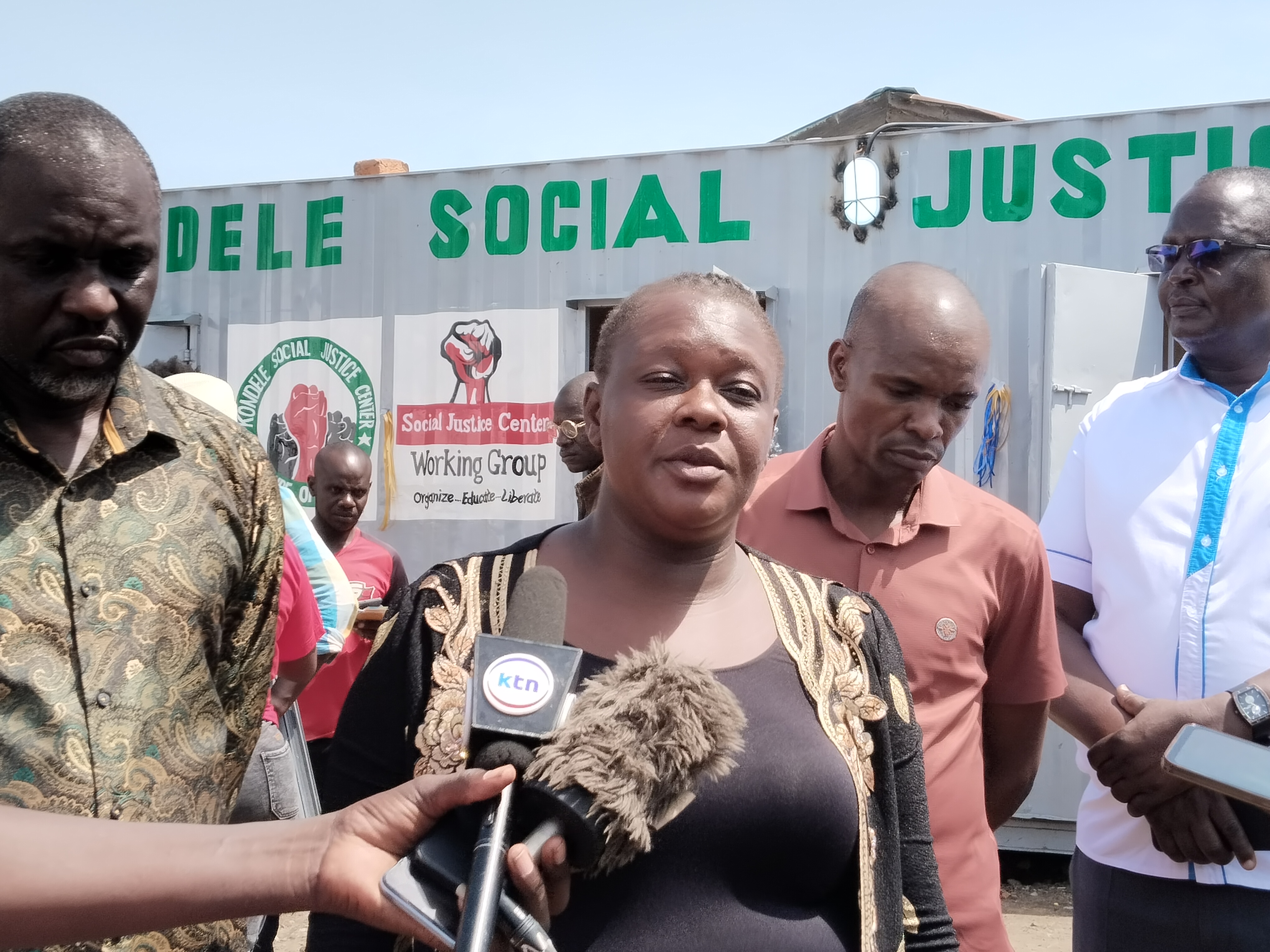
For nearly eight years, Joy Omollo carried the pain of alleged police abuse suffered during the 2017 post-election violence in silence.
On Wednesday, she stood before residents in Kondele, Kisumu county, not as a victim, but as an advocate welcoming the launch of the Kondele and Manyatta B Social Justice Centres spaces she says will offer survivors of brutality safety, support and hope for justice.
“I realised there is no power in keeping quiet. Power belongs to the people and when we raise our voices together, things move,” Omollo said.
The centres were launched by the International Justice Mission together with local social justice activists to provide safe spaces where residents can report human rights violations, access referrals and receive psychosocial support.
Omollo said many survivors of police brutality and abuse of power suffer in silence because of fear and lack of accessible support systems.
“Kondele Social Justice Centre is here to serve all survivors. People can get help through referrals and psychosocial support,” she said.
Omollo said the Kenya Champions for Justice movement, founded in 2023 to support survivors of police abuse, has grown from 20 members to more than 80 across the country.
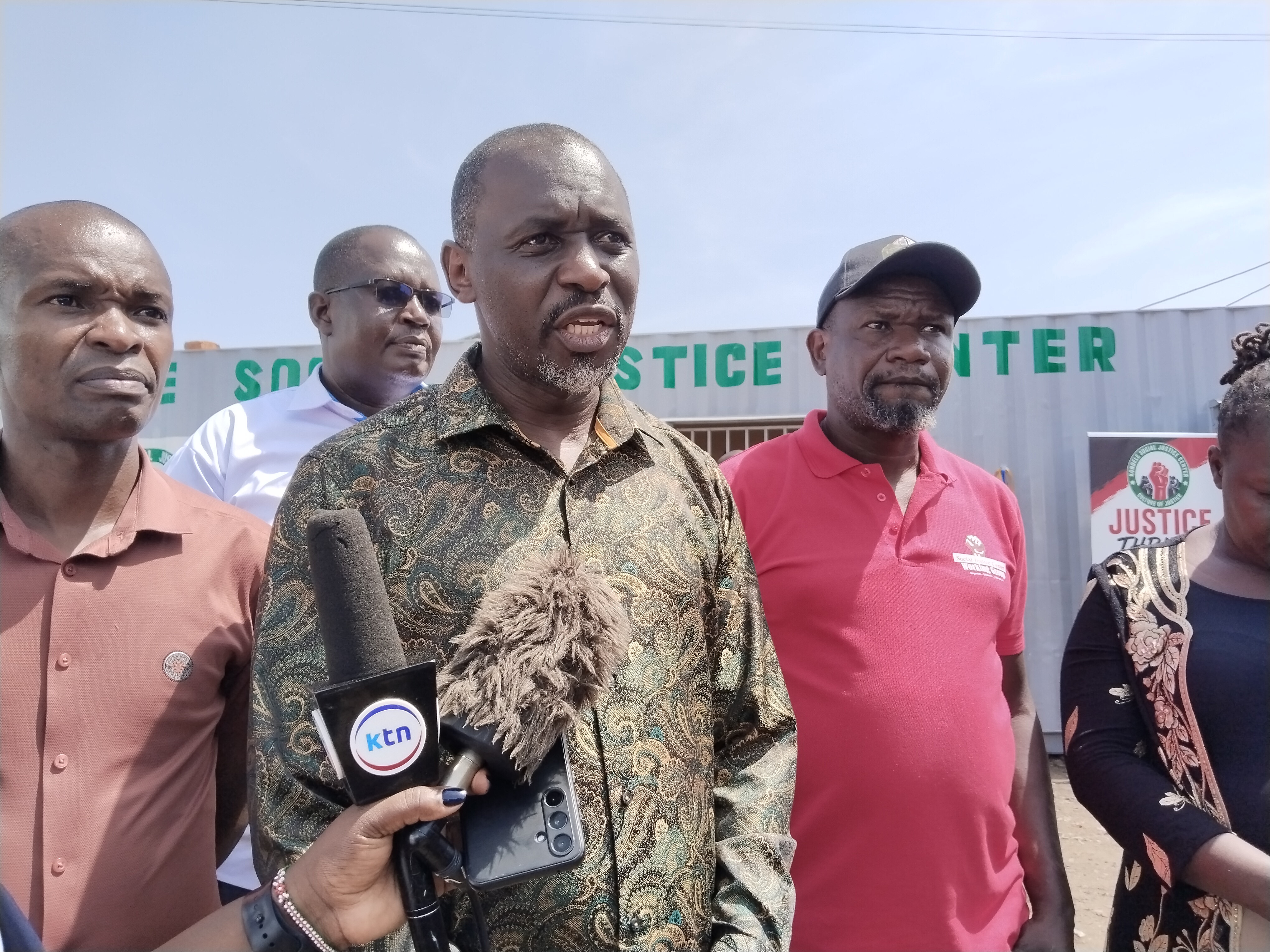
International Justice Mission (IJM), Kenya country director Vincent Chahale said the centres would provide secure environments where vulnerable people can report injustices without fear of intimidation.
“There are communities that are more vulnerable to human rights violations than others. Many people fear reporting police officers at police stations. These centres offer a safer option,” he said.
Chahale said Kondele’s history of civil rights struggles and human rights violations made it a significant location for the initiative.
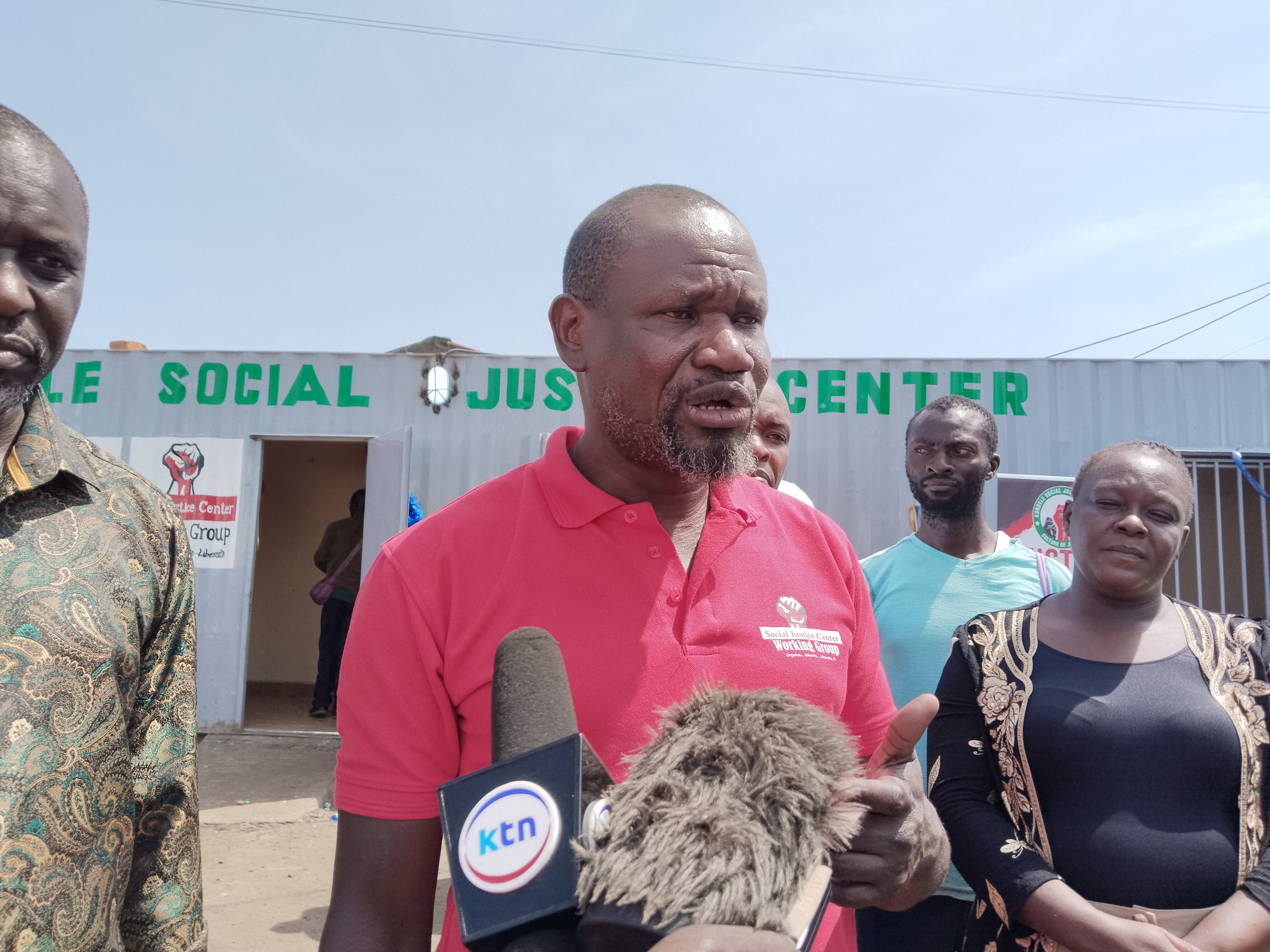
National Convener of the Social Justice Centres Working Group Happy Olal described the facilities as community hubs where residents can organise, conduct research and seek support on issues affecting them.
“This is a space for young people, women, artists, media practitioners and vulnerable members of the community. We want communities to have spaces where they can confront injustices and organise for change,” he said.
Olal expressed concern over rising cases of gender-based violence, femicide, human trafficking and insecurity across the country.
He also warned about increasing gang activity and election-related violence, saying Kondele has historically experienced insecurity during election periods.
“We want communities like Kondele to remain safe as the country heads towards elections. Crime and gangism are becoming serious national concerns,” Olal said.
The Independent Policing Oversight Authority welcomed the establishment of the centres, saying they would help improve trust between police and the public.
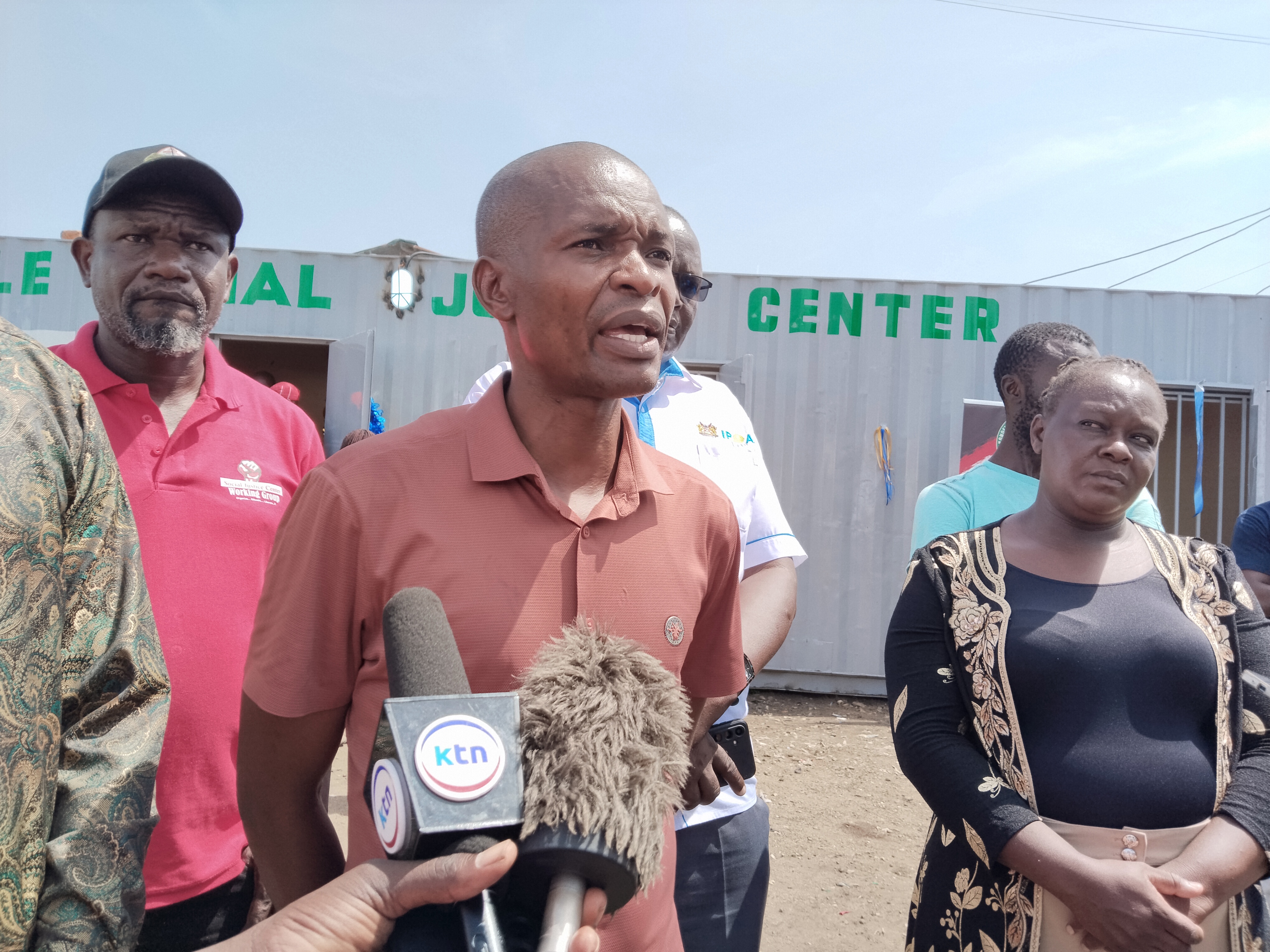
IPOA commissioner for the Nyanza region Ken Williams Nyakomita said many victims fail to report police misconduct due to fear of victimisation.
“When the public lacks trust in the police, reporting cases becomes difficult. These centres create safer avenues for reporting and engagement,” he said.
Nyakomita said IPOA would collaborate with the centres to ensure confidentiality and protection of complainants while linking reported cases to the relevant investigative and prosecutorial agencies.
He acknowledged that some investigations fail because victims disappear or withdraw from cases before completion.
“IPOA investigates and forwards files to the Office of the Director of Public Prosecutions for action because we do not prosecute directly,” Nyakomita said.
Residents and activists attending the launch expressed hope that the centres would strengthen accountability and offer vulnerable groups a stronger voice in the fight against injustice.
Instant analysis
The launch of the Kondele and Manyatta B Social Justice Centres marks a renewed push for community-driven accountability in addressing human rights violations, particularly police brutality. The initiative, led by International Justice Mission and local activists, reflects growing efforts to create safer reporting channels for survivors who often fear intimidation when approaching authorities. It also highlights the long-standing tensions between residents and law enforcement in Kisumu, especially in Kondele, which has a history of election-related violence. While the centres promise psychosocial support and legal referrals, their success will depend on public trust, effective collaboration with IPOA, and sustained institutional backing.