
Kenya’s youth are living increasingly fast, layered lives defined by tight schedules, digital connectivity, and the constant pursuit of multiple income streams.
Between work, studies, side hustles, and social life, many young people are navigating days that rarely slow down. The result is a generation that is always on the move — commuting, creating content, attending classes, running online businesses, or juggling freelance gigs.
Consumption habits are shifting, and for many young Kenyans, what they eat or drink is no longer just about taste or tradition, but about energy and fitting into a packed routine that keeps them going.
This evolving lifestyle is reshaping how products are experienced in everyday life.
Earlier this year, Coca-Cola introduced Charged, a sparkling caffeinated drink, into the Kenyan market, aligning with a growing demand for beverages that fit into active, fast-paced youth routines.
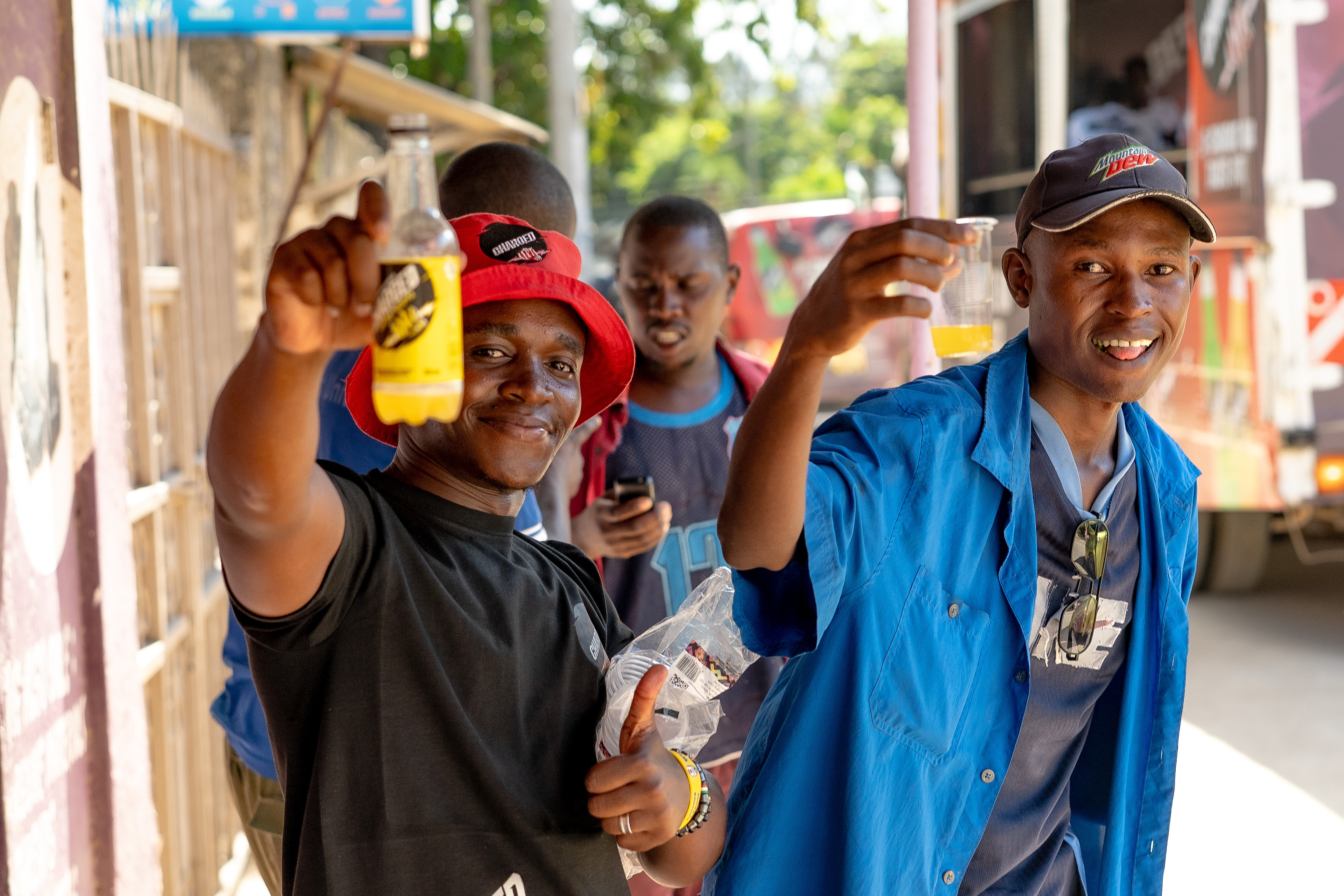
But beyond product launches and activations, Charged is entering a broader story: the reality of a generation balancing ambition with exhaustion, opportunity with pressure.
Kenya’s youth population is deeply embedded in what is now widely referred to as the creator and gig economy. From content creation and online writing to ride-hailing, photography, design, and small online businesses, many young people are combining multiple income streams to stay afloat and build their futures.
For 25-year-old online content writer Sheila Achieng, a typical day rarely has clear boundaries between work and personal time.
“You can be editing videos, responding to clients, researching topics, and still trying to post content throughout the day,” she says. “Even rest time is not really fixed — everything overlaps.”
She notes that this constant activity shapes not only how young people work, but also what they consume.
“Most of us are looking for things that keep us going through long days. Something quick, convenient, and fitting into a very unpredictable schedule,” she says.
Marketing and consumer behaviour experts say this shift is becoming more visible across urban Kenya, where lifestyle patterns are increasingly defined by mobility and multitasking.
“Today’s young consumers are not sitting in one place or following a fixed routine. They are studying, working, creating content, and building side hustles at the same time. Products that fit into that rhythm naturally become more relevant,” they say.
Social media has further intensified these lifestyle patterns. Platforms such as TikTok, Instagram, and YouTube are not just entertainment spaces, but also workplaces for many young people earning from brand deals, affiliate marketing, and content monetisation.
“Gen Z is not just consuming content; they are producing it constantly. That means their energy needs are different. Their days are fragmented, fast, and highly digital,” experts note.
Retailers say younger customers are increasingly buying products on the go during commutes, between classes, or during short breaks at work.
“The younger generation is very mobile. They are not shopping for long periods. They pick what fits into their immediate moment — something quick, refreshing, and accessible,” says supermarket manager Caroline Mwende.
At the centre of this evolving behaviour is a deeper socio-economic reality. With unemployment pressures, rising living costs, and growing expectations around success, many young Kenyans feel the need to constantly stay productive.
Psychologists have also opined that there is a strong sense of urgency among young people today, as they feel the need to work harder, stay visible online, and build something for themselves.
In this context, everyday consumption choices, including beverages, are increasingly tied to energy management and lifestyle adaptation rather than simple preference.
As Kenya’s youth continue to navigate this fast-moving environment, products that align with their routines naturally find space within their daily lives.
It is less about brands competing for attention and more about understanding a generation that is constantly in motion — building careers, pursuing passions, and trying to keep pace with a world that rarely slows down.