The Vihiga government has launched a Geographic Information System-based waste generators mapping exercise targeting households, businesses and institutions in Mbale town.
This is in an effort to tame illegal dumping and streamline solid waste collection services.
The initiative is part of a partnership between the county government and M-TAKA Waste Solutions under a Memorandum of Understanding on promoting sustainable waste management practices.
The initiative involves the creation of an accurate database of waste generators in Mbale town and linking them to licensed waste service providers to ensure efficient and structured waste collection.
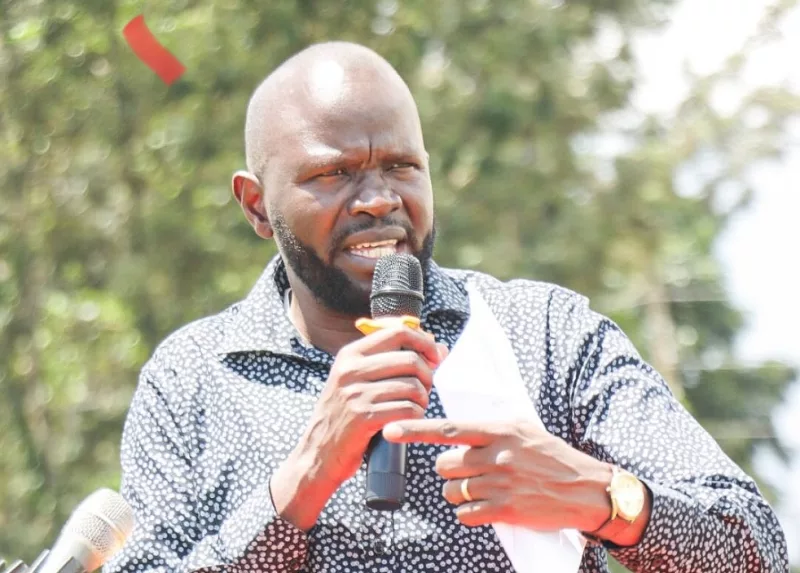
Environment, energy, natural resources and climate change chief officer Richard Boiyo said the town has been grappling with increasing waste generation due to the lack of a structured waste collection system.
“Mbale town continues to experience high levels of waste generation without a properly organised waste collection framework, forcing residents to rely on informal waste collectors and contributing to illegal dumping,” he said.
Boiyo said the county government has identified five fully licensed waste service providers to support organised waste collection and environmentally sound disposal across the county under the partnership.
“This collaboration will help us streamline waste management, improve cleanliness within the town and promote environmental sustainability,” he said.
Vihiga is one of the most densely populated and rapidly urbanising counties in Western Kenya, is experiencing a surge in solid waste generation that has outpaced its existing infrastructure.
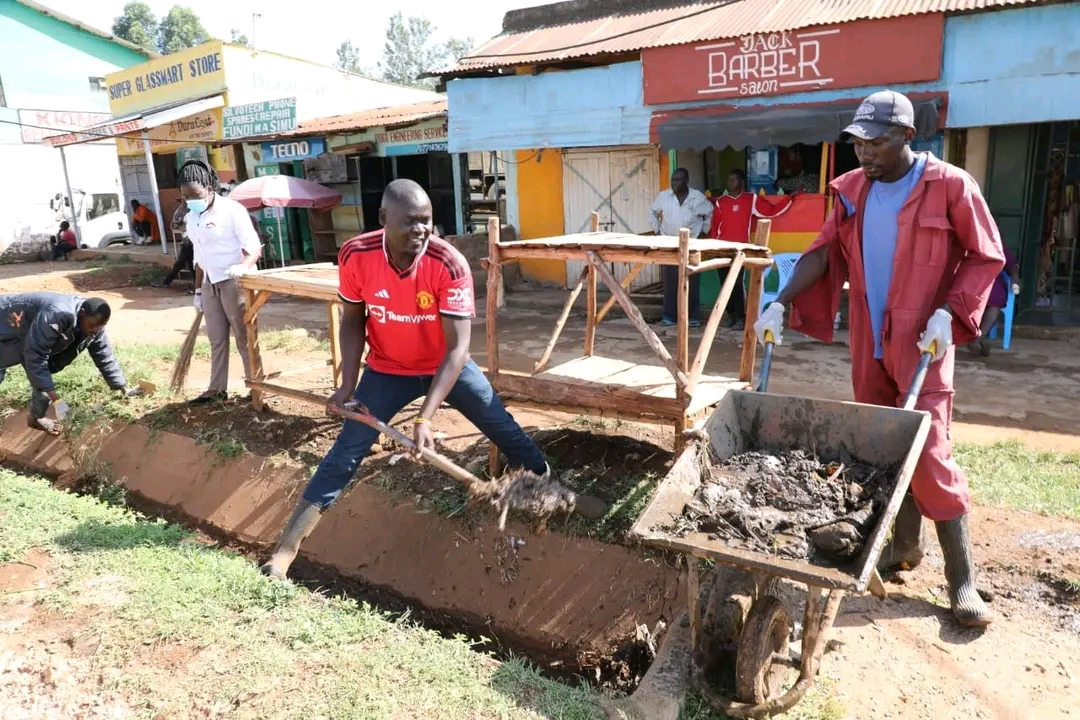
Residents say the situation is worsening, with constant clogging of drainage channels leading to sewage overflowing onto streets and posing health risks.
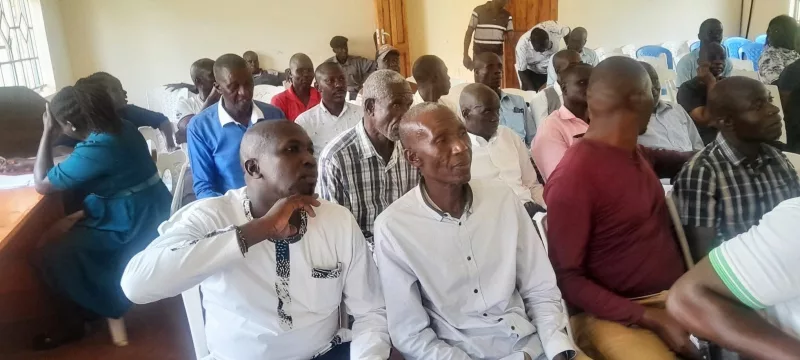
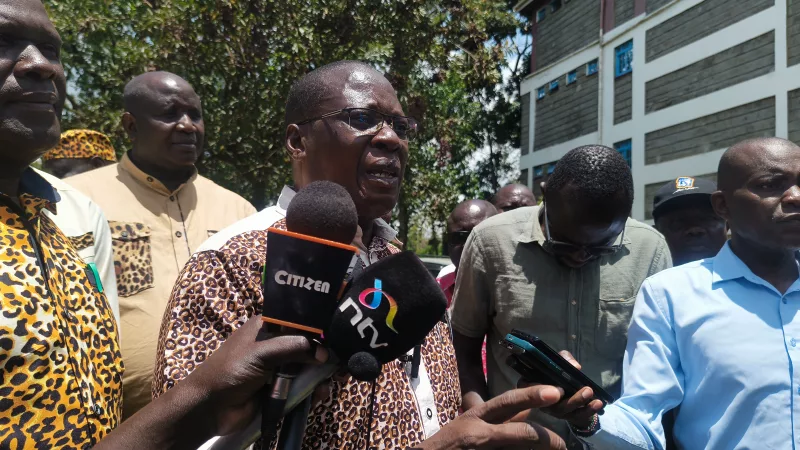
Aquila Lwanga, the county director of environment, said the pilot programme also includes public sensitisation campaigns aimed at educating residents on proper waste handling and disposal practices.
“We are engaging Nyumba Kumi officials, landlords, traders and residents to ensure the public understands the importance of proper waste segregation and disposal,” Lwanga said.
Residents, businesses and institutions have been urged to cooperate with the licensed waste service providers to support efforts towards maintaining a clean, healthy and sustainable environment in Mbale town.
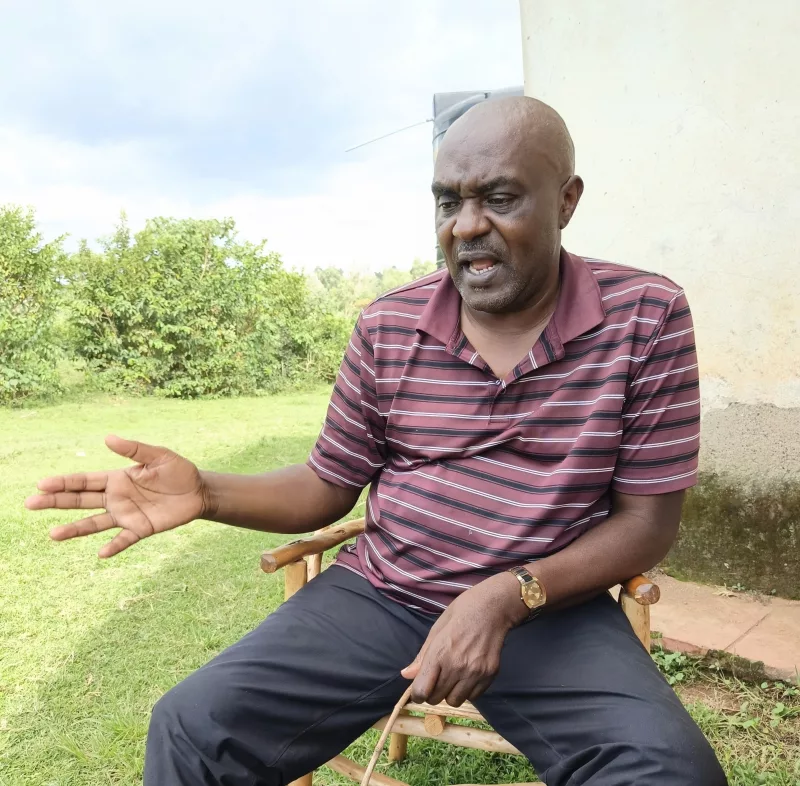
A trader in Mbale town, James Kamadi, said the growing piles of garbage in the market are driving away customers and hurting businesses.
“We have suffered for long, yet we have a functional county government that has remained silent on this issue of garbage and raw sewage,” he said.
Hotels and business establishments in both towns are often forced to dispose of wastewater into public drainage systems at night, a practice that has also spread to other markets across the county, including Mudete and Chavakali.
“Looking at the market, it is in a pathetic condition. The waste is too much, and we demand better services,” Dorcas Alenga, a trader in Luanda, said.
Residents of major towns in Vihiga county, including Mbale and Luanda, have been grappling with poor waste management that poses serious risks to public health and the environment.
The towns lack sewer lines and heaps of uncollected garbage have become a common sight, exposing communities to waterborne diseases and pollution.