 THE STAR INFOGRAPHICS
Kenya and the World is not prepared and another pandemic could catch them wrong footed despite billions of shillings spent after Covid-19, a new report shows.
It says countries are becoming less able to respond to disease outbreaks because of political divisions, falling international aid, climate disruption and unequal access to vaccines and medicines.
The report, A World on the Edge: Priorities for a Pandemic-Resilient Future, says infectious disease outbreaks are becoming more frequent and more damaging, even as global investment in preparedness fails to keep pace with the growing threat.
Released during the 79th World Health Assembly in Geneva, the report warns that another major pandemic could strike a world that is now more politically fractured, economically strained and socially fragile than it was before Covid-19.
Health CS Aden Duale is representing Kenya at the ongoing meeting.
“A decade after Ebola exposed dangerous gaps in outbreak preparedness – and six years after Covid-19 turned those gaps into a global catastrophe – the evidence is clear: the world is not safer from pandemics,” the report says.
The findings were released by the Global Preparedness Monitoring Board, an independent body created by the World Health Organization and the World Bank after the deadly Ebola outbreak in West Africa.
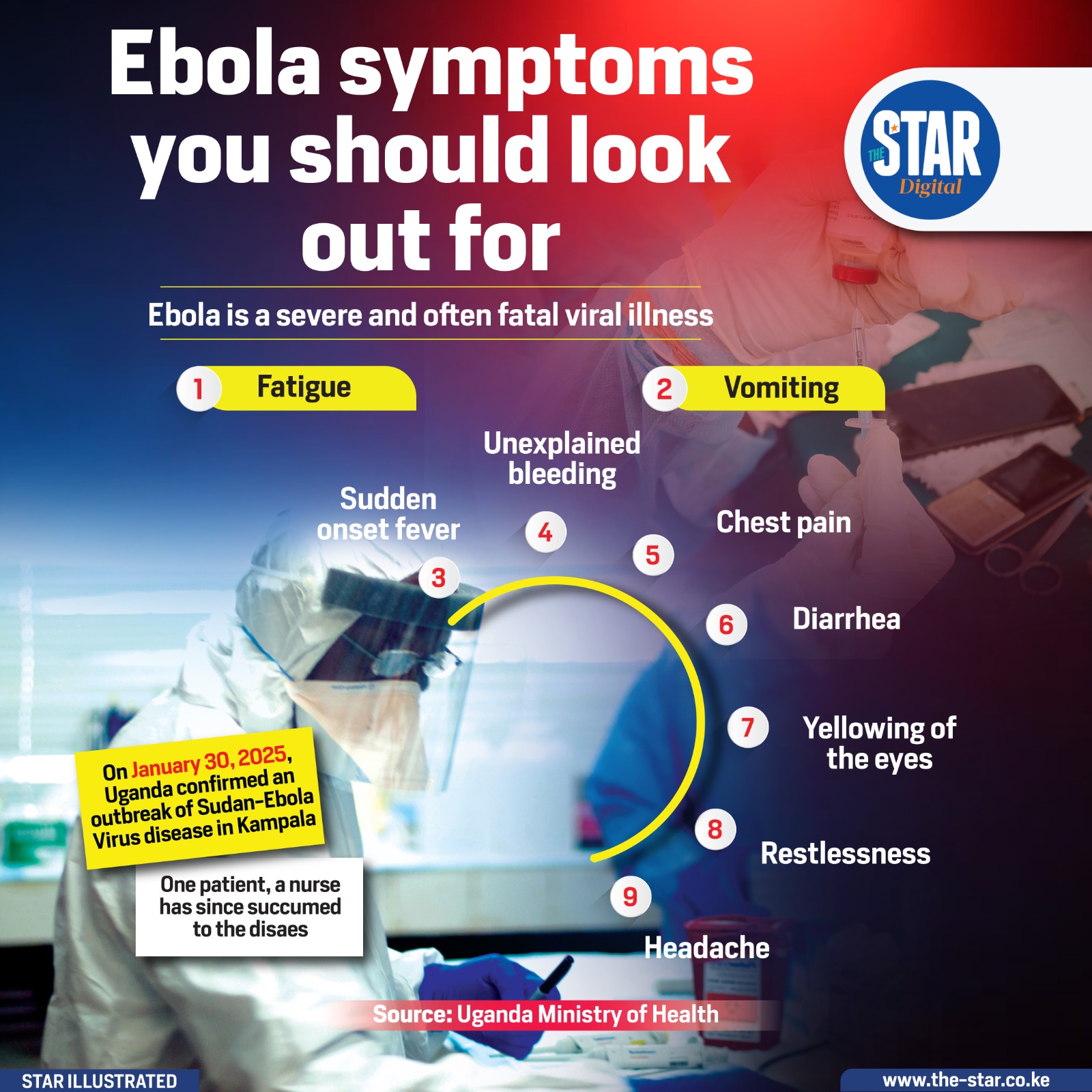
It comes as East Africa battles Ebola outbreak, which has killed about 130 people in DR Congo and Uganda.
For Kenya, the warning revives painful memories of the Covid-19 pandemic, when hospitals struggled with oxygen shortages, families lost jobs and schools stayed closed for months. Kenya also faced delays accessing vaccines as wealthy nations secured most early supplies.
The report says the world is actually moving backwards in some areas, especially fair access to vaccines, diagnostics and treatments for poorer countries.
“Mpox vaccines reached affected low-income countries almost two years after the outbreak began – even slower than the 17 months it took for Covid-19 vaccines,” the report says.
The experts say although countries and global agencies launched new preparedness programmes after Covid-19, the efforts have been weakened by rising geopolitical tensions, climate disruption, rapid global travel and declining international aid funding. Development assistance has fallen to levels not seen since 2009.
The GPMB board called on political leaders to urgently create a permanent independent system to monitor pandemic threats, increase funding for preparedness and ensure fair access to vaccines, medicines and tests through the proposed WHO Pandemic Agreement.
“If trust and cooperation continue to fracture, every country will be more exposed when the next pandemic strikes. Preparedness is not only a technical challenge — it is a test of political leadership,” said GPMB Co-Chair Joy Phumaphi.
The report reviewed major global health emergencies over the last decade, including Ebola, Covid-19 and mpox. It found that the impact of outbreaks now stretches far beyond sickness and death.
According to the report, Ebola and Covid-19 damaged public trust in governments and scientific institutions in many countries. Political divisions, misinformation and attacks on science continued long after the outbreaks ended, leaving societies weaker before the next emergency.
“The world does not lack solutions,” said GPMB co-chair Kolinda Grabar-Kitarovic. “But without trust and equity, those solutions will not reach the people who need them most. Political leaders, industry and civil society can still change the trajectory of global preparedness – if they turn their commitments into measurable progress before the next crisis strikes.”
The report warns that the next pandemic could cause even greater economic and social disruption because many countries are already carrying huge debts and facing deep political disagreements.
Health experts say African countries remain especially vulnerable because they often depend on foreign suppliers for vaccines, medicines and protective equipment.
During Covid-19, African nations repeatedly complained that they were pushed to the back of the queue as richer countries protected their own populations first.
The report also highlights the growing use of artificial intelligence and digital technologies in disease surveillance and outbreak response. The experts say such tools could help identify outbreaks earlier and improve emergency planning. However, they caution that weak regulation and unequal access to technology could worsen global inequalities.
The report concludes that global leadership will face a major test this year as governments negotiate the WHO Pandemic Agreement and discuss a new United Nations political declaration on pandemic prevention, preparedness and response.