An activist has moved to court seeking compensation for families of those allegedly killed during violent clashes linked to proposed gold mining at Isulu in Ikolomani constituency.
David Khaemba of Amnesty International is seeking conservatory orders to halt any mining activities in the area until the matter is heard and determined.
He is demanding Sh150 million in compensation for families of six people who were allegedly killed by police during protests against a public participation forum organised by the National Environmental Management Authority (NEMA) on December 4 last year.
Khaemba said an electrician and mason, identified as Conrad Ashioya Isese, Wilberforce Kapima and four others, were shot dead during the incident. Several other people were injured, including gunshot victims, while property was destroyed.
In the petition filed at the Kakamega Environment and Land Court, Khaemba has named Shanta Gold, Nema, the Cabinet Secretary for Mining, the Inspector General of Police and the Attorney General as respondents.
He is seeking orders suspending any mining-related activities or public participation processes linked to the disputed relocation of communities in Isulu and Ikolomani until full compliance with the Constitution.
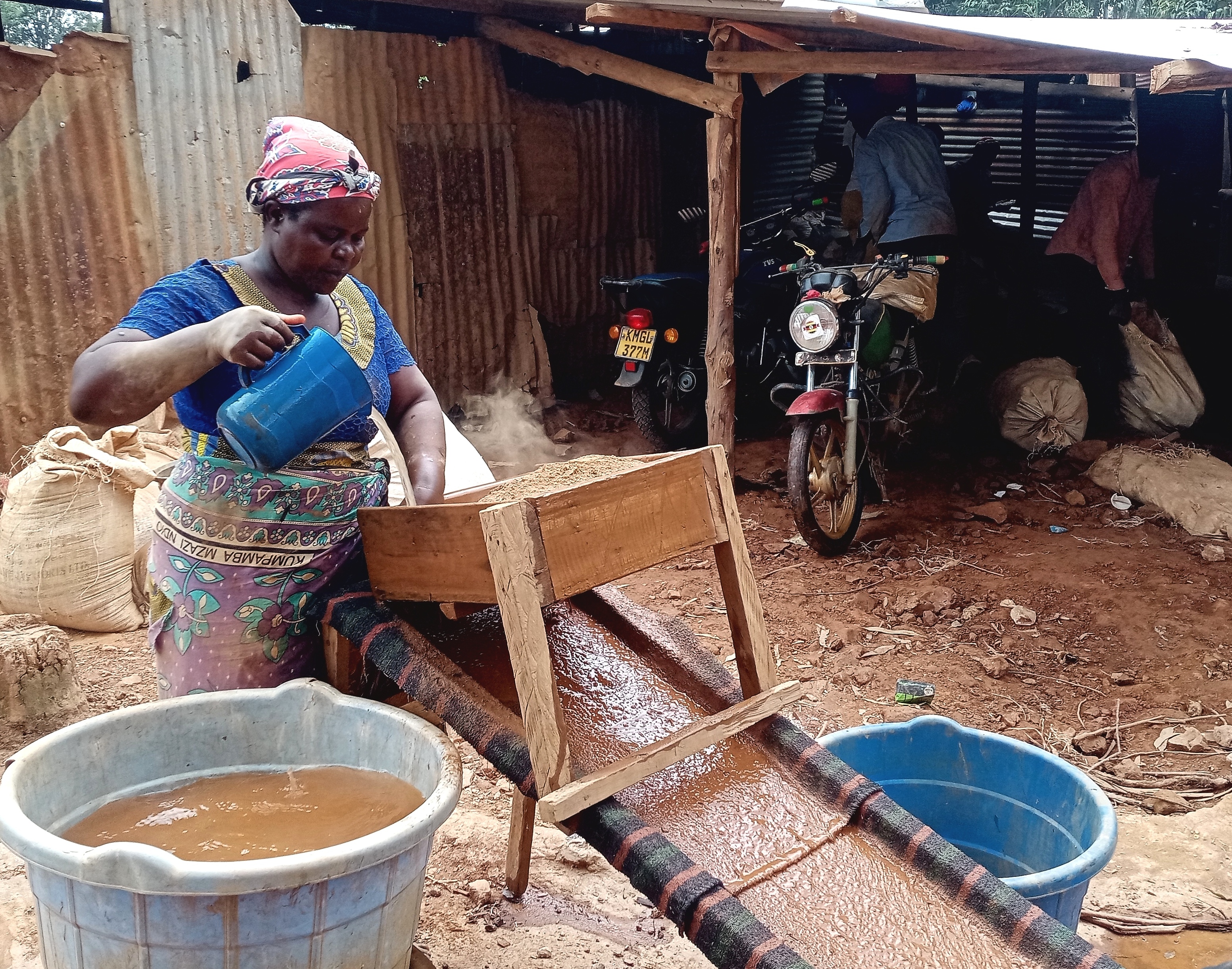
The public participation was held after discovery of gold deposits worth Sh680 billion in the area. The government wants residents to relocate to allow for the exploration.
He also wants the court to halt any relocation, displacement, eviction or interference with ancestral land in the area, arguing that the status quo should be maintained pending determination of the case to prevent further tension and harm.
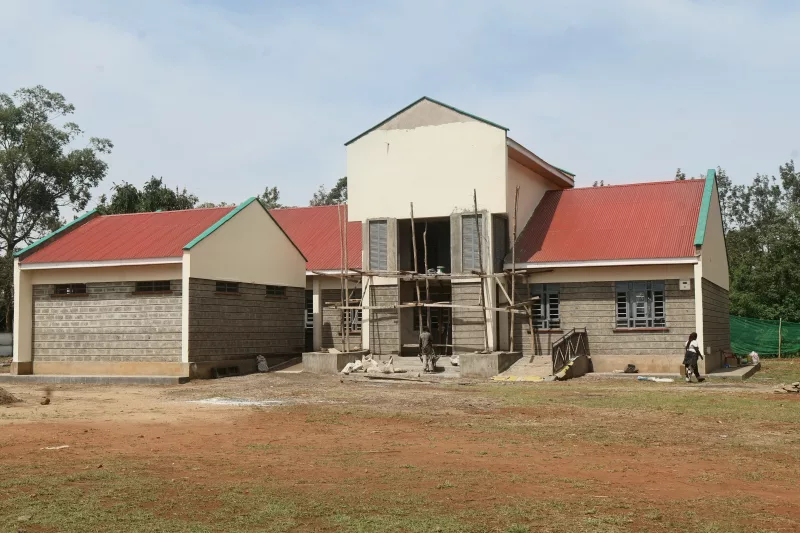
Further, Khaemba is seeking orders compelling compensation for families of the deceased, survivors of gunshot injuries, injured journalists, affected residents and institutions, including reported damage at Emusali primary school.
He also wants the court to direct that lawful public participation be conducted afresh, with respect for ancestral land rights, transparency and full community consent, before any mining activity proceeds.
In addition, the petition seeks urgent medical support for survivors still undergoing treatment, as well as preservation and disclosure of key evidence, including security deployment records, firearm discharge logs, post-mortem reports and medical documentation related to the incident.
The petitioner argues that the violence stemmed from fears of unlawful displacement from ancestral land, and that constitutional safeguards on land rights, dignity, public participation and the right to life were not adequately upheld.
Khaemba further contends that the events occurred in the context of mining activities linked to Shanta Gold, raising serious questions of accountability and public safety.
He claims the company has denied responsibility and has not offered any form of redress to affected families, leaving them without support.