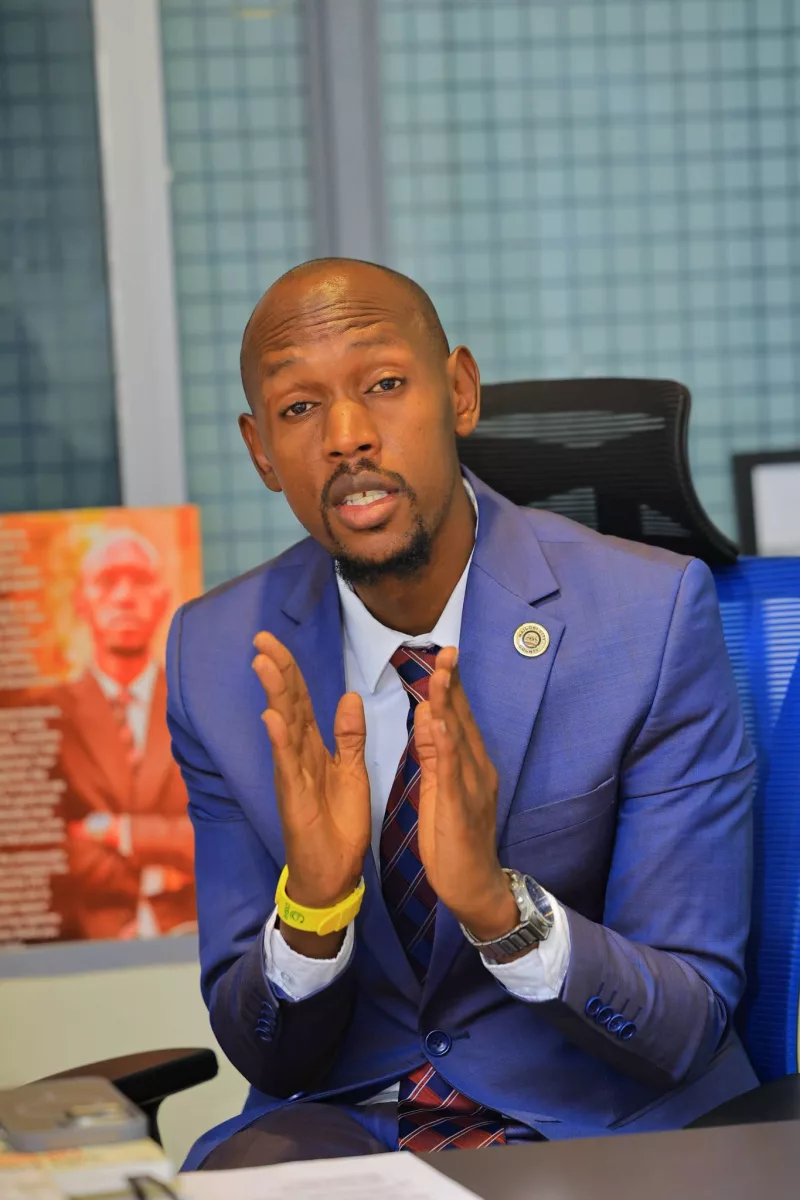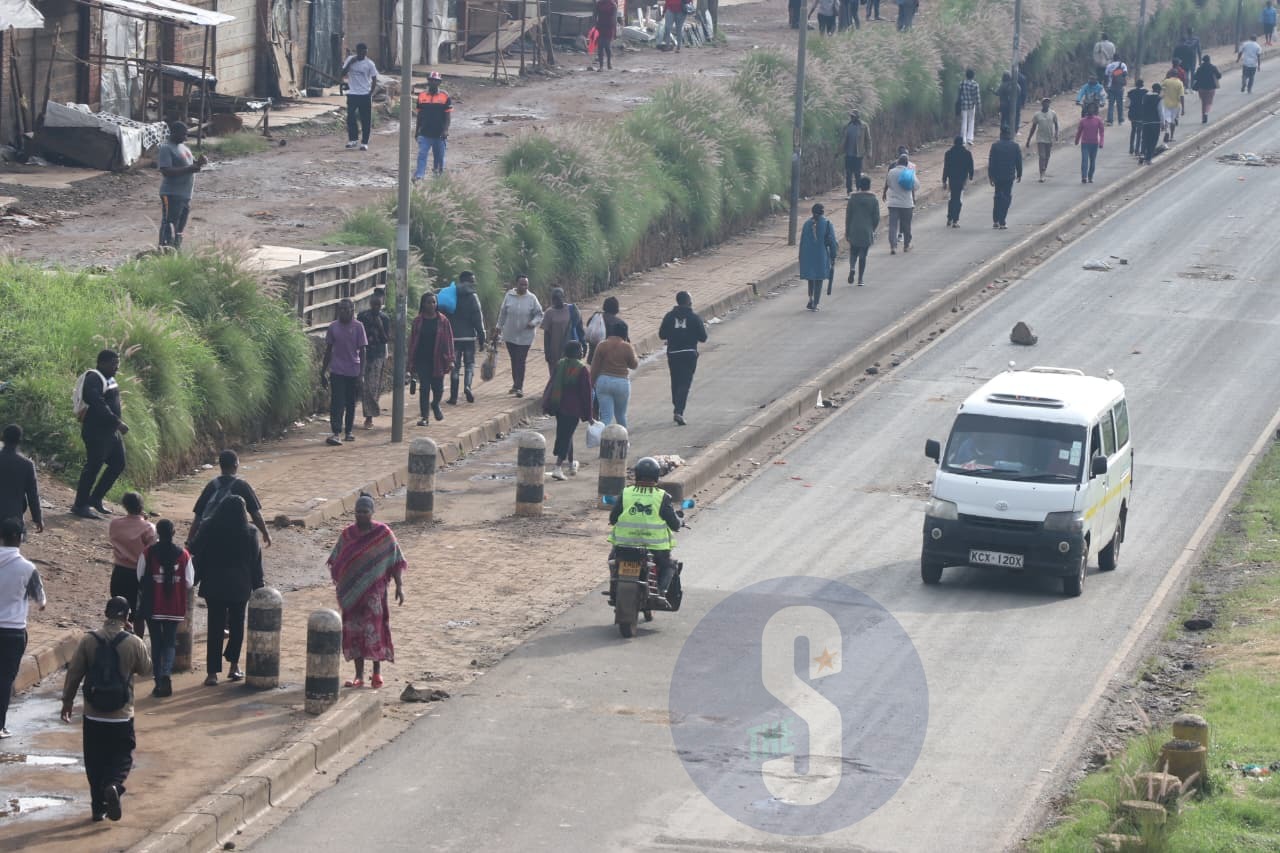
Forward Travellers Chairman Paul Thiong'o has dismissed allegations of bribery following the suspension of a nationwide matatu strike, saying the decision was made in good faith after high-level negotiations with government officials.
Thiong’o said transport leaders engaged in lengthy discussions with senior government officials, including the Interior Ministry, Transport Ministry, Petroleum Ministry, and Nairobi County leadership, over rising fuel prices and taxation concerns affecting the sector.
He said operators pushed for a special parliamentary sitting to review fuel taxation, arguing that legislative action remained the most viable route to lowering fuel costs.
Thiong’o explained that decisions were made through representation structures, noting that it was not possible to include hundreds of industry leaders in a single negotiation meeting.
“We have been trying to drive our point that the legislation is there, that it is a question of calling a special sitting to lower the petrol prices so that taxes can be reduced or waived,” he said.
“Some people have been claiming that we received Sh10.5 million to call off the strike. That is not true. What convinced us was partly the government’s move to reduce fuel prices by Sh10 even before we officially called off the strike. That gave us some confidence that there was at least some goodwill.”
Thiong’o added that leaders were informed that the President was expected to return later in the week, after which further consultations would be held on the way forward.
He noted that much of the delegation’s confidence was placed on assurances given by Nairobi Governor Johnson Sakaja, whom he described as a guarantor in the talks.
However, he acknowledged internal doubts over whether sufficient binding commitments had been secured, saying legal authority to adjust taxation lies with Parliament, even though political influence often shapes outcomes.
“We understand that the legal process is about the legislative power to convene meetings and discuss the matter,” he said.
Thiong’o also defended the decision to suspend the strike, citing past instances where executive announcements on fuel prices were quickly followed by parliamentary action.
On claims that operators had agreed to raise fares significantly, he said adjustments had been limited to about 20 per cent, arguing that operators were facing increased daily costs of between Sh4,000 and Sh5,000 per vehicle.
He clarified that fare increases were not intended to double commuter costs, but to offset rising operational expenses, while awaiting a government solution partially.
While defending the process, he admitted that some stakeholders felt excluded and apologised for the dissatisfaction within parts of the sector.
Thiong’o warned that if ongoing discussions fail to yield results within seven days, transport operators could resume industrial action.