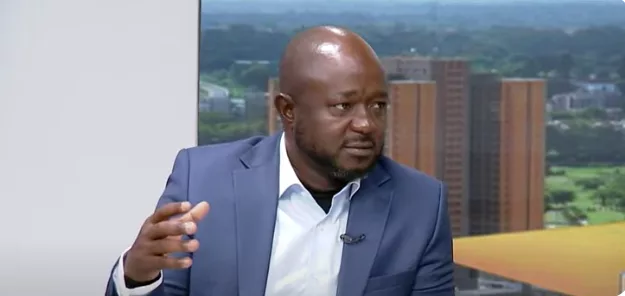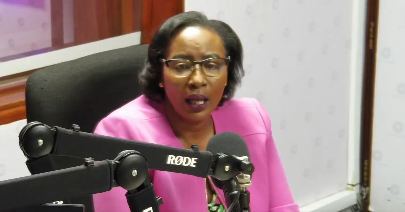
Dagoretti North MP Beatrice Elachi has called on the government to withdraw from the Government-to-Government (G-to-G) fuel import model, arguing that it may expose the country to supply and pricing risks amid global geopolitical instability.
Elachi said the model initially introduced by the government was intended to stabilise fuel prices and improve predictability in the supply chain. However, she noted that it has since become politically contentious.
Speaking on Wednesday, the Legislator argued that recent global disruptions, including the Israel–Iran conflict, highlight vulnerabilities in the system and could lead to future supply challenges.
“When the current government took over, they opted for the Government-to-Government fuel import model. It is a good model because sometimes you can control the prices to ensure stability,” she said during an interview at Radio Citizen.
“The government did not anticipate the Israel–Iran war, but here we are. We shall have problems, disagreements, and we might reach a point where we can’t access fuel anymore.”
She proposed that Kenya should instead allow private fuel marketing companies and agencies to handle imports directly, while the government retains regulatory oversight on pricing.
“I ask the government to withdraw from the G-G fuel model. Let the fuel agencies import the fuel themselves,” she said.
Elachi added that under a market-led import system, fuel agencies would determine pricing structures, but the government would still be expected to intervene and set a fair benchmark or regulatory ceiling to protect consumers.
She further argued that shifting responsibility to private importers would reduce political pressure on the government, noting that public dissatisfaction over fuel prices often ends up being directed at the state regardless of the procurement model in place.
This comes after thousands of Kenyans were forced to walk to work on Monday and Tuesday after a matatu strike paralysed transport across several parts of the country.
The protests, which lasted two days, saw four people dead and more than 30 others nursing serious injuries. It was then called off on Tuesday after talks between the government and transport sector stakeholders.
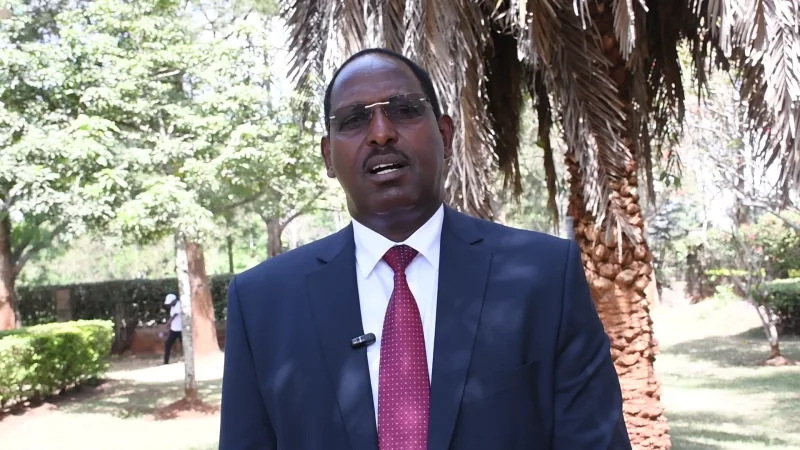
Energy CS Opiyo Wandayi defended the government-to-government fuel importation framework following criticism from former Deputy President Rigathi Gachagua, who termed the arrangement a “fraud” amid rising fuel prices.
“This G-to-G arrangement is a fraud. We were told that it would regulate prices and cushion Kenyans from sporadic changes in pricing systems, but the prices keep going higher,” Gachagua said.
The Democracy for the Citizens Party (DCP) leader argued that the current fuel price crisis had little to do with global oil market trends, claiming that neighbouring countries sourcing fuel from the same Middle East suppliers were selling petroleum products at lower prices than Kenya.
However, on Saturday, Wandayi dismissed the claims, insisting that the framework was not a new initiative and had previously been supported by Gachagua while he served as Deputy President.
“This issue of government-to-government fuel importation did not start yesterday or today,” Wandayi said.