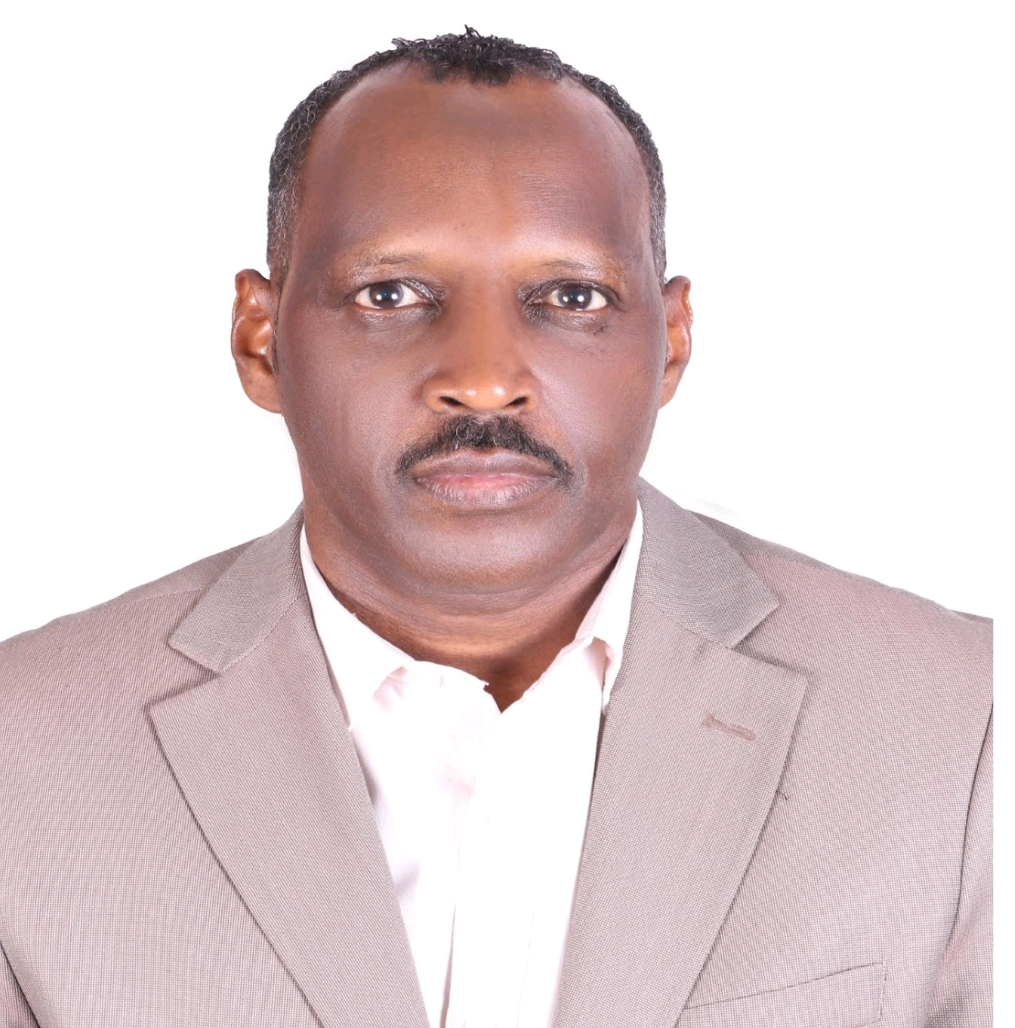
 Hon. Salah Maalim Alio – Governance, Leadership, Peace and Security Management Specialist, Horn of Africa./HANDOUT
The appointment of Adan Mohamed Abdulla as Commissioner General of the Kenya Revenue Authority through Special Gazette Notice No. 7379 dated 18th May 2026 is more than a routine government appointment. It is a defining national moment that reflects Kenya’s gradual embrace of merit, competence, and inclusive leadership.
For many Kenyans, especially those from historically marginalised regions, the story of Adan Mohamed is deeply symbolic. It is the story of a nomadic boy raised in Kutulo in Mandera County who once herded goats in the arid plains of northern Kenya, rising through academic excellence, professional discipline, and public service to become the head of one of the country’s most strategic institutions.
KRA is not an ordinary public office. It is the engine room of government financing. Every road, school, hospital, security operation, and development project depends significantly on the efficiency, integrity, and vision of the tax authority. At a time when Kenya faces growing fiscal pressure, debt obligations, and demands for increased domestic revenue mobilisation, the country requires a leader with technical understanding, institutional maturity, and international credibility. Adan Mohamed Abdulla appears to embody all three.
His appointment did not emerge from political theatre or populist excitement. Rather, it reflects decades of consistent achievement in academia, banking, corporate governance, and Cabinet-level public administration.
Those familiar with his background understand that his journey was never guaranteed. Coming from Kutulo, an area where access to educational opportunities was historically limited, excelling academically required extraordinary discipline. Yet Adan distinguished himself early as one of the brightest students from northeastern Kenya. His educational progression from Mandera to nationally competitive schools demonstrated rare intellectual consistency and determination.
At the University of Nairobi, he pursued commerce and accounting studies with distinction, laying the foundation for what would later become a remarkable career in finance and strategic management. His professional development through global institutions, including advanced corporate and financial exposure internationally, sharpened his understanding of complex fiscal systems, institutional efficiency, and accountability frameworks.
But perhaps what makes him uniquely suitable for KRA leadership is the combination of technical competence and practical executive experience.
Before entering government, Adan Mohamed built an impressive reputation in the banking sector, becoming one of the region’s most respected financial executives. His tenure at Barclays Bank Kenya, now Absa Bank Kenya, placed him among East Africa’s internationally ranked banking leaders. Managing a major commercial bank requires mastery of compliance systems, risk management, revenue forecasting, digital transformation, and institutional governance — precisely the areas critical for a modern revenue authority.
KRA today is not merely about collecting taxes. It is about restoring public trust, widening the tax base without suffocating businesses, leveraging technology to reduce leakages, and aligning revenue systems with economic growth. These are areas where Adan Mohamed’s banking background becomes particularly relevant.
Equally significant is his decade-long experience in Cabinet. Serving in senior government positions exposed him to the realities of public finance, industrialisation policy, investor confidence, and national economic planning. During his tenure in government, Kenya pursued reforms aimed at improving the ease of doing business, enhancing investment competitiveness, and expanding manufacturing potential. Such exposure gave him a broader appreciation of the relationship between taxation and economic productivity.
A successful KRA Commissioner General must understand that excessive tax pressure can discourage enterprise, while weak enforcement undermines state capacity. Balancing those competing realities requires strategic thinking, calm leadership, and institutional diplomacy — qualities many observers associate with Adan Mohamed.
His appointment also carries a powerful national inclusion message. For decades, northeastern Kenya produced talented professionals whose contributions rarely translated into representation within top national institutions. That narrative is steadily changing.
The recent rise of professionals from Mandera County into influential national appointments — including positions in the Independent Electoral and Boundaries Commission, the National Land Commission, and now the Kenya Revenue Authority — reflects the growing integration of frontier-region talent into the national governance architecture.
This evolution has also been supported by the increasing political stability and strategic engagement associated with leaders from the region, including Governor HE Mohamed Adan Khalif and UDM Party leader Senator Captain Ali Ibrahim Roba, whose cooperation with the Kenya Kwanza administration has strengthened the region’s visibility within national governance conversations.
Ultimately, the appointment of Adan Mohamed Abdulla sends an important message to young Kenyans: that humble beginnings do not define destiny. A boy from the nomadic plains of Kutulo can rise through education, discipline, professionalism, and integrity to lead one of the Republic’s most consequential institutions.
That is not merely a personal triumph. It is Kenya at its best.
The writer is a Governance, Leadership, Peace and Security Management Specialist, Horn of Africa.