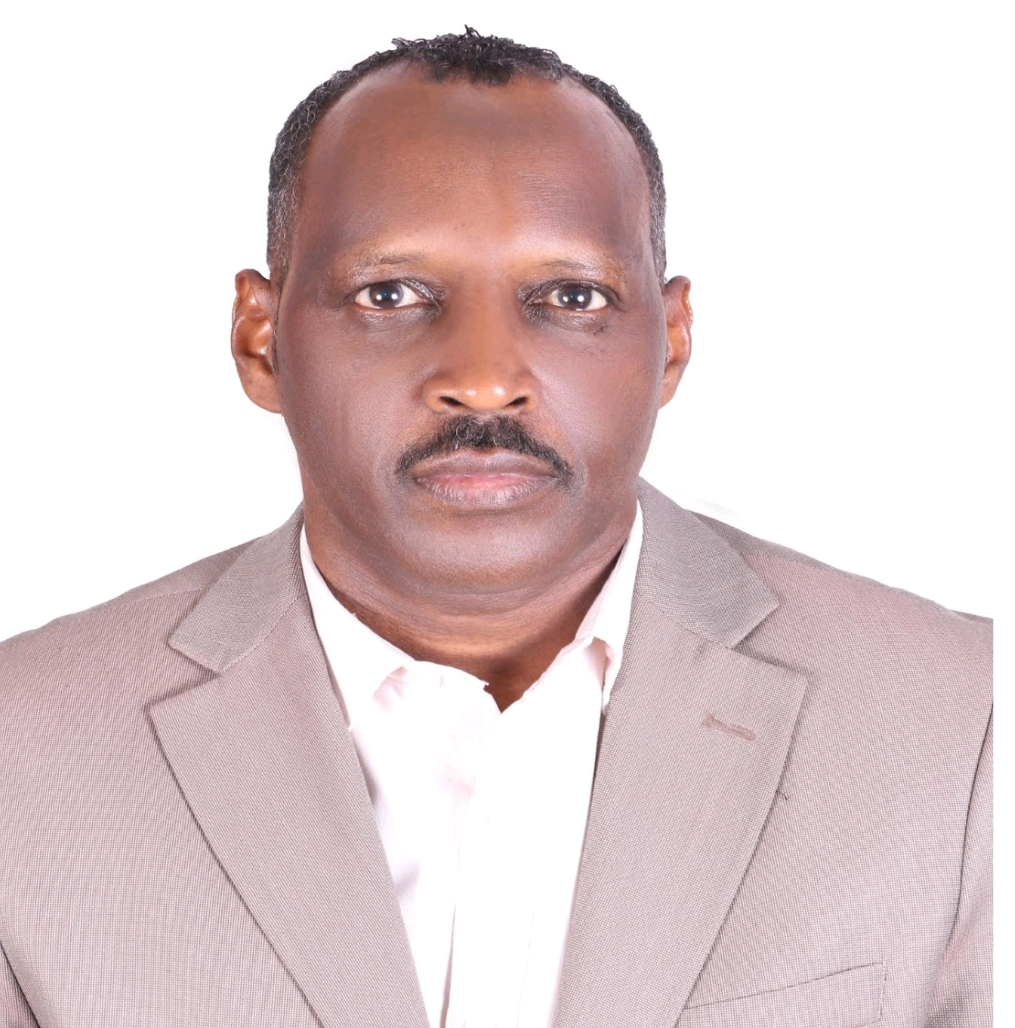
 Hon Salah Maalim Alio – Governance, Leadership, Peace and Security Management Specialist – Horn of Africa.
In a country where public institutions shape the everyday lives of millions, the appointment of a commissioner general for the Kenya Revenue Authority is not merely an administrative decision — it is a national statement about integrity, competence, and vision. KRA has advertised for the position of Commissioner General and shortlisted qualified Kenyans, but I found it interesting that the former CEO of Barclays Bank and CS for industrialisation is among those set for interview. We wish them all the best of luck.
But if Adan Mohamed Jari succeeds in the ongoing interview process, Kenya will have entrusted one of its most critical institutions to a man whose life story reflects resilience, discipline, and excellence.
Adan Mohamed Jari’s journey begins in Kutulo, a remote village area in Mandera County, where opportunities were limited and educational success was rare. Born the son of a chief, he understood both the realities of ordinary citizens and the responsibilities of leadership from an early age.At a time when northeastern Kenya faced historical marginalisation, his determination distinguished him from his peers. Excelling in the Certificate of Primary Education examinations, he earned admission to Mandera School before later joining Kangaru High School after scoring Division One – an achievement that marked him as one of the region’s brightest and most brilliant young minds.
His academic excellence did not end there. At the University of Nairobi, he pursued a Bachelor of Commerce degree and graduated with first-class honours, excelling particularly in accounting and analytical subjects. Such achievements require more than intelligence; they demand consistency, discipline, and a commitment to excellence. These are the same qualities required to lead a modern tax authority in a complex economic environment.
What makes Adan Mohamed especially suitable for KRA leadership is the rare combination of technical expertise and practical leadership experience he has accumulated over decades. After university, he advanced professionally to become a respected chartered accountant, later receiving further training in London through PricewaterhouseCoopers. His academic and professional journey eventually took him to the globally renowned Harvard Business School, where he earned an MBA. This global exposure equipped him with modern financial, managerial, and strategic skills that are indispensable in today’s rapidly evolving economic systems.
However, credentials alone do not make a successful public servant. Adan Mohamed has already demonstrated his capacity to deliver results in both the private and public sectors. During his tenure as Managing Director of Barclays Bank Kenya, now Absa Bank Kenya, the institution became one of the most profitable banks in East Africa. Such success reflects his ability to manage large institutions, improve efficiency, inspire confidence, and oversee complex financial systems – all central responsibilities of the Commissioner General of KRA.
His later service as Cabinet Secretary further strengthened his suitability for national leadership. As Cabinet Secretary for Industrialisation and Enterprise Development, he spearheaded reforms that significantly improved Kenya’s ease of doing business ranking globally. He also championed industrial transformation programmes designed to encourage local manufacturing, job creation, and economic growth. These achievements reveal a leader who understands how revenue collection must connect with broader economic development rather than merely taxation alone.
Equally important is his reputation for professionalism and calm leadership. In an era where public confidence in institutions depends heavily on transparency and accountability, Kenya requires a KRA leader capable of balancing firmness with fairness. Adan Mohamed’s track record suggests a leader who values institutional credibility and strategic thinking rather than political theatrics.
His humble background is perhaps the most inspiring aspect of his story. For many young Kenyans from marginalised communities, his rise from Kutulo to national prominence symbolises the transformative power of education and determination. His success reminds the country that talent exists in every corner of Kenya and that national leadership should reflect merit, hard work, and integrity.
At a time when Kenya seeks stronger economic stability, efficient tax administration, and increased public trust in state institutions, Adan Mohamed Jari represents experience, intellect, and proven leadership. Should he succeed in the interview, many Kenyans would view his appointment not simply as a personal achievement but as a victory for meritocracy, professionalism, and the enduring belief that humble beginnings can produce extraordinary national leaders.
The writer is a Governance, Leadership, Peace and Security Management Specialist, Horn of Africa