 Pan African media summit/MCK
The Pan-African Media Summit has called for long-term continental cooperation to strengthen journalism, safeguard information integrity, and ensure the sustainability of the media sector across Africa’s rapidly evolving digital landscape.
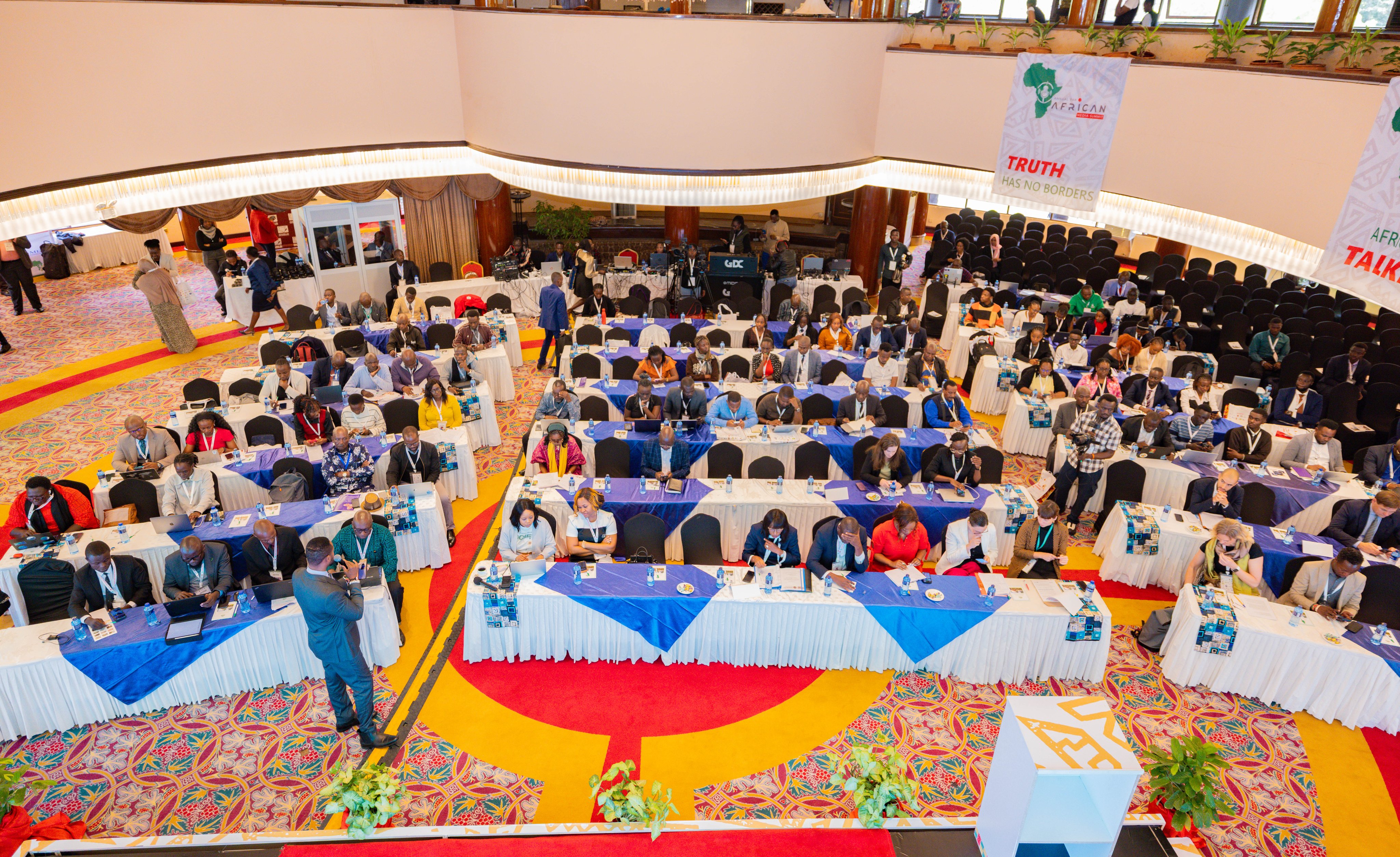
Held in Nairobi from May 13 to 15, 2026, the summit marked the first of its kind.
It brought together a wide range of stakeholders, including policymakers, journalists, editors, regulators, civil society actors, technology companies, academics, and development partners.
The event was convened by the Media Council of Kenya (MCK) in collaboration with the Organisation for Economic Co-operation and Development (OECD), the Kenya Union of Journalists (KUJ), the Kenya Editors Guild (KEG), and the Association of Media Women in Kenya (AMWIK).
At the heart of the summit’s deliberations was a shared recognition that Africa’s media environment is undergoing rapid transformation driven by digital technologies, artificial intelligence, and online platforms.
Participants warned that while these developments have expanded access to information, they have also introduced new risks, including misinformation, coordinated online manipulation, cyber harassment, and declining public trust in media institutions.
In their communiqué, participants stressed that ensuring access to “reliable, timely, evidence-based, plural, and accurate information” remains fundamental to democratic governance and development.
They reaffirmed the essential role of a “free, independent, pluralistic, and sustainable media” in safeguarding democratic values across the continent.
A central outcome of the summit was a strong call for structured and long-term cooperation among African states, regulators, media actors, and global technology companies.
Participants underscored the need for “strengthened structured, multi-stakeholder engagement between African regulators, technology platforms, and other relevant actors,” aimed at promoting transparent and accountable governance of digital information systems while protecting freedom of expression.
The summit also emphasised the importance of institutionalising the Pan-African Media Summit as an annual platform for dialogue and coordination.
Delegates supported the creation of a representative mechanism to guide future convenings, ensuring continuity and sustained engagement on issues affecting the media industry across the continent.
Participants further called for enhanced collaboration with technology companies to improve transparency around algorithms, content moderation systems, and data practices.
According to the communiqué, such transparency is necessary to build public trust and ensure accountability in the digital information ecosystem.
"The financial sustainability of media was raised as a pressing concern for the continent, with traditional business models struggling to adapt to the digital age and impacting the quality of reporting," the communiqué states.
The participants urged a comprehensive approach involving policy reform, public funding, innovation, and partnerships to support media viability and protect public interest journalism.
The summit also highlighted the growing challenges of media ownership concentration, warning that it risks limiting diversity of voices and perspectives.
Participants expressed concern over the decline of local journalism and newsroom diversity, which they said undermines accountability and reduces coverage of community-level issues.
Young people were identified as a critical demographic in shaping the future of media in Africa.
The summit called for strengthened media and information literacy programmes to equip youth with the skills needed to navigate complex digital environments and resist misinformation.
Ultimately, the Nairobi summit marked a significant step toward building a coordinated continental response to the challenges facing African media.