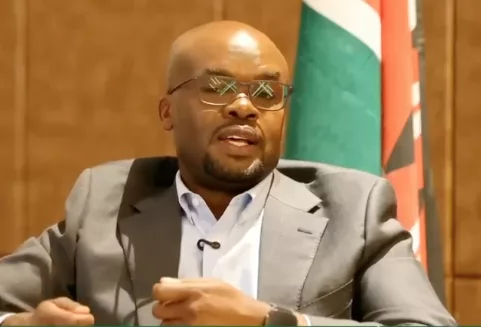
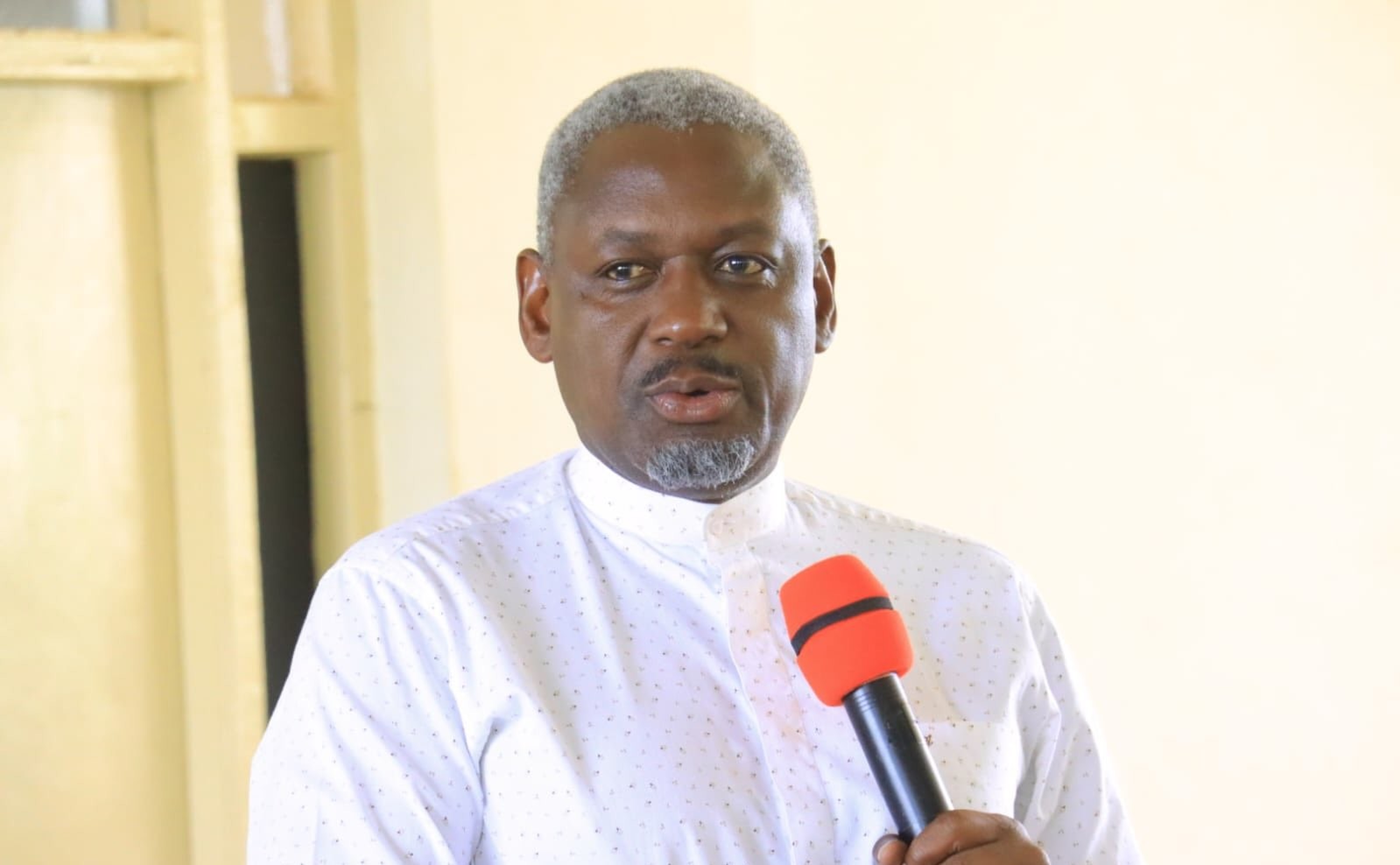
 Senior counsel and Rarieda MP Otiende Amollo. /OTIENDE AMOLLO/X
A motion by Nandi Senator Samson Cherargei seeking to withdraw or significantly reduce the retirement benefits and allowances of former President Uhuru Kenyatta has no real chance of succeeding, senior counsel Otiende Amollo has said.
Cherargei filed the motion on Monday, May 4, proposing revocation or reduction of Uhuru's retirement allowances and benefits due to alleged continued active involvement in politics.
The motion alleges that Uhuru has violated the Presidential Retirement Benefits Act by engaging in active, partisan politics, listing instances when the former President allegedly addressed political rallies supporting political actors in violation of the requirement for a retired President to remain neutral.
Uhuru irked a section of members of the broad-based government when he addressed Jubilee Party members via phone during an event in Narok county, a move his critics in the UDA wing of the government said violates Section 6 of the Presidential Retirement Benefits Act.
However, some of the country's top legal minds have dismissed Cherargei's motion as an exercise in futility, saying the move to reduce or withdraw Uhuru's retirement perks faces potential legal challenges.
The latest to weigh in on the matter is Rarieda MP Otiende Amollo, who described the motion as nothing more than a waste of time.
"Some debates are really a waste of time. This purported Motion by Senator Cherargei is idle and not worthy of discussion," he said on X.
The constitutional lawyer cited legal safeguards, which he said protect retired Presidents and Deputy Presidents from suffering undue disadvantage regarding variation of their benefits.
"The benefits due to any former President cannot be altered to their disadvantage during their lifetime. We specifically inserted this in the Constitution 151(3)," he said.
The piece of legislation states: "The retirement benefits payable to a former President and a former Deputy President, the facilities available to and the privileges enjoyed by them, shall not be varied to their disadvantage during their lifetime."
Uhuru retired in 2022 after serving two terms and currently enjoys perks provided under the Presidential Retirement Benefits Act.
He has, however, openly backed former Interior Cabinet Secretary Fred Matiang'i as the Jubilee Party presidential candidate in 2027.
During the Narok phone address, he said he is not actively involved in politics but has a right to defend the interests of the Jubilee Party.
"The truth is, I am not in active politics, but I have a right to defend my party. I am not seeking any position, but I am a member of Jubilee fully—by conviction, by commitment and by loyalty," he said.
His remarks drew criticism from sections of the broad-based wing of government, who interpreted them as a signal of a return to active politics.
Other than Otiende, other advocates have termed Cherargei's motion a tall order, arguing there is no way the benefits can be easily stripped.
The debate centres on interpreting the Presidential Retirement Benefits Act regarding active participation in political party leadership and the extent to which a former president can comment on current political affairs.
Cherargei argues that Uhuru violated Section 4 of the Presidential Retirement Benefits Act by remaining active in politics three years post-retirement.
He contends that state funds cannot be used to "attack the government" and that benefits should be slashed after an audit to protect public funds.
Other voices supporting this view argue that Uhuru's continued political activity undermines the dignity of the office of a retired President, thus making the withdrawal of benefits legally justified.
However, several legal minds have framed the motion as baseless, questioning the viability of the proponents marshalling enough support in Parliament to pass the motion.
The law requires that any motion be supported by a two-thirds majority of the House—45 out of the 68 elected and nominated senators.
“Can UDA and the broad-based government marshal a two-thirds majority vote?” city lawyer Danstan Omari asked.
He said a grey area still exists even if the Senate were to pass the motion.
“In impeachment, after the National Assembly passes by a two-thirds majority, the matter proceeds to the Senate. In this Act, it is not clear whether, once the Senate passes the motion, it goes to the National Assembly,” Omari said, noting that the law remains unclear on the next procedural step.