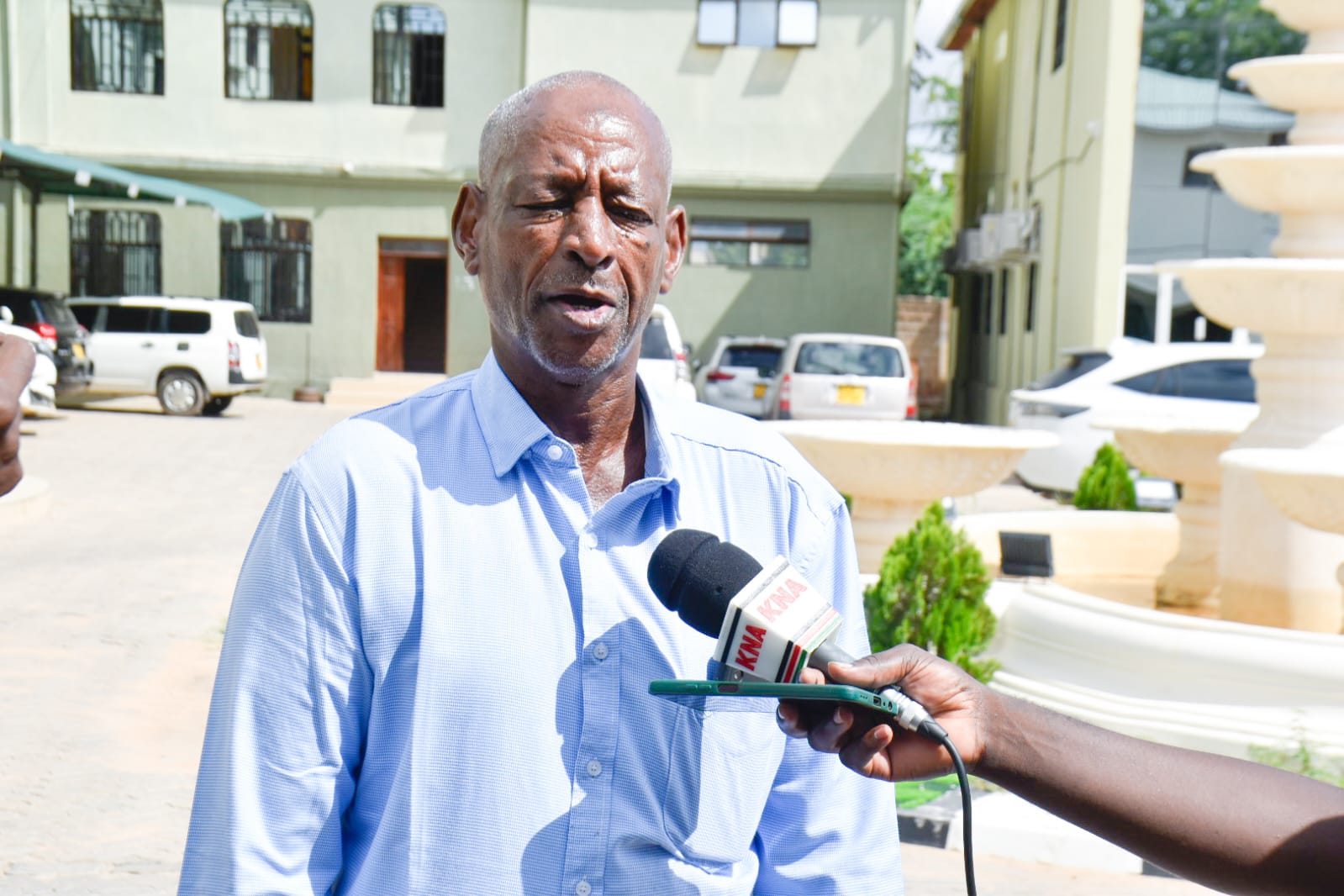
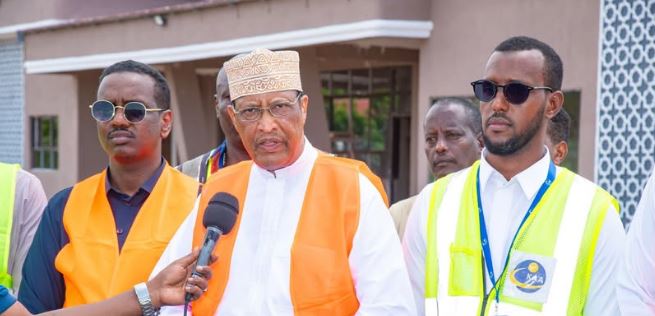
Jarajila Ward MCA Noor Sheikh Farah speaking to the press./STEPHEN ASTARIKO
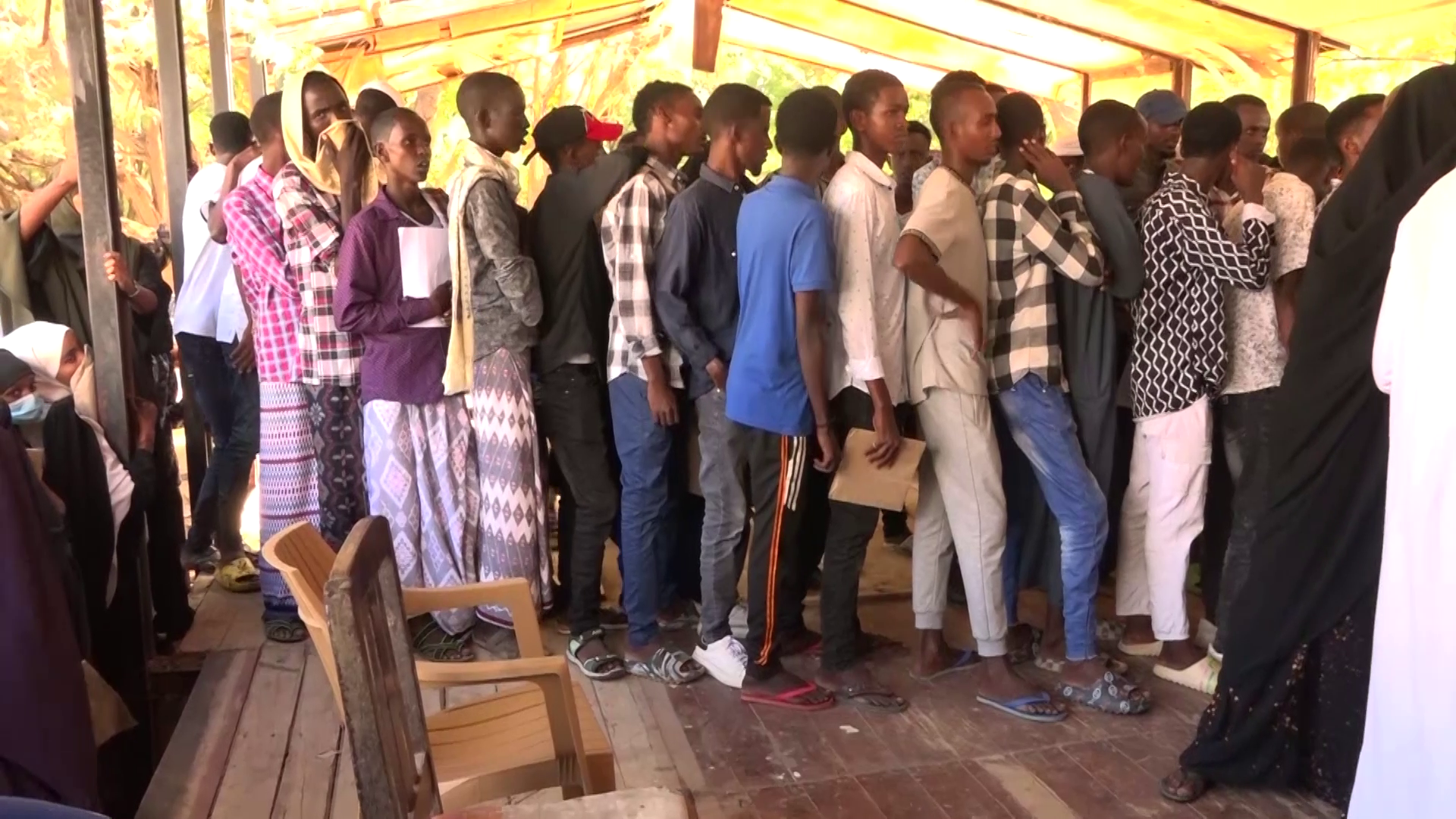
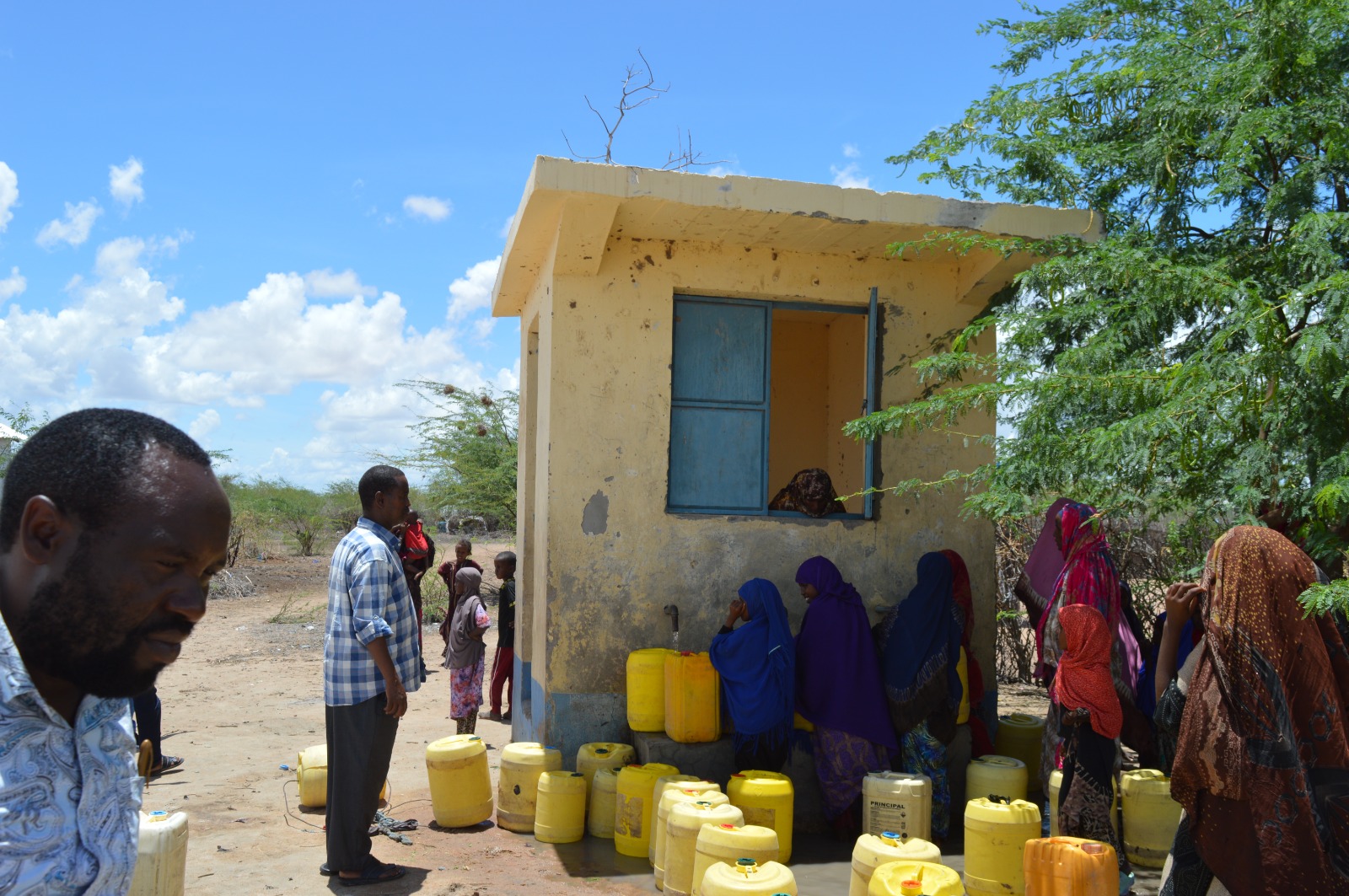
Refuges’ from Ifo camp lining up for registration ./STEPHEN ASTARIKO
Jarajila MCA criticizes refugee integration plan over lack of public involvement
Jarajila Ward MCA Noor Sheikh Farah has strongly opposed ongoing plans to integrate the Dadaab refugee complex with surrounding communities, citing a lack of transparency and public participation in the process.
Farah, who also chairs the County Assembly’s Special Program Integration Coordination of NGOs and Security Committee, warned that the proposed integration carries significant consequences for local residents and must involve their input at every stage.
According to the MCA who addressed journalists at the County Assembly, both elected leaders and the public have largely been excluded from discussions, with only a handful of individuals driving the process.
Farah emphasized that the integration process has been ongoing for several years without proper consultation or approval through the County Assembly, which he described as a key institution representing the people.
“This matter has been with us for four years, yet the Assembly has never been formally informed. We are learning about it just like ordinary citizens,” he said.
“The integration is being undertaken without following constitutional procedures. There has been no meaningful public participation, and even Members of the County Assembly remain unaware of what is happening,” he added.
He expressed concern that despite his leadership role in the relevant committee, he has not been briefed on the initiative, alleging that substantial funds have already been spent without proper oversight.
He further claimed that resources provided by the World Bank were intended to address community needs but have not been transparently accounted for.
He said past assurances given by international partners regarding benefits for host communities have not been honored recalling engagements with UN leadership, including commitments that at least 10 percent of refugee-related programs would benefit local residents, promises he says remain unfulfilled.
Farah lamented that local residents have borne the burden of hosting refugees for years without corresponding benefits.
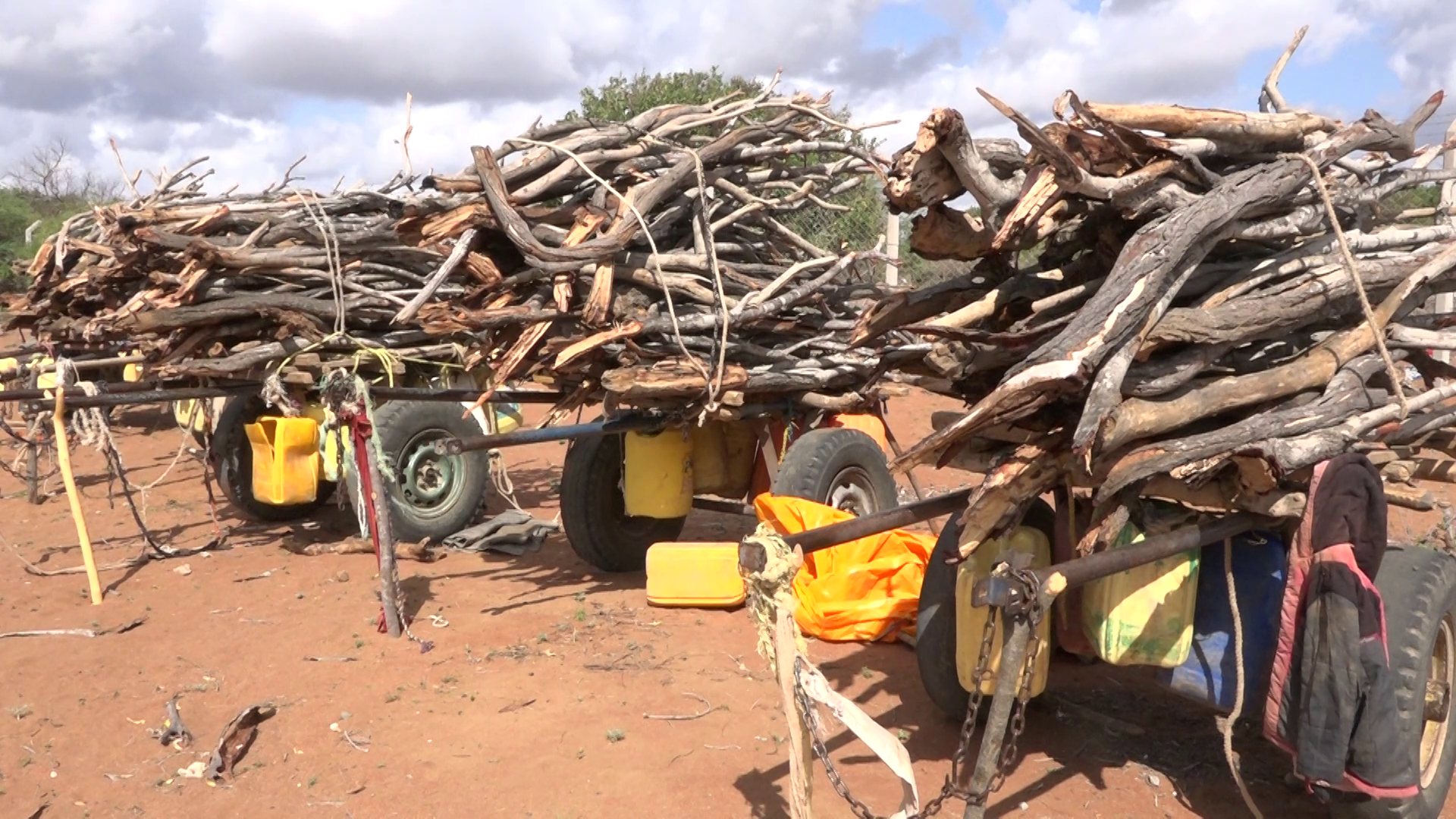
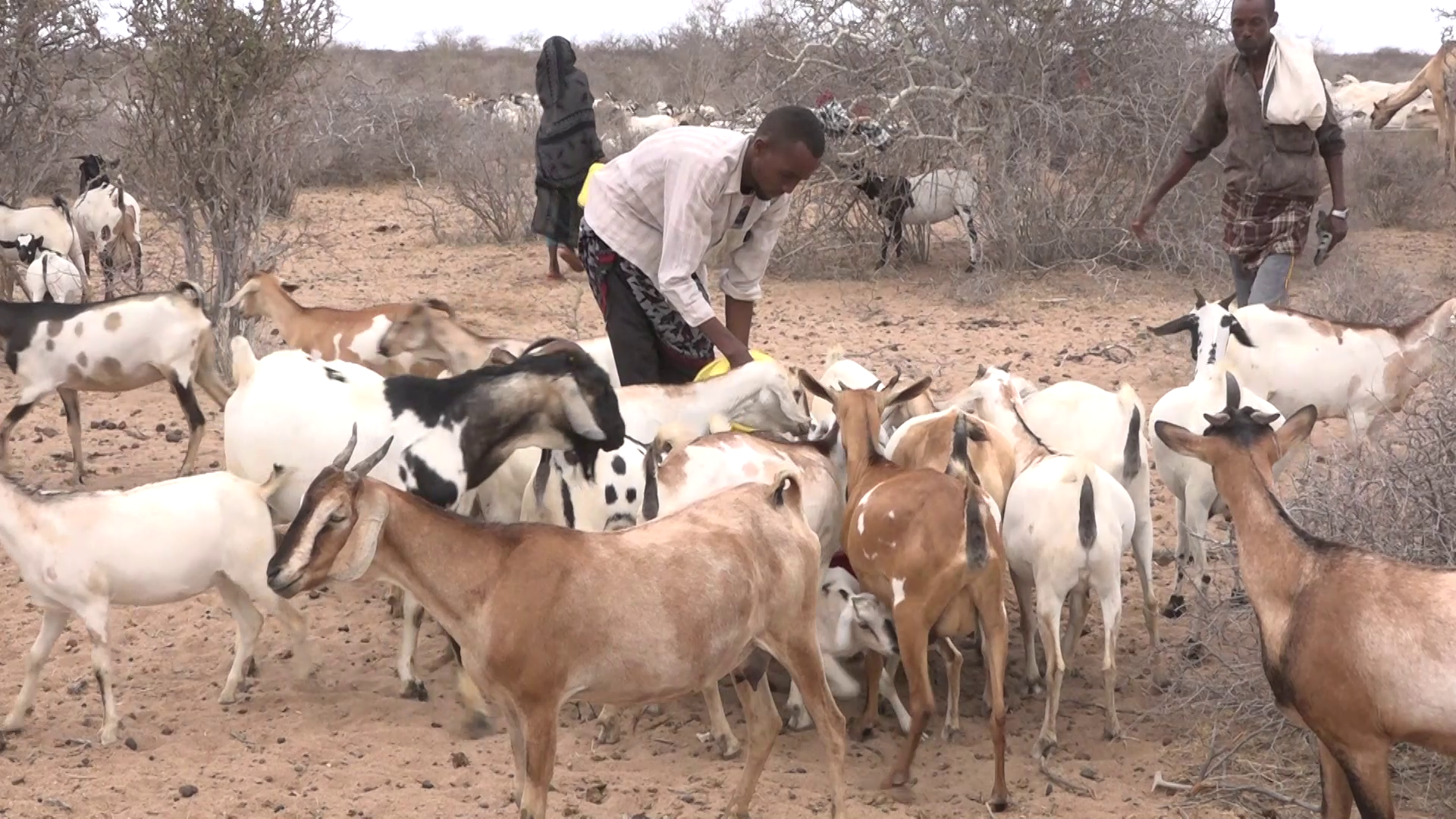
“Our community has suffered. Pastoralists are struggling due to lack of pasture, and the environment has been severely degraded,” he said.
He urged Interior Cabinet Secretary Kipchumba Murkomen to urgently visit Garissa and address the concerns raised by the host community regarding the integration plan.
“This is a matter of life and death. The Ministry must come clean and address it openly,” he stated.
The MCA also warned that local leaders may reconsider their political support if the government fails to clarify the process and involve stakeholders adequately.
Dadaab remains Kenya’s largest refugee complex, hosting approximately 442,934 refugees as of November 2025.
Over the years, it has evolved into one of the world’s longest-standing refugee settlements, with many residents living there for decades.
A shift in policy began with the Refugees Act of 2021, which established a framework for improved protection and inclusion of refugees.
In February 2022, the government announced plans to move away from camp-based systems toward integrating refugees into host communities.
This approach was further reinforced in 2023 with the launch of the Shirika Plan, a government initiative aimed at transitioning refugees from long-term dependency on camps to self-reliance through economic, social, and legal reforms.
The plan, unveiled in the presence of President William Ruto, seeks to allow refugees to work legally, access essential services, and establish businesses.
Ultimately, the policy envisions transforming camps such as Dadaab and Kakuma into fully integrated municipalities managed by county governments.
Ends………..
Comments 0
Sign in to join the conversation
Sign In Create AccountNo comments yet. Be the first to share your thoughts!