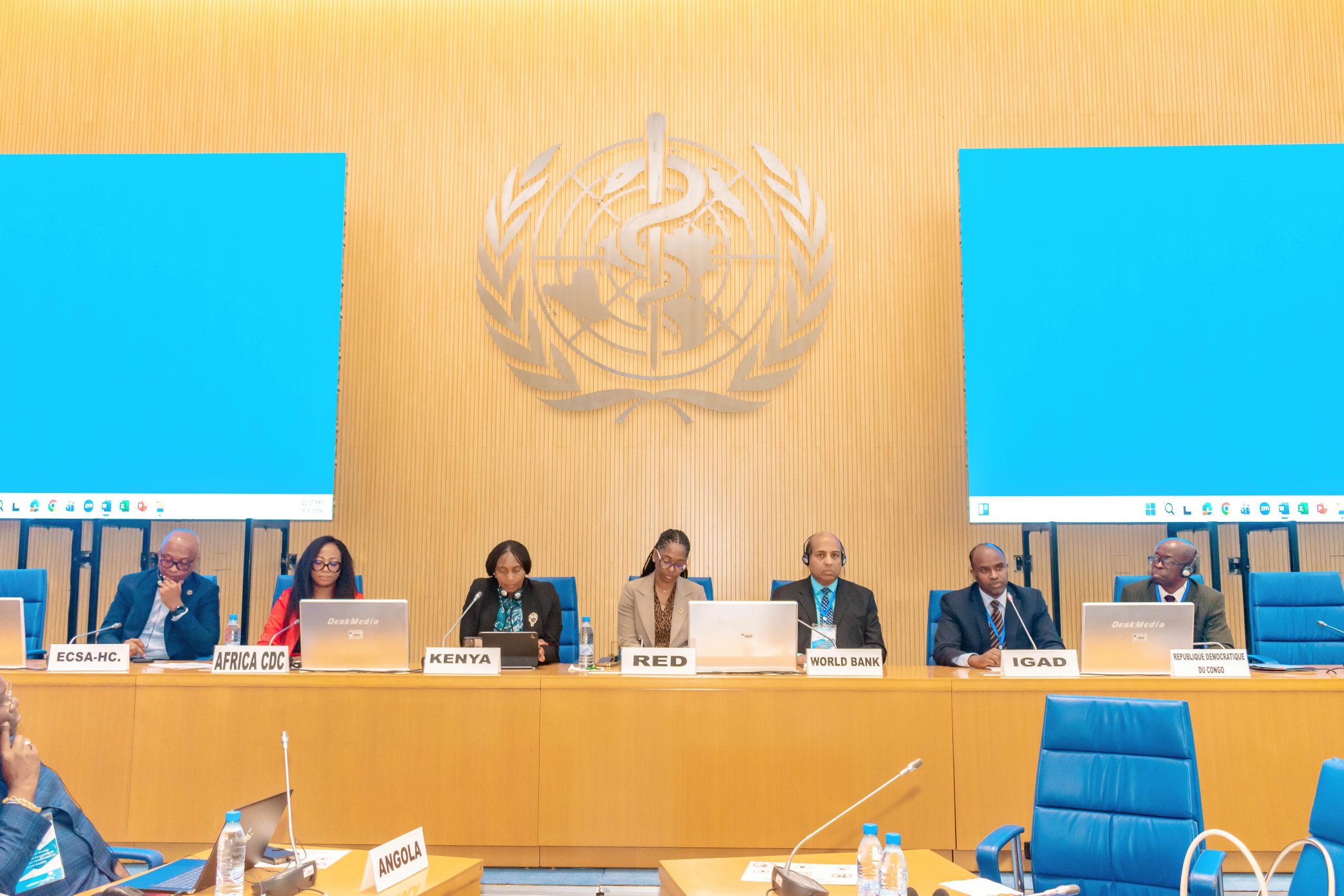
 African Permanent and Principal Secretaries for Health during a high-level consultative meeting on cross-border collaboration for health security in Brazzaville, May 6, 2026. /MARY MUTHONI/X
Kenya has been thrust to the centre of continental health policy formulation and coordination following the election of Public Health and Professional Standards Principal Secretary Mary Muthoni as chairperson of the African Permanent and Principal Secretaries for Health.
The development marks both a personal milestone for Muthoni and a strategic elevation of Kenya’s influence in shaping Africa’s health agenda at a time when the continent is accelerating efforts to build self-reliant systems amid declining external funding.
Muthoni was elected during a high-level consultative meeting on cross-border collaboration for health security in Brazzaville, a forum that underscored growing momentum toward unified and coordinated continental responses to public health challenges.
Permanent and Principal Secretaries for Health serve as the chief administrative and accounting officers in their respective ministries.
They are responsible for policy implementation, budget oversight and strengthening national health systems, while spearheading flagship programmes such as Universal Health Coverage (UHC), disease prevention and cross-border health security initiatives.
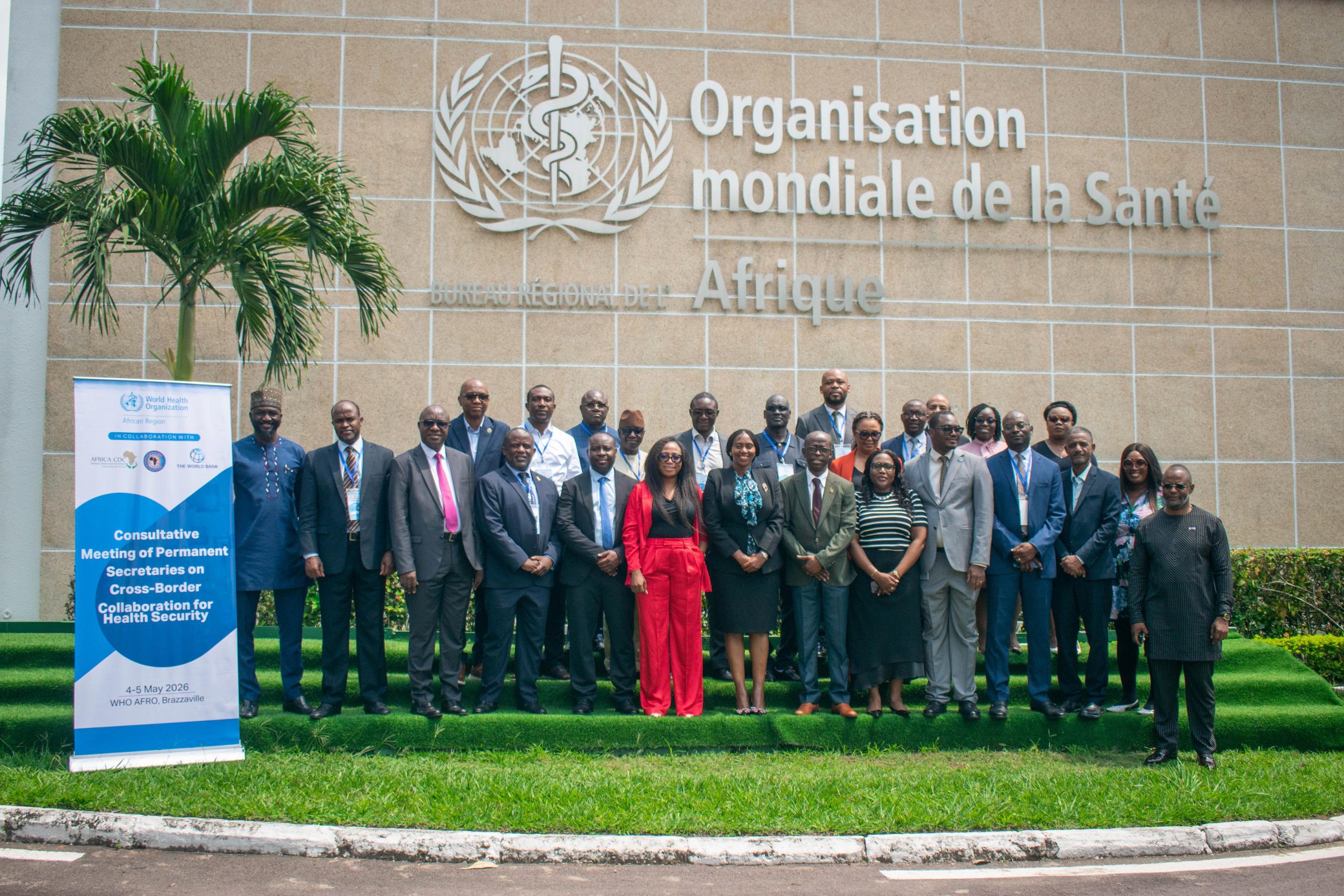 African Permanent and Principal Secretaries for Health during a high-level consultative meeting on cross-border collaboration for health security in Brazzaville, May 6, 2026. /MARY MUTHONI/X
In her acceptance, Muthoni framed the role as a collective mandate for deeper cooperation across the continent.
"I am deeply honoured by the trust placed in me, which reflects our shared commitment as African nations to strengthen cooperation across health sectors, enhance coordinated responses to cross-border health threats, and build resilient, future-ready health systems through collective leadership and strategic partnerships," she said.
She said Kenya stands to benefit strategically from the position through enhanced regional engagement and influence.
The PS said for Kenya, the position presents a strategic opportunity to strengthen regional collaboration, enhance coordination in disease surveillance and response, and tap into shared expertise, innovation and best practices.
"It also elevates the country’s role in shaping continental health priorities, mobilising partnerships and accelerating progress towards Universal Health Coverage while safeguarding the health of our communities," she said.
Her election comes against the backdrop of a broader continental shift towards health sovereignty, with African countries increasingly prioritising domestic solutions and sustainable financing models after decades of reliance on donor support that often left systems exposed to shocks.
In the aftermath of the Covid-19 pandemic, Africa has intensified efforts to reverse its dependence on imported medical supplies.
The continent, which previously imported more than 99 per cent of its vaccines, is now investing in local manufacturing capacity.
Countries such as Kenya and Rwanda are also scaling up digital health systems and rolling out free primary healthcare programmes to expand access.
At the grassroots level, governments are strengthening outreach by training community health workers to deliver essential services in underserved areas, as demonstrated by Kenya, Rwanda and Uganda.
The interventions are aimed at bridging long-standing gaps in access to care.
Simultaneously, several countries are increasing domestic health budgets, expanding local production of essential medicines and diagnostics, including HIV and malaria test kits, and introducing “health taxes” on harmful products to fund public health services and reduce dependency on external financing.
Continental institutions such as the Africa Centres for Disease Control and Prevention are also playing a more assertive role by strengthening regional disease surveillance systems, supporting outbreak response and advancing efforts to eliminate Neglected Tropical Diseases such as leprosy and Guinea worm.
Muthoni’s new role places Kenya at the centre of these evolving dynamics, with expectations that the country will help drive coordination, policy alignment and innovation as Africa pushes toward resilient, self-sustaining health systems.