Garissa’s long thirst begins to ease as water finally flows closer to home
For years, mornings in parts of Garissa County began with a calculation: how far to walk, how much to carry, and whether the water at the end of the journey would even be safe.
In villages like Yumbis, Labisigale, and Hagadera, the search for water has shaped daily life for decades. Children missed school to trek across dry, open land. Families rationed what little they could collect.
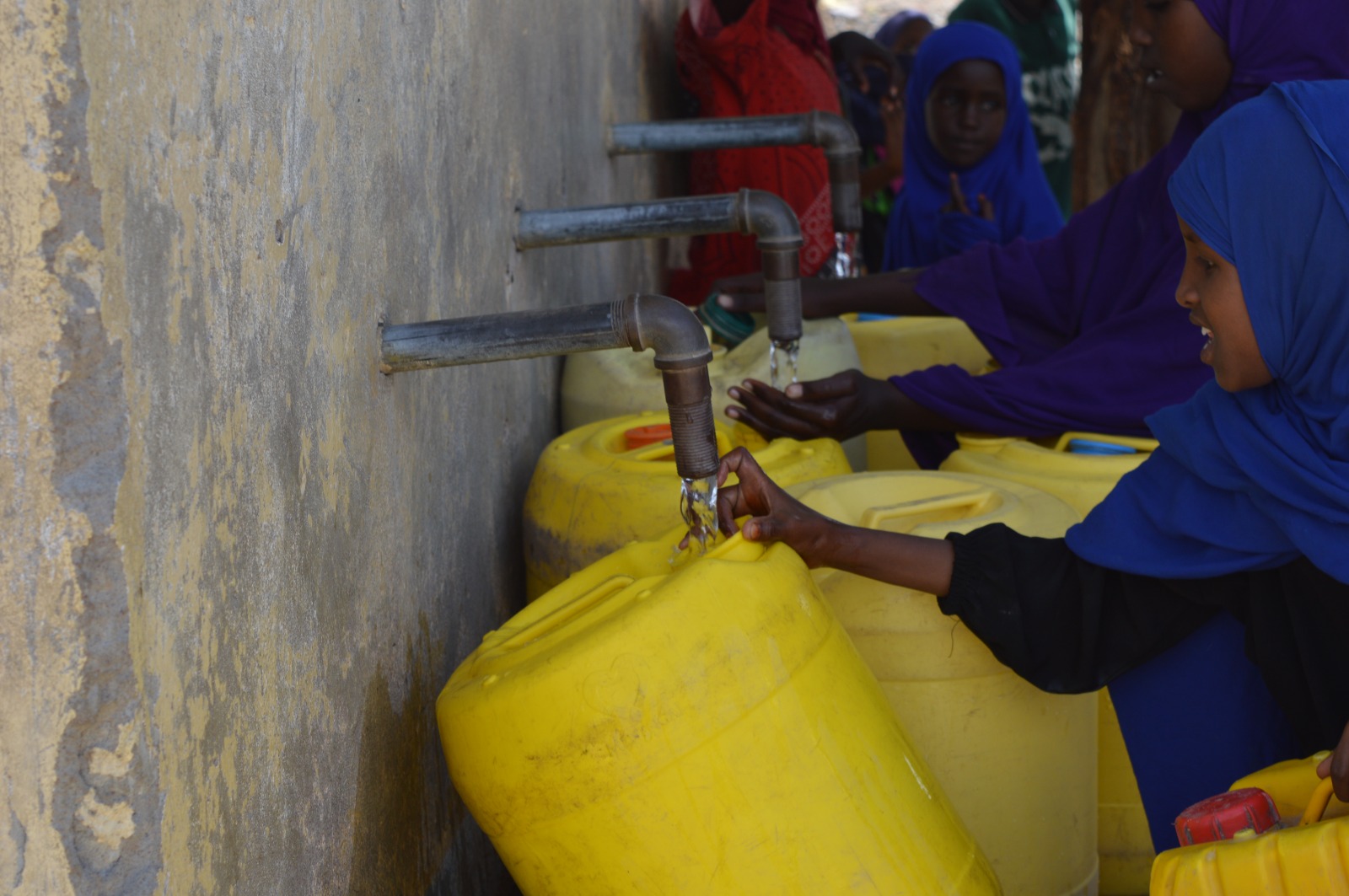
Residents of Labisigale, fetching water from a kiosk. /STEPHEN ASTARIKO
During prolonged droughts, livestock often the only source of income died first.
Now, in a shift residents describe as overdue, taps are beginning to replace those long walks.
Across four sites, Yumbis, Borehole 5 Hagadera, Labisigale, and Welher—new boreholes and water points are coming into use under the Water and Sanitation Development Project.
The project, backed by the World Bank and implemented through Kenya’s water ministry, aims to expand access to safe water in some of the country’s driest regions.
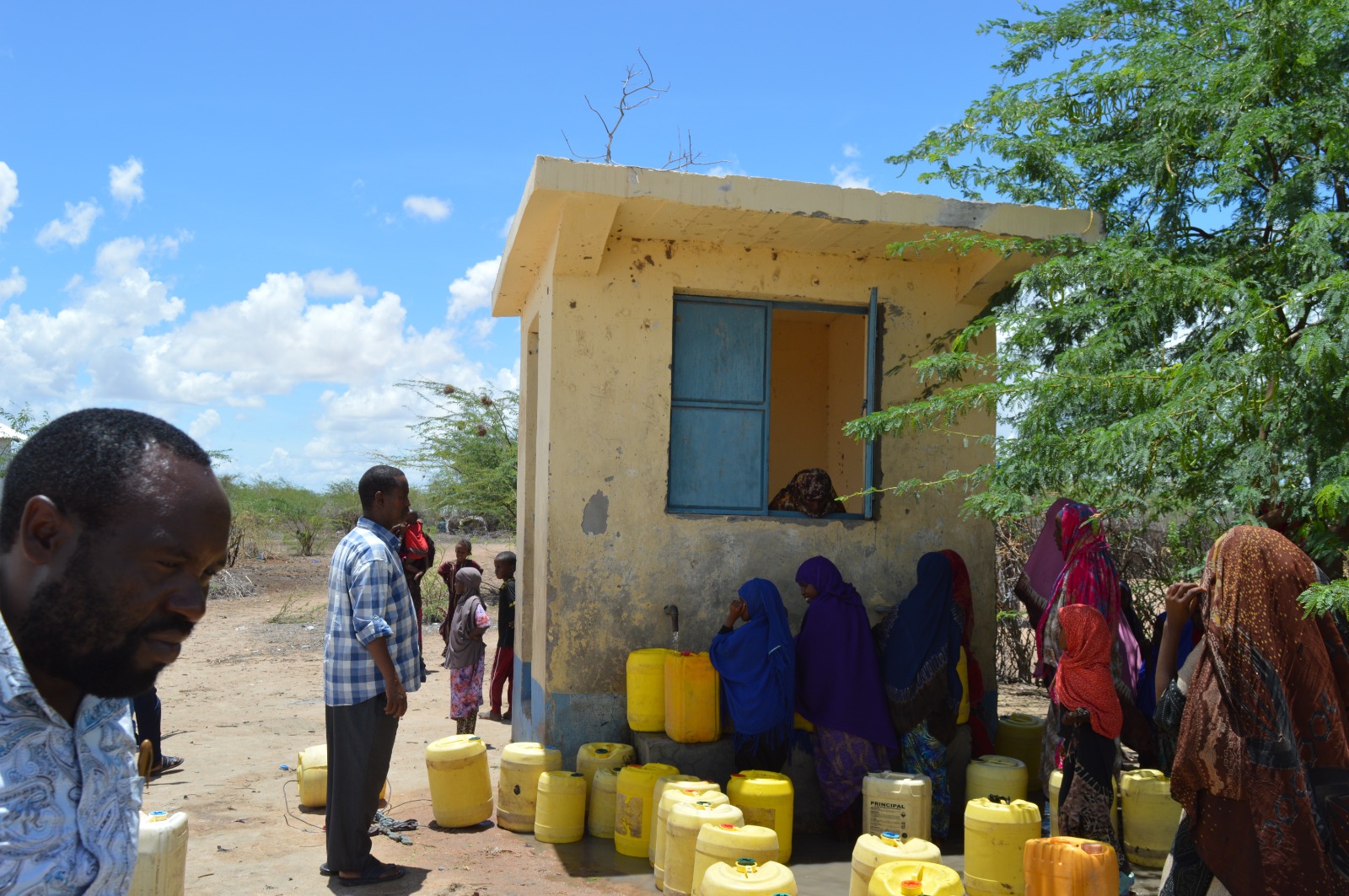
On paper, the progress is uneven. Of eight planned community water points under one contract, six are complete.
Output from the boreholes also falls short of initial projections. And while the long-term target is to reach more than 10,000 people, current verified users are far fewer.
But statistics tell only part of the story.
At a water point in Labisigale, Ahmed Hussein, a local loads a modified tuk-tuk with a tank of water—about a cubic meter.
“I am looking forward to making several trips today, selling water to households that will no longer have to walk miles but still need it delivered,” he says with a smile on his face.
It is a small, emerging economy built around something that was once scarce to the point of crisis.
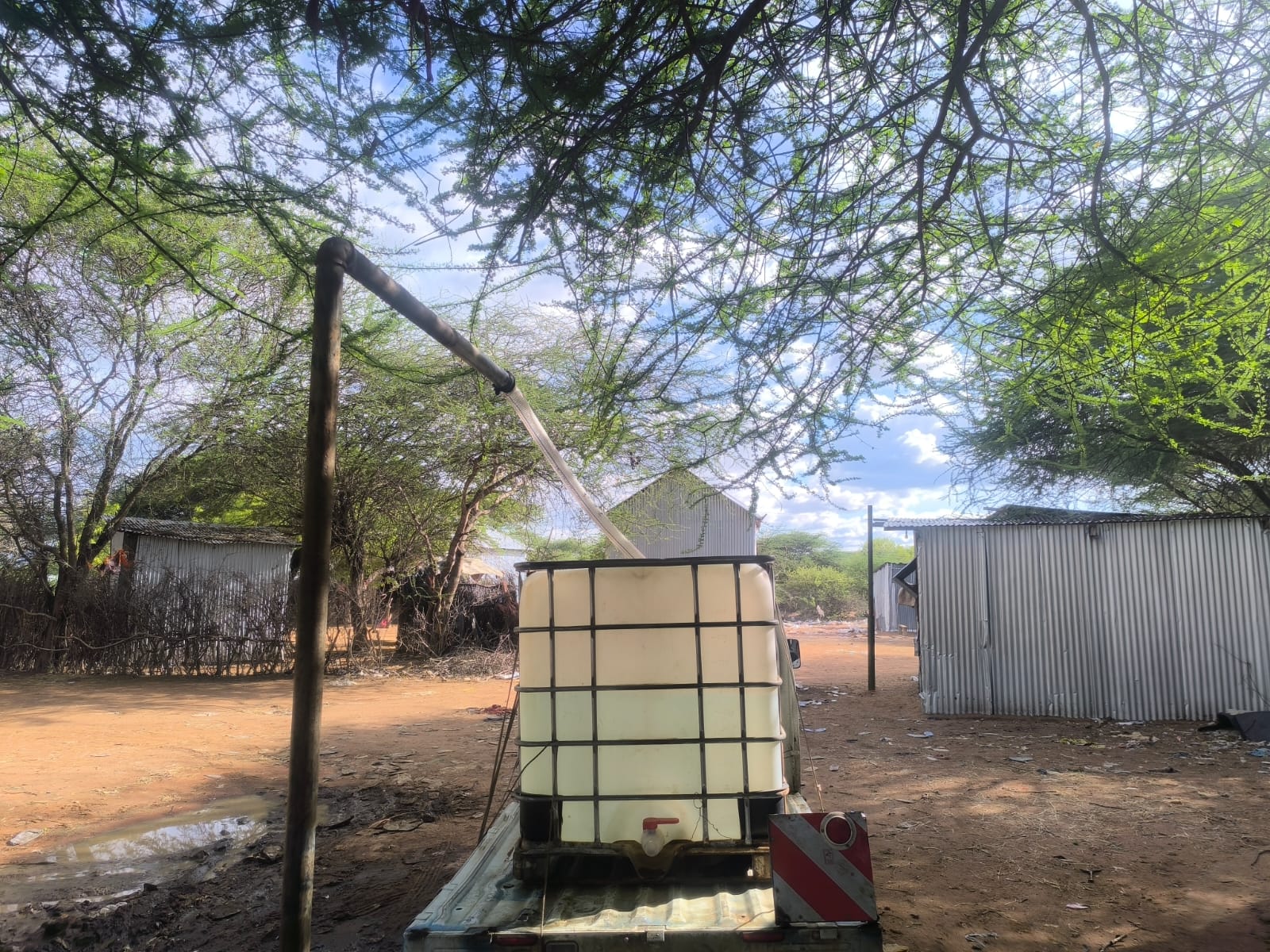
A modified truck fitted with the tank supplying water in Yumbis. /STEPHEN ASTARIKO
Elsewhere, the changes are quieter but just as significant. Children who used to spend hours fetching water now have time to attend school.
Ambia Hussein a resident of Yumbis speaks of the stress they have gone through over the years in search of water trecking for long distances in search of the precious commodity.
“Thank God we have now water near our homes. We don’t have to spend several hours trecking looking for water. It has been a real hustle for years,” she says.
The systems themselves reflect an attempt to avoid past failures.
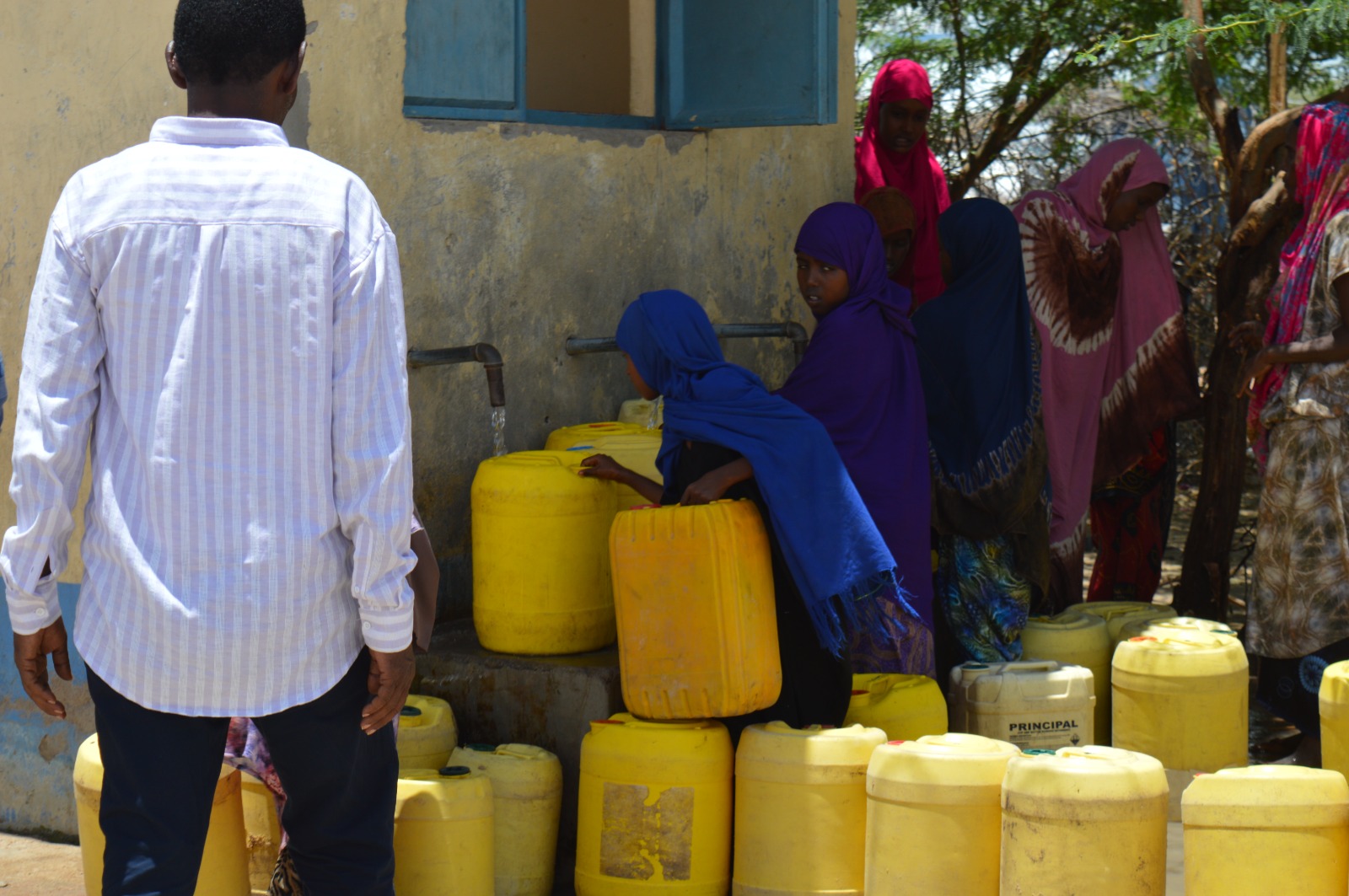
Residents of Yumbis fetching water from a kiosk. /STEPHEN ASTARIKO
The boreholes run on solar-powered pumps, designed to operate for several hours a day without relying on costly fuel. Water is split between domestic use and livestock, though adjustments have been necessary.
In Yumbis, for instance, early quality concerns led to the supply being redirected entirely for animals—a compromise that underscores the persistent challenges of delivering safe water in arid terrain.
The project, launched in 2018 and now extended to 2026, is being implemented locally by the Garissa Water and Sewerage Company Ltd.
Omar Abdullahi, GAWASCO Public relation officer in interview said beyond drilling boreholes, it includes upgrading sanitation facilities and strengthening local capacity to manage water systems.
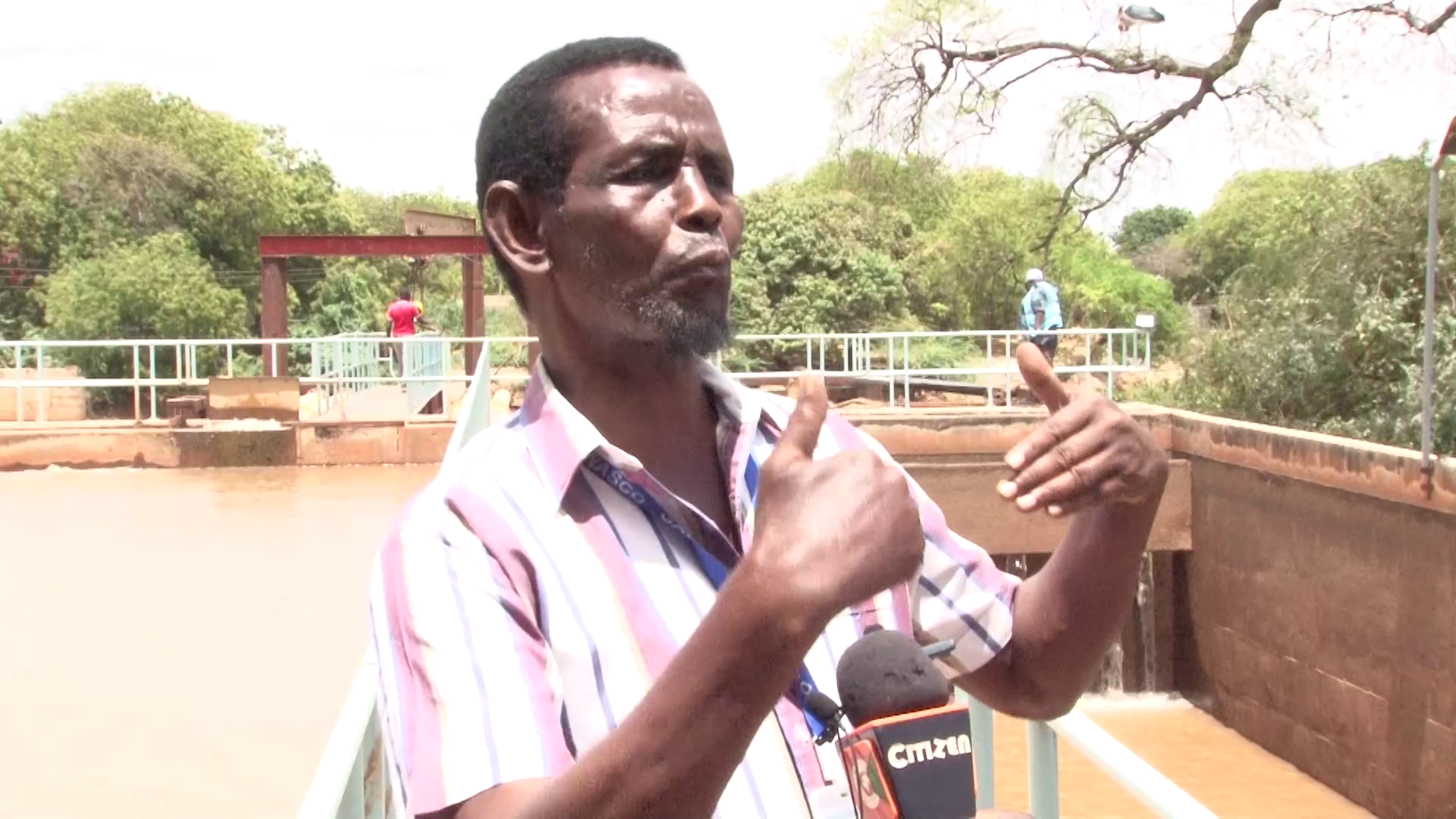
“This is an effort to ensure the infrastructure does not fall into disrepair once contractors leave,” he said.
That transition is already beginning. Some completed works have been handed over, with plans for the local water company to take over operations.
However for residents , the immediate pressure has eased for them . The distances have shortened. The queues have thinned. And while the desert has not changed, the terms of living in it are starting to.
For residents who have spent years measuring their lives in jerrycans and kilometers, that shift is difficult to quantify, but impossible to miss.
Ends……………

Comments 0
Sign in to join the conversation
Sign In Create AccountNo comments yet. Be the first to share your thoughts!