
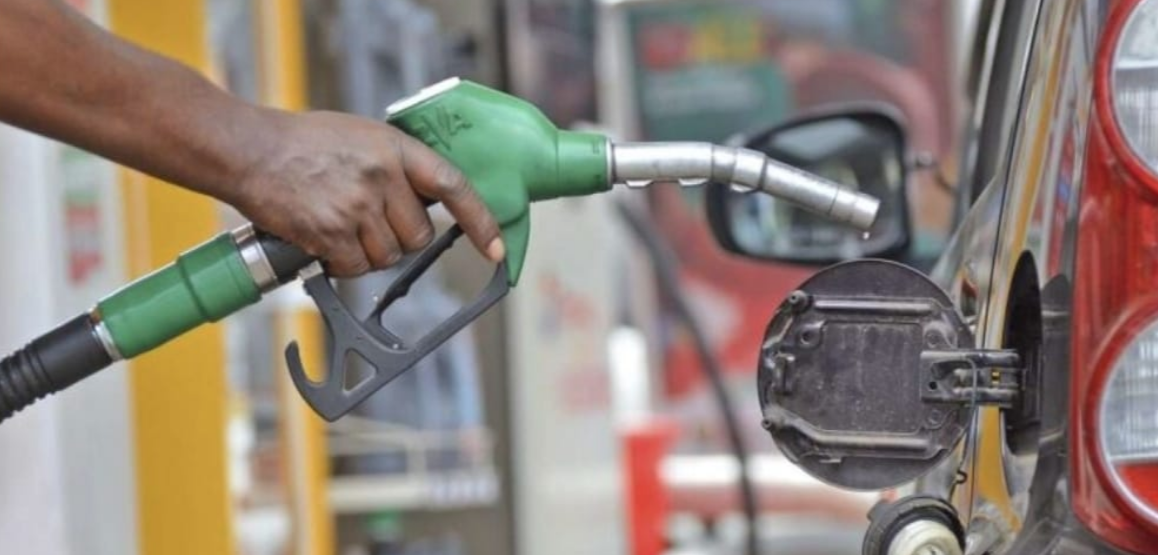
TIGHTENING refined petroleum products supply in the international markets is now catching up with Kenya, with shortages already being reported in Nairobi and expected to spread to other regions.
With the beginning of the month of May, global refined petroleum product supplies are experiencing significant tightening, particularly in jet fuel and industrial feedstocks, despite an overall abundance of crude oil.
This disruption is largely driven by intensified geopolitical tensions in the Middle East, specifically surrounding the Strait of Hormuz, which has restricted the flow of refined products and created bottlenecks in the supply chain.
The recent hijacking of an oil tanker by Somali pirates has also created fears with shipping lines remaining cautions on deploying vessels on routes with proximity to the region.
Kenya has been struggling to secure products for import, with vessel availability also proving difficult according to industry players.
This has hurt shipments into the country even as the government insists that supply remains stable.
In Nairobi, motorists were turned away at several pump stations within the city for lack of products.
“As of yesterday night, there was a problem. I moved from one petrol station to another and queues were already building but I finally managed to fuel,” said Fred Mucheru, a taxi driver in Nairobi.
Macmilan midarimo, a Boda boda rider, said: "We are charging above the normal price because we are have struggled to secure fuel. The whole of CBD, petrol stations are empty."
Independent dealers, who serve the wider parts of the country, have also been struggling secure products, blamed on failure to have a wholesale cap and product for the smaller traders.
They are forced to buy at the pump from the major Oil Marketing Companies (OMCs), who are also limiting quantities they sell to them, with some completely locking the small dealers out of the supply chain.
Independents account for up to 68 per cent of fueling points across the country, moving 40 per cent of the industry volumes.
Last month, hoarding of products by major Oil Marketing Companies in anticipation for the recent price increase was blamed for the shortage witnessed in the country during the first week of April.
“They have made it difficult for independents to get product. This means the people I am serving are forced to all rush to town to fuel at the same station, which leads to the shortages we are seeing,” Petroleum Outlets Association of Kenya (POAK) chairman, Martin Chomba, told the Star.
Yesterday, he linked the current shortage to global supply constraints.
“These are shortages occasioned by vessels delays and reduced supply volume on the docking vessels,” Chomba told the Star.
An OMC who sought anonymity yesterday told the Star the major challenge is on delayed imports which affects depot stocks and distribution to the retail market.
There are only two major consignments, one petrol delivery where the vessel was expected at the Port of Mombasa yesterday, and a diesel consignment expected in the country on May 9, as per the Kenya Ports Authority schedule which monitors ship incoming vessels for the next 14 days.
Global investment banking, securities and asset and wealth management firm – Goldman Sachs has since warned that fuel buffers are depleting fast, raising risks to aviation and industry.
This is because while overall oil inventories remain above critical levels, shortages are emerging in specific refined products.
Global commercial refined product stocks have fallen to about 45 days of demand, down from around 50 before the recent disruption, according to Goldman's estimates.
That compares with roughly 101 days of demand for total global oil stocks.
Even where crude oil is available, it cannot always be converted into usable fuel quickly enough. Refining constraints, trade disruptions, and export restrictions are creating bottlenecks, meaning surpluses in one location do not easily offset shortages elsewhere.
"Even if Hormuz flows started recovering soon, any full normalization of deliveries would take at least several weeks," the analysts wrote.
A fortnight ago, shipping agents warned of further supply chain shock over the Hormuz crisis, which has disrupted global trade and local supply chains.
This has pushed freight costs higher and threatening inflationary pressure on the Kenyan economy.
According to the Kenya Ships Agents Association (KSAA), which is affiliated to regional and global bodies, the crisis had left close to 800 vessels stranded globally by the end of April, including more than 450 oil tankers.
KSAA chief executive Elijah Mbaru said the situation remains highly volatile, with shipping schedules thrown into disarray and insurers retreating from high-risk routes.






Comments 0
Sign in to join the conversation
Sign In Create AccountNo comments yet. Be the first to share your thoughts!