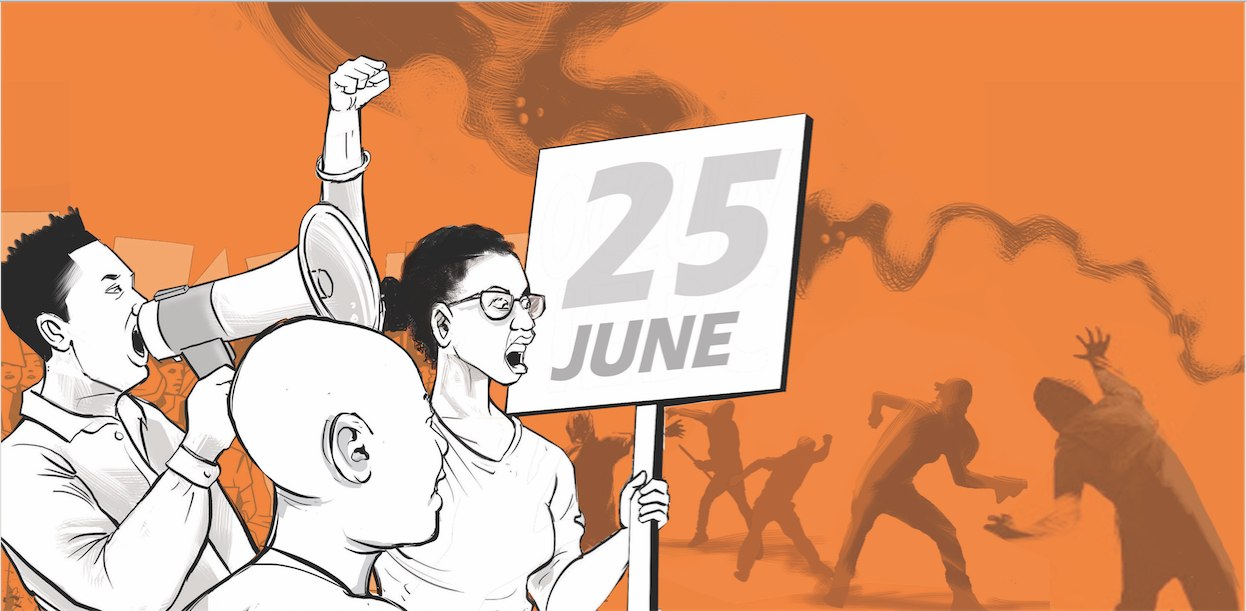
When the opposition declared June 25 a “national holiday” and called for the “mother of all demonstrations” in commemoration of the victims of the 2024 anti-Finance Bill protests, it crossed the line from legitimate civic expression into dangerous brinkmanship. No grievance, however valid or deeply felt, can justify actions that place lives, livelihoods and the rule of law at risk. That is where this conversation must begin.
Kenya’s constitution is clear on such matters. Article 37 guarantees every citizen the right to assemble, demonstrate and picket — but strictly on condition that such actions remain peaceful and unarmed. Article 24 allows the limitation of rights where public order or security is threatened. A protest framed as a showdown with the state, aimed at overwhelming institutions rather than engaging with them, stretches constitutional protection beyond recognition. Rights without responsibility are a recipe for anarchy.
Yet some might argue that the 2024 grievances justified such confrontation. The truth is otherwise. Following last year’s unrest, the government acted decisively, withdrawing the controversial Finance Bill and engaging in meaningful dialogue with the people. Tax measures that sparked public anger were reviewed and the budgetary process was opened to greater scrutiny. These were not empty gestures; they were concrete responses to genuine concerns.
Beyond the constitutional and political arguments lies an immediate practical reality: economic cost. Kenya has already felt the impact of large-scale demonstrations. Businesses close. Transport systems stall. Thousands of informal traders who depend on daily income are left stranded.
The consequences ripple outward, affecting supply chains, tourism and investor confidence. At a time when the economy is showing fragile signs of recovery — with inflation easing and the shilling stabilising — triggering another wave of disruption does not stand in solidarity with struggling citizens. It risks undermining them further.
And the economic toll is not the only price. The human cost is even more concerning. Large, emotionally charged gatherings inevitably draw a heavy police presence. Even where restraint is emphasised, dynamics can change rapidly. Confusion, panic and confrontation can escalate within moments.
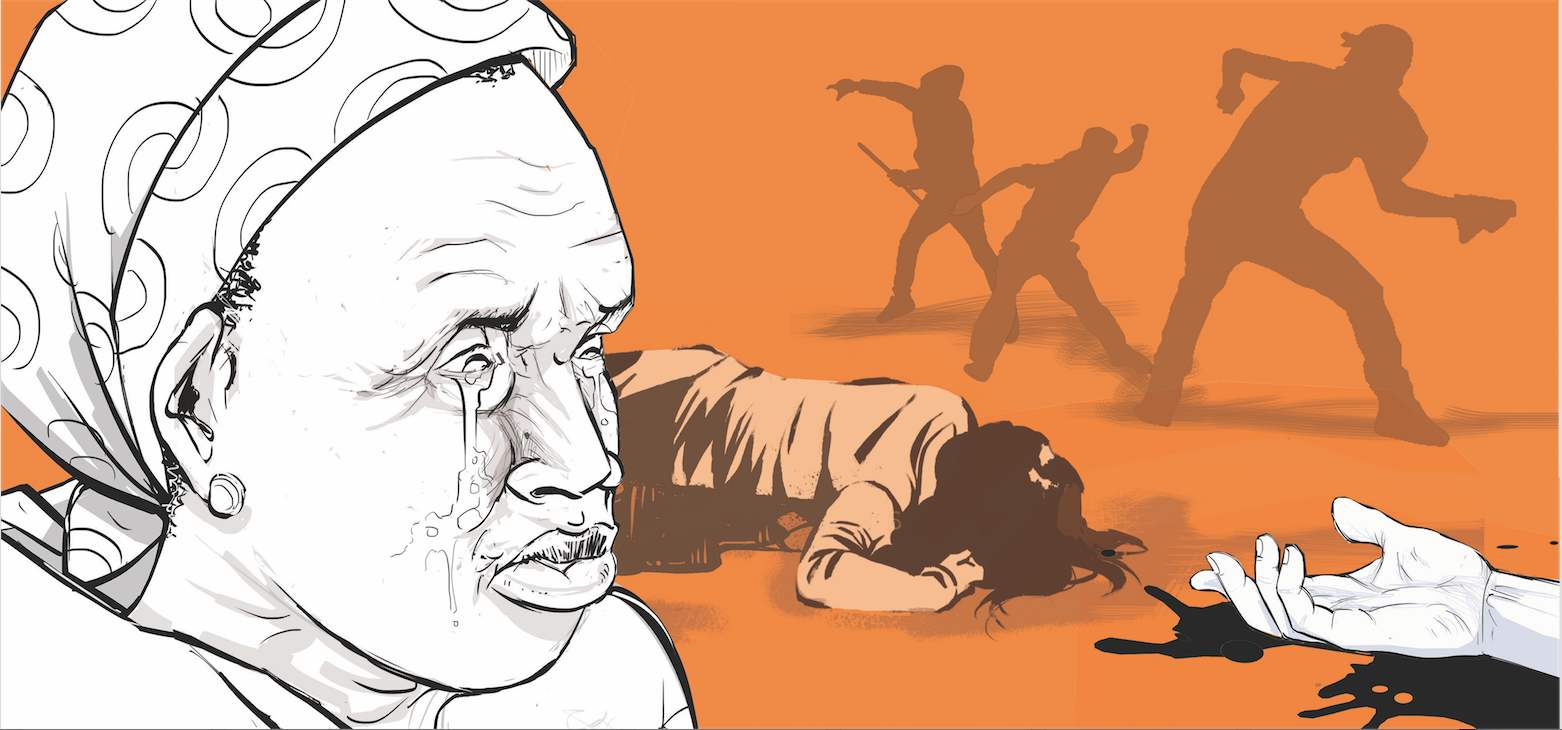
The result is often injuries, trauma and sometimes loss of life. Kenya has witnessed such outcomes before. Those memories should serve as a warning, not a script for repetition. No family should have to mourn twice for the same cause.
Compounding that risk is the recurring threat of infiltration by criminal elements. History shows that large protests can attract individuals with no interest in the cause, only in opportunities for looting and destruction. Once such elements take hold, organisers lose control of events on the ground.
Responsibility, however, does not vanish with that loss of control; it remains with those who called people into the streets. Leadership demands foresight, not just mobilisation. A true leader asks not simply how many can be rallied, but what will happen once they are there.
Given all this, what is the alternative? Importantly, the opposition is not without options. Kenya’s democratic framework offers lawful avenues to address grievances, including Parliament, the courts and structured public dialogue.
Protest is a legitimate tool, but only when exercised responsibly and within the law. Commemorating those who lost their lives is necessary — indeed, it is a mark of a compassionate society — but it should not take a form that risks recreating the same tragedy.
That is why June 25 should be a day of reflection, not confrontation. A moment to honour lives lost, assess lessons learned and recommit to peaceful civic engagement. It should not become a test of state authority or public endurance. The choice before the opposition is straightforward: channel public sentiment into lawful expression or pursue a path that risks instability and harm.
Kenya cannot afford another cycle of disruption. We have seen too many businesses boarded up, too many teargas canisters fired, too many young lives cut short. Leadership must rise above provocation and place national stability first. That is the only path to honouring the past without sacrificing the future.
Strategic adviser and expert in leadership and governance





Comments 0
Sign in to join the conversation
Sign In Create AccountNo comments yet. Be the first to share your thoughts!