Barely three decades ago, South Africa was suffocating under the iron grip of apartheid. The Afrikaner regime had refined racial domination into a brutal political system that stripped millions of their dignity, their rights and their humanity. Yet South Africa did not fight that battle alone.
When the struggle against apartheid demanded sanctuary, training, diplomatic backing and material sacrifice, the rest of Africa answered. From Lusaka to Dar es Salaam, from Harare to Accra, African states and peoples stood with the oppressed. Zambia opened its doors to exiled leaders. Tanzania hosted training camps.
Zimbabwe, Angola and Mozambique endured destabilisation and cross-border aggression. Nigeria poured resources into the liberation cause. Ethiopia and Ghana lent diplomatic support. The continent bore costs, made sacrifices and treated South Africa’s pain as Africa’s pain.
That history should have become part of South Africa’s moral foundation. Instead, what confronts the continent today is a deeply disturbing spectacle: recurring waves of xenophobic anger directed at fellow Africans. Migrants from Zimbabwe, Nigeria, Malawi, Ethiopia, Somalia, the Democratic Republic of Congo and elsewhere are blamed for unemployment, crime, poverty and urban decay.
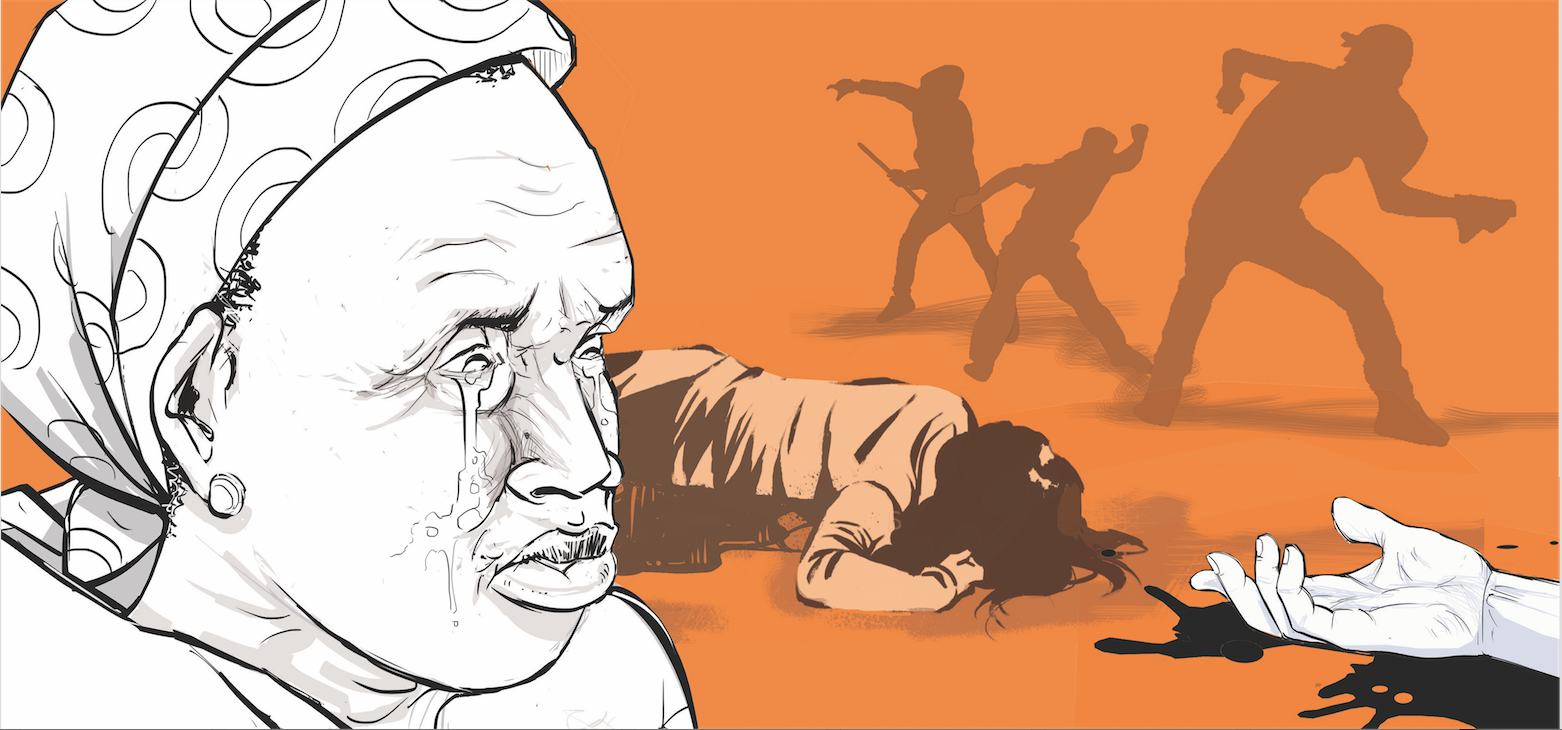
Shops are looted, workers are hunted, accents become grounds for suspicion and fellow Africans are treated not as neighbours sharing a difficult continent, but as enemies to be driven out. It is a grotesque irony. Those who once depended on continental solidarity now turn hostility against the very people whose countries stood with them in their darkest hour. This is not merely a social problem. It is a betrayal of history.
Xenophobia in South Africa is more than prejudice. It is historical amnesia dressed up as nationalism. It forgets the blood, sweat, money and diplomacy that helped dismantle apartheid. It erases the role played by the Frontline States and by the wider African continent in sustaining the anti-apartheid struggle.
It ignores the truth that South Africa’s liberation was never a purely domestic achievement. It was a continental cause. To attack fellow Africans now is therefore not simply to mistreat foreigners. It is to dishonour the memory of a shared struggle that once bound the continent together.
The tragedy is made worse by how intellectually lazy xenophobia is. South Africa’s problems are real. Unemployment is crushing. Inequality remains obscene. Crime is pervasive. Corruption has hollowed out trust. Public frustration is understandable in a country where the democratic promise has too often failed to reach the poor.
But none of these problems was created by the Zimbabwean vendor, the Ethiopian shopkeeper, the Nigerian trader or the Malawian labourer. Those are scapegoats of convenience. It is easier to target the vulnerable than to confront the real rot within: failed governance, economic exclusion, elite corruption, weak service delivery and the unfinished business of justice after apartheid.
That is why xenophobia is so politically useful to the wrong people. It redirects anger away from those who wield power and toward those with the least power to defend themselves. It gives communities an object for their frustration while leaving the structures of inequality intact. It allows political actors to flirt with anti-foreigner rhetoric instead of answering for their own failures. In this sense, xenophobia is not just morally ugly. It is a confession of political failure.
It is also a desecration of South Africa’s own best story. The country that inspired the world under Nelson Mandela was not meant to become a republic of resentment. The 'Rainbow Nation', however flawed in practice, represented a vision of coexistence, dignity and shared humanity after decades of racist barbarism.
Mandela did not suffer so that black South Africans could inherit the habits of exclusion and simply redirect them at other Africans. The liberation struggle was rooted in a larger moral imagination than that. It insisted that justice could not be tribal, nationalistic or selective. To replace apartheid’s memory with xenophobic hostility is to wound that legacy from within.
South Africans must therefore ask themselves some difficult questions. What does it mean to be African? Is African identity merely a slogan for summits and football tournaments, or does it carry real obligations of solidarity and historical memory? Can a people who were once embraced across the continent now turn around and treat fellow Africans as pollutants in their national space? Can a nation that benefited so richly from African hospitality now respond to African migration with violence and contempt?
These questions are uncomfortable, but they are necessary, because a society that forgets who stood with it risks becoming morally stranded in its moment of relative strength.
Leadership matters here. South African leaders must stop issuing tired and lukewarm condemnations only after violence erupts. They must confront xenophobia as a corrosive civic danger, not as a marginal irritant. Schools should teach liberation history honestly enough for younger generations to understand that South Africa’s freedom was helped, financed, sheltered and defended by fellow Africans.
Political actors must stop feeding anti-immigrant sentiment for short-term populist gain. Law enforcement must protect vulnerable communities firmly and impartially. Civil society, churches, universities and trade unions must recover the language of Pan-African solidarity before it is completely drowned out by fear and resentment.
South Africa owes Africa better than this. It owes the continent gratitude. It owes itself honesty. And it owes Mandela’s memory something more dignified than the ugly spectacle of African migrants being blamed for failures they did not create. Xenophobia is not just a crime against foreigners. It is a crime against memory, against solidarity and against the moral idea of Africa itself.
History is watching. Africa is watching. The world is watching. South Africa must decide whether it will honour the hand that lifted it or bite it in a fit of collective amnesia. If it chooses hatred, it will not merely betray fellow Africans. It will betray itself.
The writer comments on topical issues | [email protected]