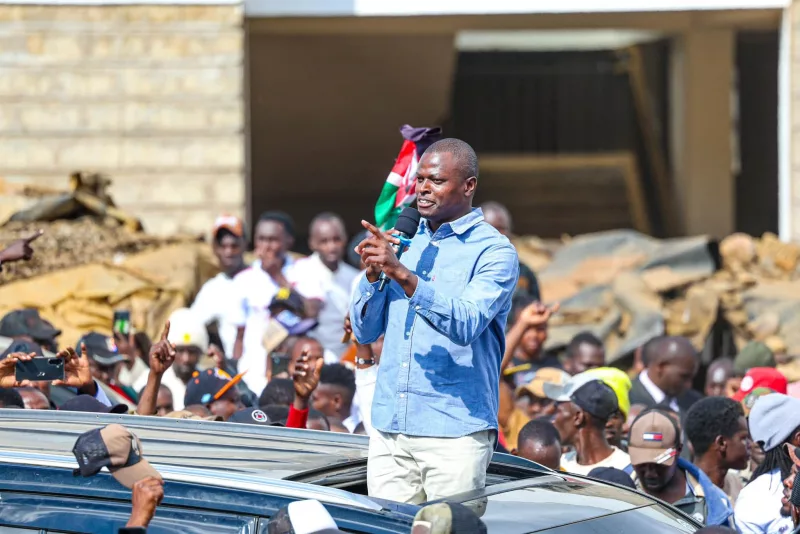
Water bills in Nairobi are set to go up if a proposed new levy is incorporated, as mulled by the Governor Jonson Sakaja administration.
Already, the Nairobi City County has initiated a consultative process with stakeholders on a proposal to incorporate a conservancy fee into the monthly water bills, as it seeks to strengthen solid waste management across the city.
According to the City County, the conservancy fee is intended to provide a sustainable financing mechanism for solid waste collection, transportation and disposal services that have long faced funding and operational challenges amid Nairobi’s rapid urban growth.
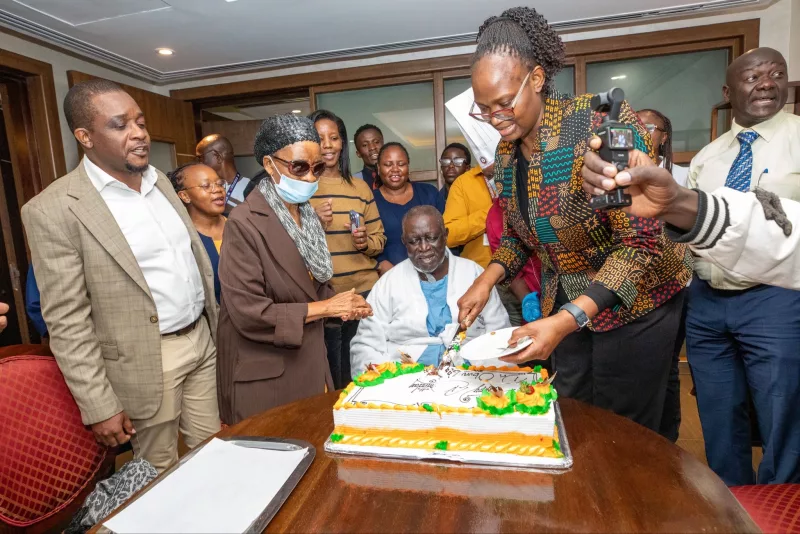
County Executive Committee Member for Green Nairobi Maureen Njeri said that the proposal seeks to leverage existing billing infrastructure to improve efficiency and ensure consistent funding for waste services.
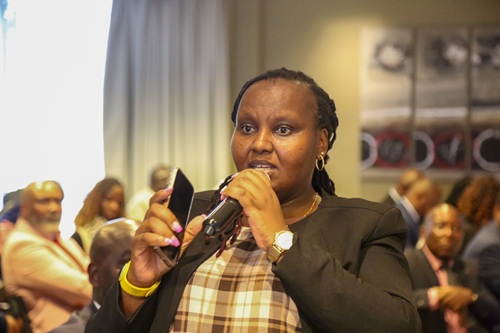
“While financing is critical, addressing the issue will also require a coordinated action between government agencies and residents,” Njeri said last Friday during a public hearing.
She explained that with 3,600 tons of waste produced in Nairobi per day, only 45-55% of the waste is collected and the rest is illegally dumped, which eventually finds its way into rivers, roads and informal settlements, leading to disease outbreaks due to sanitation degradation, blocked drains, flooding, urban heat and property devaluation.
“Currently, the County has a budget deficit of 5 billion. The current funding model is unrealistic and insufficient, hence the need for a dedicated fund to create a ring-fenced revenue stream that is predictable and scalable instead of relying on the County exchequer, the reason why the County proposes a conservancy fee,” Njeri added.
To solve the issue of garbage collection, she mentioned that the county endeavours to move from a linear to a circular economy, a move that is expected to create revenue generation and job creation, among other benefits.
“With the conservancy fee in place, the County will be able to guarantee daily collection of waste, cleaner and higher standards of sanitation in the neighbourhoods, cleaner and clear drainages and reduced pollution and bad odours from the neighbourhoods.”
Sakaja’s administration says Nairobi City Water and Sewerage Company’s (NCWSC) role would be administrative, mainly collecting and remitting the fee to the County Government to support solid waste management services.
“Water and sewerage services are an integral part of the Nairobi City County government, and it has been seen as feasible to apply for the proposed conservancy fee for the water bill. The County, together with the Water Services Regulatory Board (WASREB), has proposed adding the fee to the water bill in order to fund solid waste management. Our role at Nairobi Water will be purely administrative. We will collect and remit the funds to the County Government,” NCWSC Managing Director Martin Nang’ole says.
According to NWSC Chairman of the Board Arnold Karanja, the engagement was part of public participation to explain the rationale behind the proposal and to listen to the residents’ views and suggestions. He added that similar models had worked in the past.
“We want to leverage the infrastructure that Nairobi City Water and Sewerage Company has for the purposes of making Nairobi Clean. This intervention is applied world over where levies or similar fees are introduced through key revenue streams, which vary in different countries globally. Chief Officer for Water and Sanitation Oscar Omoke added.
Chief Officer in charge of Environment Hibrahim Otieno indicated that in search for a quick solution and through the recently signed cooperation and collaboration agreement between the Capital City County and the National government, the County has contracted a private contractor who will ensure end-to-end services in solid waste management and that Nairobians should prepare to witness great improvements in the city in terms of solid waste management.
“It is important for all of us to understand that this system we are proposing is very critical and the only way we will be able to raise the deficit that we experience in terms of solid waste management, Otieno added.