Importers and exporters in the country now want the new directive on mandatory screening of all cargo for nuclear and radioactive materials pushed to July.
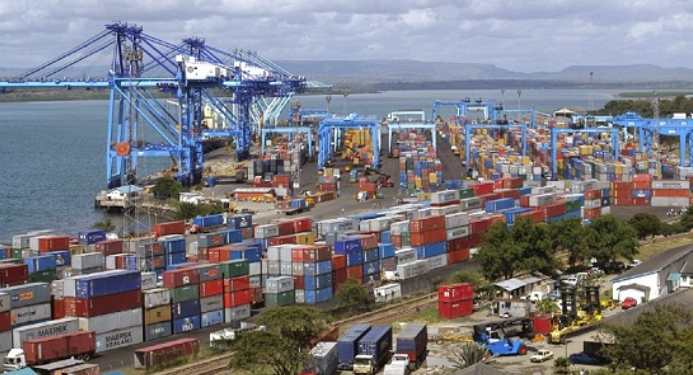
They have cited short-notice even as they question the Kenya Nuclear Regulatory Authority (KNRA)’s capacity to screen containers specifically at the Port of Mombasa, whose current annual throughput is at 2.2 million containers, 4.5 metric million tonnes, and growing.
Traders are also concerned that government agencies are coming up with numerous charges, albeit duplicating roles and fees, which are adding to the cost of trade, making Mombasa uncompetitive and potentially leading to the loss of business to Dar es Salaam.
In a notice to importers, exporters and licensed cargo agents that went public on April 20, KNRA said all cargo entering or exiting the county’s ports of entry must undergo specialised screening, effective May 1.
This is to detect and prevent illicit trafficking of special nuclear and other radioactive materials.
Containerised cargo must pass through monitors stationed as strategic points, such as the Mombasa Port and Inland Container Depots.
“These monitors provide non-intrusive, high-sensitivity detection of gamma and neutron radiation. A valid KNRA import licence must accompany all legitimate radioactive sources,” the authority said.
The Shippers Council of Eastern Africa (SCEA), which represents the interests of importers, exporters and other stakeholders in the logistics and shipping sector, has however called for a deferment to address several concerns.
In a letter to KNRA director general James Keter, seen by the Star, SCEA says members have raised several concerns, among them being the implementation start date of May 1, which is less than 12 days from public notice.
This, it says is less that 30 days which would allow adequate preparation.There are also concerns over payment procedures and details to allow compliance.
It is not clear how much is to be paid per container, whether payment will be made at the import declaration (IDF) level or during clearance, and on which platform.
The notice also calls for importers, agents, truck drivers to follow designated traffic flows–provided directions to scan(monitoring) points despite port currently struggling with limited capacity and increased port throughput.
“What capacity has KNRA developed to ensure successful implementation without undue delays,” SCEA chief executive, Agayo Ogambi, has questioned.
Traders also want clarity on transit cargo, which accounts for about 30 per cent of the port throughput, where it is not clear if these cargoes are exempted or not.
Another concern is handling of reefers and exports where KPA, shipping lines and other agencies have explicit and defined operational procedures and timelines for handling exports and especially perishables.
“KNRA need to detail how the directive dovetails to existing procedures and assure exporters of seamless operations,” Ogambi says, including other cargoes.
The KPA tariff provides for five free days at the Mombasa Port and unless appropriate implementation is undertaken, shippers will incur increased delays and storage, SCEA says.
It proposes the implementation start date be deferred to until July 31, 2026 to address the concerns and any envisaged implementation challenges.
A risk-based approach should also be considered, according to Ogambi.
“It is practically not possible to scan all port imports and exports. It is not very explicit how and where the risks of radioactive contamination was identified and what the magnitude is to justify 100 per cent scanning or monitoring,”Ogambi has questioned.
Shippers also want exports and transit goods exempted from the directive and KNRA to partner with similar agencies outside Kenya to ensure imports are compliant prior to being shipped to Kenya.
Since KPA already has an existing infrastructure within the Port to detect radioactive materials, KNRA in collaboration with KPA should enhance the infrastructure without adding costs to the business community, traders say.
Sources familiar with the process have indicated that the process would cost Sh1,000 per container.
This means if all containers at the Port of Mombasa alone were to pass through the process, KNRA would make in excess of Sh2.2 billion.
Traders have been concerns over the unpredictability of state agencies at the port which have been introducing charges “at will”.
The business community has been concerned over the number of government agencies targeting imports at the ports.
This has raised the question whether the move is fuelled by the need by individual agencies to bridge financial gaps following the reduction of budgetary allocation from the exchequer.
There are about 38 state agencies with oversight at ports of entry, each charging a fee for services and oversight.
“Establishing a pool government service fee of say Sh3,000 per container to support NEMA, KEPHIS, AFA, KEBs, NUCLEAR Authority, and all other agencies, for example, could be considered,” said Ogambi.